
Garage Door Opener Repair Troubleshooting Guide for Homeowners
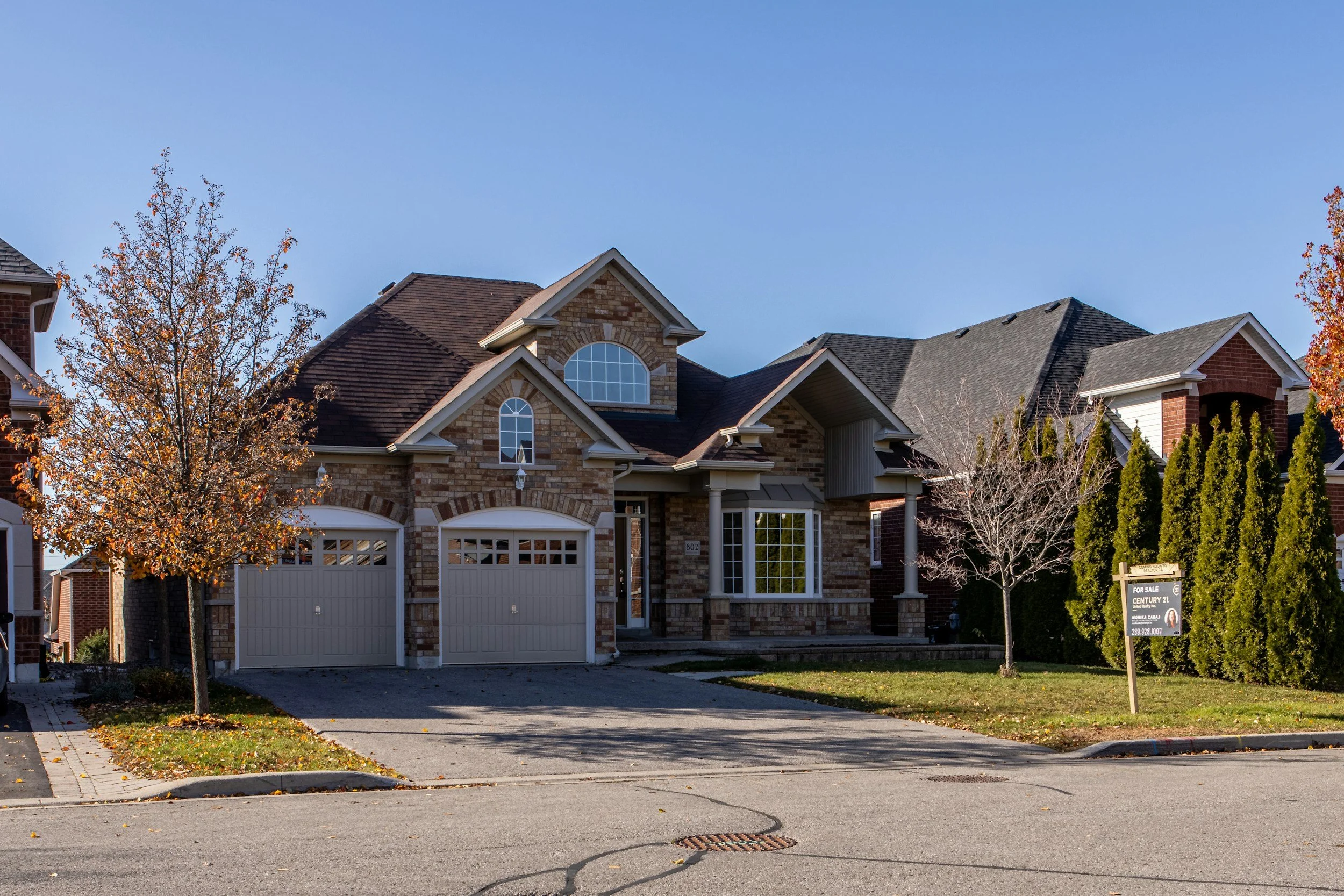
A properly working garage door opener provides safety, convenience, and security. When it malfunctions, it can disrupt daily routines and pose safety risks. Understanding basic troubleshooting steps helps homeowners identify issues early and handle simple fixes before they become serious problems.
Common Reasons a Garage Door Opener Stops Working
Several factors can cause a garage door opener to malfunction. These range from power supply issues to sensor misalignment or worn-out components. Recognizing the symptoms can help narrow down the cause and determine whether a professional service is required.
● Power interruptions or tripped circuit breakers
● Remote control battery failure
● Misaligned or dirty safety sensors
● Damaged opener chain or belt
● Motor wear or internal gear failure
Basic Troubleshooting Steps
Before calling for garage door opener repair, homeowners can perform a few checks to rule out simple issues. These steps often restore functionality quickly and safely.
Check Power Supply and Remote Controls
Ensure the opener is plugged in and the outlet works. Test another device in the same outlet to confirm power. Replace remote control batteries and reprogram remotes if necessary, following the manufacturer’s instructions.
Inspect the Door Sensors
Modern systems use safety sensors near the floor on both sides of the door. If the door won’t close completely, inspect the sensors for dirt, debris, or misalignment. Clean the lenses and make sure both indicator lights are steady and not flickering.
Examine the Door Track and Rollers
Obstructions or bent tracks can prevent smooth movement. Remove any visible debris and ensure the rollers move freely. Do not attempt major track adjustments without proper tools and knowledge, as this can affect door balance.
Listen for Unusual Sounds
Grinding, squeaking, or rattling noises often indicate mechanical wear. Lubricate moving parts with a silicone-based product, avoiding excess oil near the motor housing. Persistent noise may signal the need for professional attention.
When to Seek Professional Help
While basic maintenance and troubleshooting can solve many issues, some signs require expert inspection. For example, if the motor hums but the door doesn’t move, or if the opener reverses immediately after closing, internal parts may need replacement.
Professionals can diagnose electrical faults, replace worn gears, and recalibrate safety systems. They also ensure all components meet safety standards for reliable operation. Regular servicing can extend the lifespan of the opener and reduce future repair costs.
Preventive Maintenance Tips
Routine care helps prevent sudden failures and keeps the system working efficiently. Homeowners should inspect and maintain the opener at least twice a year, ideally before extreme weather seasons.
● Tighten loose bolts and brackets
● Lubricate chains, rollers, and hinges
● Test the auto-reverse safety function regularly
● Keep remote controls and wall switches clean and dry
● Replace worn-out parts promptly
Choosing Reliable Repair Services
When professional assistance is needed, selecting a qualified technician is important for both safety and long-term performance. Look for certified specialists with experience in various opener models and components. Reliable service providers use quality replacement parts and follow safety protocols for each repair.
For additional guidance on opener installation and troubleshooting methods, homeowners can refer to https://capitalgaragedoorottawa.com/garage-door-openers-installation-ottawa/. This resource offers detailed information on maintaining systems to ensure consistent and secure garage door operation.
Related:
