
Healthy Ways To Decompress After a Stressful Day
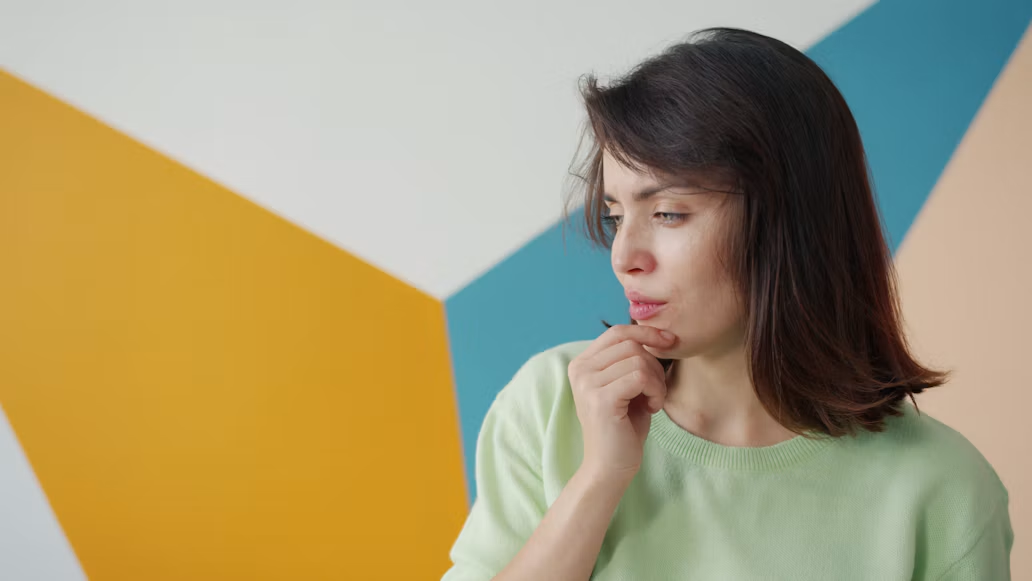
Had one of those days?
The kind that makes your inbox explode, your boss asks for everything "by yesterday" and your shoulders end up somewhere near your ears. Sound familiar? You're not alone. Stress has become a part of everyday life for millions. But how you deal with it outside of work is critical.
Here's the problem:
Most people unwind incorrectly. They binge on social media, have another drink or flop down on the couch and hope it goes away.
It doesn't. It just piles up.
Learn the healthiest ways to unwind after a long day with this easy guide. Habits that work.
Inside this guide:
Why Your Brain Needs An "Off Switch"
Lean On Your Pet
5x Healthy Ways To Decompress
Know When It's More Than A Bad Day
Why Your Brain Needs An "Off Switch"
Stress is not just a feeling. It's a full body reaction.
When something stressful happens, your body releases stress hormones like cortisol. That's good if you're running away from a tiger. Not so good when your "threat" is a meeting at 4pm.
Here's why so many people can relate to this statement. Gallup reports that 50% of US employees experienced stress "a lot of the day" yesterday.
That's half the workforce!
When you never turn off that stress builds up from day to day. Eventually it can cause:
Poor sleep
Headaches and tension
Low mood and burnout
The fix? Give your brain a clear signal that the work day is over.
Lean On Your Pet
Pets are the most underrated stress busters out there.
According to a large international survey conducted by Mars and Calm, 58% of pet owners would choose to spend time with their pet over anyone else if they were feeling stressed. Even more than their partner, family or friends!
Why? Because pets don't judge you. They don't care if you're behind on deadlines. All they ask for is a walk, a belly rub and some of your time.
Which is exactly what you need too.
But here's something most people don't think about...
Daily stress became codependent on substances like alcohol or drugs for some. Finding it hard to leave their dog or cat behind kept many others from seeking help. Pet-inclusive rehabilitation centers allow folks to bring their pets into treatment with them. Facilities like Changing Tides understand the importance of having your stress reliever by your side during recovery.
Pretty cool, right?
5 Healthy Ways To Decompress After A Stressful Day
OK on to the goodies. You don't have to attempt all of these. Choose 2 or 3 that appeal to you and make them habits.
It really is that simple.
1. Get Moving (Even A Little)
Exercise is one of the fastest ways to burn off stress.
No, you don't have to spend 2 hours in the gym. A 20 minute stroll around your neighbourhood can boost your mood and clear your head. Exercise helps your body burn off those stress hormones and release feel-good chemicals too.
Try any of these:
A brisk walk after dinner
A short yoga flow
Dancing around the kitchen (seriously)
A bike ride
Bonus: if you have a dog, take them along. That's two wins in one.
2. Build A Wind-Down Routine
Your brain loves patterns.
If you always do the same couple things every night, your body starts to recognize that it's time to wind down. Create a "closing time" routine for your brain.
A simple routine could look like this:
Change out of your work clothes
Make a cup of herbal tea
Write down tomorrow's to-do list
Put your phone on silent
That to-do list is daunting. Writing tomorrow's tasks down helps prevent you from mentally reviewing them at 2am.
3. Breathe Like You Mean It
Here's a trick that takes less than 2 minutes...
Box breathing. Navy SEALs practice it to keep calm under stress. It can help you too after a stressful day at work.
Here's how it works:
Breathe in for 4 seconds
Hold for 4 seconds
Breathe out for 4 seconds
Hold for 4 seconds
Repeat 4x or 5x. Deep breathing is a signal to your nervous system that you are safe. Your heart rate decreases and your muscles begin to calm.
Simple, free and you can do it anywhere.
4. Talk It Out
Bottling things up never helps.
According to the APA's most recent Stress in America survey, 69% of adults said they did not receive enough emotional support over the past year. That's a lot of stressed out people.
Text your BFF. Have a conversation with your significant other at dinner. Or sign up for a club or organization in your area to meet new people.
You don't have to solve anything. Sometimes just verbalizing it out loud can make an issue seem half its size.
5. Unplug From Screens
This is going to sound obvious... But it's the one most people ignore.
Scrolling makes you feel relaxed. It doesn’t. Constant notifications, bad news and hours-long videos keep your mind in “on” mode when it wants to chill. Screen time ruins your sleep with blue light, too.
Set a screen deadline of at least one hour before bedtime. Trade your phone in for:
A good book
A warm bath
Some light stretching
A podcast with your eyes closed (no peeking!)
Your sleep will thank you.
Know When It's More Than A Bad Day
Healthy habits go a long way. But they can't fix everything.
If your stress is chronic (lasts for weeks), causes you to lose sleep at night or lean on unhealthy coping mechanisms, it's time to talk to your doctor or a mental health professional. Don't be embarrassed. Seeking help sooner rather than later is one of the wisest decisions you'll ever make.
Watch out for signs like:
Feeling on edge most of the time
Needing a drink to "take the edge off" every night
Pulling away from friends and family
Losing interest in things you used to enjoy
Spot any of these? Reach out sooner rather than later.
And remember... Seeking help doesn't make you weak. It means you want to feel better. The sooner you seek help, the easier your recovery can be.
Putting It All Together
Stress is part of life. Letting it pile up doesn't have to be.
To quickly recap:
Spend time with your pet
Move your body
Build an evening routine
Breathe slowly
Talk to someone
Put your phone down
None of these require any money (or very little) and you can start implementing them tonight. Choose one, give it a week and judge how you feel.
Then add another.
Small steps. Big difference.
