
Home Repair Priorities Following Storm Damage
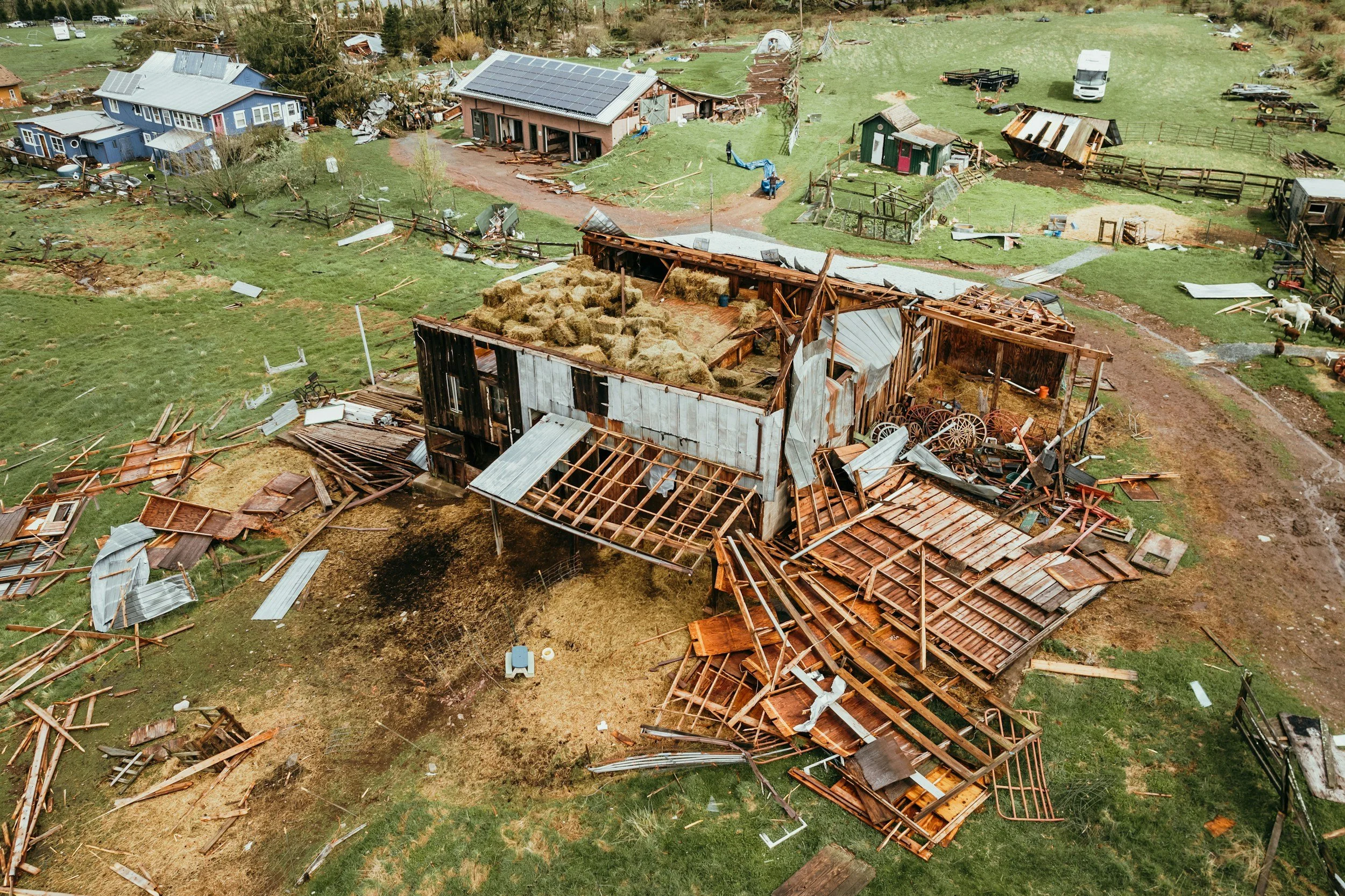
Severe storms cause serious confusion for property owners. When high winds and heavy rains batter your home, figuring out your next steps feels completely overwhelming.
You might see missing shingles, broken windows, or structural damage all at the same time. Creating a clear plan helps you tackle the most critical fixes first to protect your investment.
Assessing Immediate Safety Hazards
Step 1 involves checking for immediate dangers before touching anything. Fallen power lines, gas leaks, and sagging ceilings represent major risks after a major weather event. You must clear these hazards with professional utility workers before you start structural work.
Stepping into standing water can be incredibly hazardous if electrical lines are down. Walking around your yard requires extreme caution until local crews declare the zone safe. Clear paths first so emergency workers can reach your property if needed.
Check the exterior walls for bowing or deep cracks before stepping inside. Structural shifts can make entering the property dangerous for your family. Wait for an official inspector if you notice shifting frames.
Securing The Roof Structure
The top defense of your home takes the worst beating during a storm. Wind rips away materials and leaves your interior completely exposed to weather elements.
Fixing these problems quickly keeps water from ruining your ceilings and drywall. Property owners often struggle with these choices, but you can find out more about why timely repairs are important by looking at what professional roofers explain during seasonal inspections. Taking action fast stops a small leak from turning into a massive mold issue.
Tarping open areas gives you a temporary shield against future rain. Call a local team to nail down heavy coverings securely so the next gust of wind does not blow them away.
Addressing Water Infiltration Fast
Water moves quickly through holes and cracks once the external shell fails. Drying out the space protects your remaining possessions from permanent ruin.
Using heavy-duty fans and dehumidifiers pulls water out of timber framing. You should remove soaked materials immediately to maintain healthy indoor spaces:
Wet insulation needs extraction from wall cavities.
Damaged drywall requires cutting away at least 12 inches above the waterline.
Saturated carpets must be pulled up to save the subfloor.
Mold grows within 24 to 48 hours in dark, wet conditions. Running ventilation equipment non-stop helps lower humidity levels inside the house. Keep windows open if the outdoor air is dry.
Managing Structural Repairs First
A sturdy frame keeps the entire house standing safely over time. Windows and doors must close tightly to maintain structural integrity against future weather.
A state government advisory page explains that you should prioritize structural and weatherproofing needs to prevent further damage during recovery. Following this rule protects your interior from later rain cycles.
Fixing a cracked foundation or a compromised load-bearing wall must happen prior to cosmetic updates. Spending money on beautiful paint makes little sense if the walls underneath remain unstable. Always hire licensed contractors to handle beam reinforcements.
Navigating Government Disaster Relief
Financing these emergency projects creates major stress for many families. Repair bills can quickly climb past $10000 after high winds hit.
An official legislative update explained that FEMA can provide money to eligible applicants for help with serious needs, paying for a temporary place to live, home repairs, and other needs not covered by insurance. Registering with these agencies provides a financial safety net.
Keep every single receipt for tarps, nails, and professional labor to speed up your application processing. Take clear photographs of all destruction before making any temporary adjustments. These records prove your losses to adjusters and government clerks.
Reconstruction Support
Complete recovery often stretches out for months following a massive natural disaster. Neighborhoods take time to rebuild their shared infrastructure and private homes.
A regional housing agency report indicated that the ReCoverCA program is part of California's ongoing effort to support long-term recovery in communities affected by recent disasters. These types of grants assist regular homeowners with permanent rebuilding efforts.
Staying informed about state-level programs gives you access to extra funding for deep structural stabilization. Local community centers often host informational meetings regarding these grants. Checking eligibility requirements early helps you secure your spot in line.
Selecting Qualified Local Contractors
Scams proliferate after major storms hit a town. Out-of-state workers arrive promising quick fixes for low prices, but they often disappear with your deposit.
Verifying licenses and insurance protects your budget from fraud - this step prevents major headaches later.
Demand written contracts detailing the scope of work and exact timelines before handing over funds. Trusted local businesses offer real warranties that protect your home over the long term.
Rebuilding your property after a severe storm takes patience and steady effort. Following an organized checklist keeps you safe and saves money.
Focus on sealing the exterior shell and securing financial help before scheduling interior decorations. Your home will stand strong against the next storm with the right priorities.
