
How to Prepare for Your First Hunting Trip
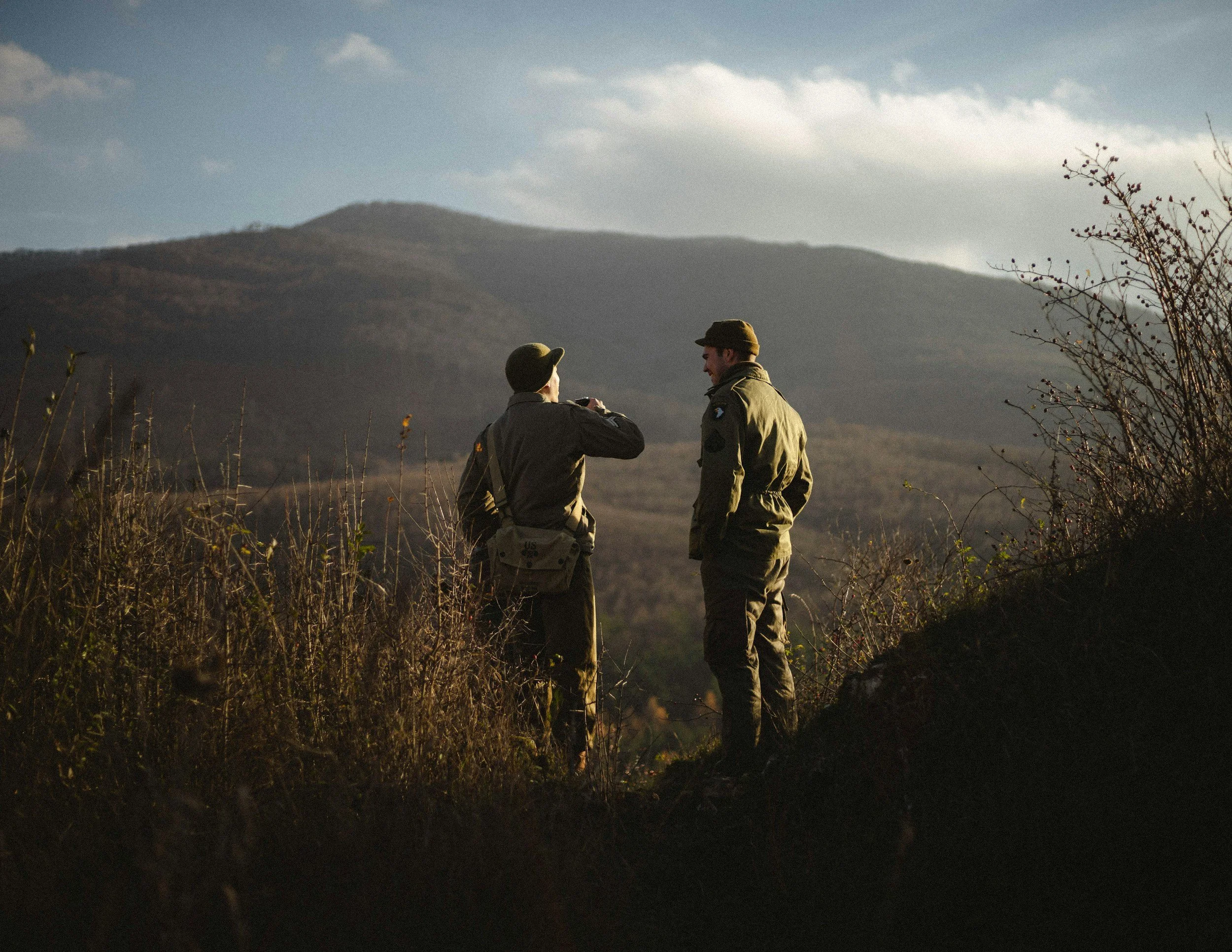
Stepping into the woods for your very first hunt brings a mix of excitement and nerves. Success in the field is rarely a matter of luck: it demands hours of planning long before you ever load a rifle. Getting ready correctly helps you stay safe and comfortable during your time outdoors. Nature offers incredible rewards for those who respect its unpredictability.
Get Your Gear Choices Right
Dressing for the unpredictable outdoors means layering your clothing correctly. Staying warm is a challenge when your clothes hold sweat against your skin. Thermal or moisture-wicking base layers can regulate your body temperature and keep you dry.
Avoid materials like cotton that trap moisture. Heavy jackets can protect against wind, but layers keep you comfortable when temperatures change. Selecting proper footwear keeps your feet protected during long walks across rough ground. Wear new boots a few weeks before the trip to prevent blisters. Protecting your eyes is just as important as protecting your feet. Clear vision is necessary when you are scanning the brush for movement or aiming in low light. Many people do not think about how wind and dust can affect their eyes during a long day outdoors. Specialized prescription eyewear for hunters helps keep your eyes safe from debris while correcting your vision. This gear allows you to see your target clearly without worrying about fogging or glare.
Your choice of weapon and ammo are another essential consideration when planning a successful wilderness outing. Experienced hunters are often packing 50 BMG cases that ensure their ammunition stays secure and protected from harsh environmental elements. Investing in durable transport options prevents damage to critical gear while traveling through rugged terrain. Preparing high-grade supplies in advance allows outdoor enthusiasts to focus entirely on their performance in the field.
Leverage Mobile Technology and Hunting Apps
Mapping tools give you an advantage when navigating unfamiliar territory. If you want to study game boundaries and terrain maps before leaving home, take a look at hunting apps to simplify your scouting process. Digital maps work offline to keep you oriented even when cell service drops completely.
Satellites deliver clear views of water sources, ridges, and dense cover where animals bed down. Studying these features on a smartphone screen helps you identify prime spots without walking miles of trail. You can mark specific coordinates to share with your group for improved safety.
Build Strength Before The Hike
Walking miles through thick brush or up steep hills strains your body in new ways. Carrying a heavy pack adds to the physical challenge of the environment. Backcountry hunters shouldn't skimp on core strength.
Developing your leg strength and endurance helps you manage long treks. Spend at least 4 weeks before your trip walking with a weighted backpack. Physical fitness decreases your risk of injury when navigating uneven rocks. Regular exercise makes carrying heavy harvests much easier at the end of the day.
Practice Marksmanship And Safety
Spending time at the shooting range builds the confidence required for a clean shot. You must understand your firearm inside and out before stepping into the field. Knowing your personal effective shooting range prevents unethical shots at live game. Practice shooting from various positions and prioritize key safety rules during every practice session to build good habits:
Always point the muzzle in a safe direction
Keep your finger off the trigger until you are ready to shoot
Identify your target and what lies beyond it clearly
Regular practice sessions turn safety habits into natural reactions. Safe gun handling protects you and your hunting partners throughout the trip. Reviewing firearm safety rules daily keeps them fresh in your mind.
Know State Hunting Regulations
Every state establishes strict guidelines regarding hunting seasons and bag limits. Violating these rules results in heavy fines that can easily cost $500 or more. Secure your permits months in advance to avoid last-minute complications.
Review the legal shooting hours for your specific game species. Some regions require hunters to wear a minimum amount of blaze orange clothing for visibility. Carrying physical copies of your tags keeps you compliant during field checks. Wildlife officers regularly patrol hunting grounds to verify licenses.
Pack The Right Wilderness Survival Supplies
Safety in the remote woods depends on carrying the right emergency tools. A small first aid kit helps you manage minor cuts and scrapes on the trail. Navigational tools like a compass and physical maps work even when cellular service fails.
Pack extra food and water purification tablets in case your trip lasts longer than expected. A reliable knife serves multiple purposes, from clearing brush to processing game. Headlamps with fresh batteries provide hands-free lighting when trekking back after dark. Matches stored in a waterproof container give you a reliable way to start a fire.
Learn From Mistakes In The Field
Missing a shot or spooking an animal can feel discouraging to a beginner. Such moments offer excellent opportunities to become a better woodsman. Improving your hunting skills means learning from your mistakes and making changes next season so you don't repeat them.
Track your daily experiences in a notebook to spot patterns in animal behavior. Note the weather conditions and the times you observed activity. Adjusting your methods based on real feedback guarantees growth. Every experienced hunter started with failed attempts and tough lessons.
Preparing for your first hunting trip takes time, discipline, and a willingness to learn. Your focus on safety, proper gear, and physical readiness sets the stage for a memorable experience. The wilderness rewards those who respect its challenges and arrive prepared. Embrace the quiet moments in nature and celebrate every small lesson learned along the way.
