
How Accent Reduction Training Helps You Speak Clearly and Confidently
Your accent is part of who you are. It carries your history, your community, and often more than one language. None of that needs to change for you to be understood well.
That distinction matters. The goal of clearer spoken English is not to sound like someone else. It is to be understood on the first pass, without repeating yourself, so your ideas land the way you mean them.
The American Speech-Language-Hearing Association (ASHA) notes that accents are not communication disorders. Accent-related services are elective and focus on communication goals rather than fixing a defect. This guide explains the speech features worth practicing, simple daily drills, and when professional support can help.
Key Takeaways
Accents are a normal part of identity, not a disorder. Working on clarity is a learnable skill, not a repair job.
Clarity comes from a mix of specific sounds and larger patterns: pacing, stress, rhythm, and intonation.
Research separates intelligibility, comprehensibility, and accentedness. You can keep your accent and still be easy to follow.
Short, consistent daily practice usually helps more than occasional long sessions.
Elective coaching from a qualified professional can support individual goals, though no honest program guarantees outcomes.
Clarity Beats Sounding Native
Three terms come up often in speech research, and they are easy to confuse. Intelligibility is whether a listener can recognize your words. Comprehensibility is how much mental effort that recognition takes. Accentedness is how different your speech sounds from a given reference, which is separate from clarity.
A 2025 meta-analysis in Studies in Second Language Acquisition found a strong link between fluency and comprehensibility, but only a weak link between intelligibility and accentedness. In plain terms: how easy you are to understand does not depend only on how strong your accent is.
The IELTS public speaking descriptors point the same way. High scorers can have a noticeable accent as long as their speech stays easy to understand. Sounding native is not the target. Being understood is.
A quick self-check for clearer spoken English:
Slow down slightly and use purposeful pauses instead of rushing through.
Put emphatic stress on the one or two words that carry your meaning.
Finish statements with falling intonation so listeners know you are done.
The Harvard Bok Center notes that emphatic stress, pausing, and pitch changes all help listeners follow a message. These are small habits, and they carry a lot of the load.

What Accent Training Actually Targets
Useful practice usually splits into two areas: individual sounds and the patterns that connect them.
Segmentals: The Individual Sounds
English uses more than 40 distinct sounds, or phonemes, according to the British Council. Only a few of them tend to reduce clarity for any one speaker. Common examples include the "th" sounds in think and this, and final consonant clusters like the ending of texts or asked.
Learning the symbols for these sounds helps you target them precisely rather than guessing. The British Council's free Sounds Right app offers a phonemic chart organized like the International Phonetic Alphabet, covering vowels and consonants, which is a practical place to hear and compare sounds.

Suprasegmentals: The Larger Patterns
Beyond single sounds, listeners rely on word stress, sentence stress, rhythm, and intonation to follow you. English intonation follows three main patterns, according to the Cambridge Dictionary grammar guide: falling, rising, and fall-rise. Knowing which one fits a sentence type helps your meaning come through clearly.
A typical training path moves from a baseline assessment to goal setting, then to targeted practice with feedback. Support can come from speech pathologists, ESL instructors, or voice and speech coaches. It is worth asking any provider about their scope of practice and how they measure progress.
On the workplace question, it helps to know the legal frame without treating this as legal advice. In the United States, EEOC guidance indicates that accent can be considered in employment decisions only if it materially interferes with job performance. Bias and discrimination can still shape how accents are perceived, which is one reason clear communication and self-advocacy both matter.
Five Practical Drills for Clearer Spoken English
These drills are short by design. Ten focused minutes a day tends to do more than an occasional marathon session.
Emphatic stress mapping. Take a sentence and mark the one or two words that carry the meaning. Say them with slightly higher pitch and longer duration. The Bok Center notes this helps listeners follow your point.
Pacing with pausing. Treat commas and periods as small breath holds. Pause at natural boundaries, not in the middle of a phrase, so your rhythm supports the meaning.
Shadowing. Pick a short clip from a speaker you find clear. Play a line, imitate it closely, then record yourself and compare. This trains rhythm and intonation together.
Minimal-pair focus. Choose two sounds you tend to confuse, then practice ten contrasting word pairs daily. Check yourself against a phonemic chart or dictionary audio, such as the British Council's Sounds Right app.
End-of-sentence fall. Practice falling intonation on statements to signal completion. Cambridge describes this falling pattern as one of the three core options in English intonation.
Keep the material real. Practice with sentences you actually say at work or at home, not random tongue twisters.
Confidence and Mindset
The most useful reframe is simple. Swap "I want to lose my accent" for "I want to be understood on the first pass." The first goal is vague and tied to identity. The second is concrete and measurable.
It also helps to acknowledge that listeners bring their own biases. That is not your fault, and clearer speech will not erase every unfair assumption. What it can do is reduce the effort a fair listener needs, and give you a steadier footing to advocate for yourself.
Set goals by situation rather than in the abstract. A video call, a phone update, and a short presentation each have their own demands. Choose one, practice for it, and notice what actually changes.
When Professional Help Fits, and What to Expect
Plenty of progress happens through self-guided practice. Some people, though, prefer structured feedback, especially when a particular sound or pattern is hard to hear in their own speech.
Right-size your expectations first. This is an elective service focused on individual communication goals, not a medical treatment, and no honest provider promises guaranteed results. Realistic markers of progress are practical: fewer requests to repeat yourself, smoother turn-taking in conversation, and less strain when you speak.
Delivery is flexible. Sessions can happen in person or through secure video platforms, which makes qualified support reachable beyond any one city. Typical focus areas mirror what we covered above: pronunciation, rhythm and stress, and intonation.
If you are based in New South Wales or prefer telehealth, one path worth considering is evidence-informed accent reduction training Sydney delivered by qualified speech pathologists, which is the model Eastside Speech uses for pronunciation, rhythm, stress, and intonation work. Eastside Speech frames this work around communication goals rather than erasing an accent, and it offers sessions via telehealth as well as in person. Programs like the one Eastside Speech describes often begin with an individual assessment before any targeted practice.
A brief note on the wider landscape: automated "accent fixing" is not a shortcut. A 2026 study reported that listeners preferred original call-center voices over AI accent-modified versions and saw no broad gains in comprehension. Separate speech-recognition research has improved machine accuracy, but that is about how software transcribes speech, not about how well another person understands you. Human clarity still rests on the same fundamentals: sounds, stress, rhythm, and intonation.
A 30-Day Clarity Plan
You do not need a complicated schedule. A month of small, steady steps is enough to feel a difference.
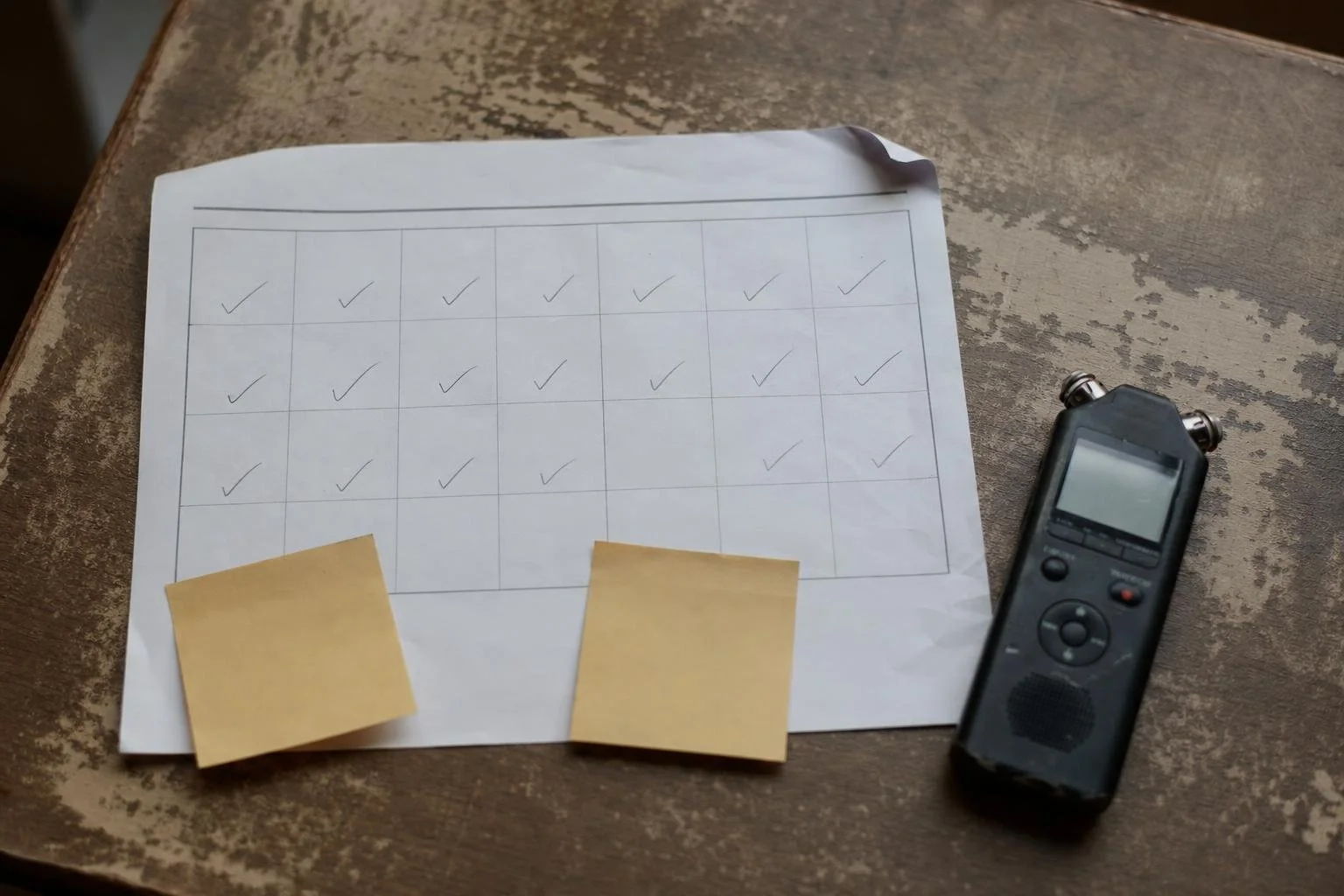
Week 1. Record a short baseline of yourself speaking naturally. Choose two target sounds and set one daily ten-minute stress and intonation drill.
Week 2. Add one minimal-pair list and a three-minute shadowing clip to your routine.
Week 3. Bring pacing and pauses into your own scripts, such as a meeting opener or a status update you actually give.
Week 4. Simulate a real scenario, like a phone call or a short presentation, then re-record. Reflect on two things only: how clear you were, and how confident you felt.
If you are working with Eastside Speech or another qualified provider, use the same plan as a shared progress log. Compare the week-four recording to your week-one baseline. Small, honest gains are the point, not perfection.
Keep What Is Authentic, Upgrade the Clarity
Your accent belongs to you. It does not need fixing, and it is not a barrier to being understood well. Clarity, on the other hand, is a skill anyone can build with a little consistent practice.
Start with the fundamentals: purposeful pacing, stress on the words that matter, and clean intonation. Add a few daily drills, keep the material realistic, and measure progress by how easily people follow you. When structured feedback would help, elective coaching is there as an option, on your terms and at your pace.
