
How to Find Fresh Character Ideas for Any Story You're Writing
If you write fiction around a family calendar, you already know the problem. The long, quiet writing block you keep waiting for rarely arrives. Most parent-writers have to work with small pockets of time.
The good news is that character ideas do not need perfect conditions. Short bursts of writing can add up quickly, especially when you know what to look for. Use these fast, ethical drills to turn ordinary life into believable characters without copying the real people around you.
Key Takeaways
Short sessions work. Ten-minute drills can build useful character notes over a week.
Start with desire. A small gesture plus a clear want is enough to begin.
Add contradiction. One internal tension helps a character feel less flat.
Protect privacy. Use composites, change identifying details, and ask permission when needed.
Keep one container. A notebook, notes app, or writing program works if you use it consistently.
The 10-Minute Character Spark
Micro-sessions suit parent writers because they match the time you actually have. Instead of protecting a whole evening, you claim ten minutes between dinner and bedtime. The goal is not a polished scene. It is raw material you can shape later.
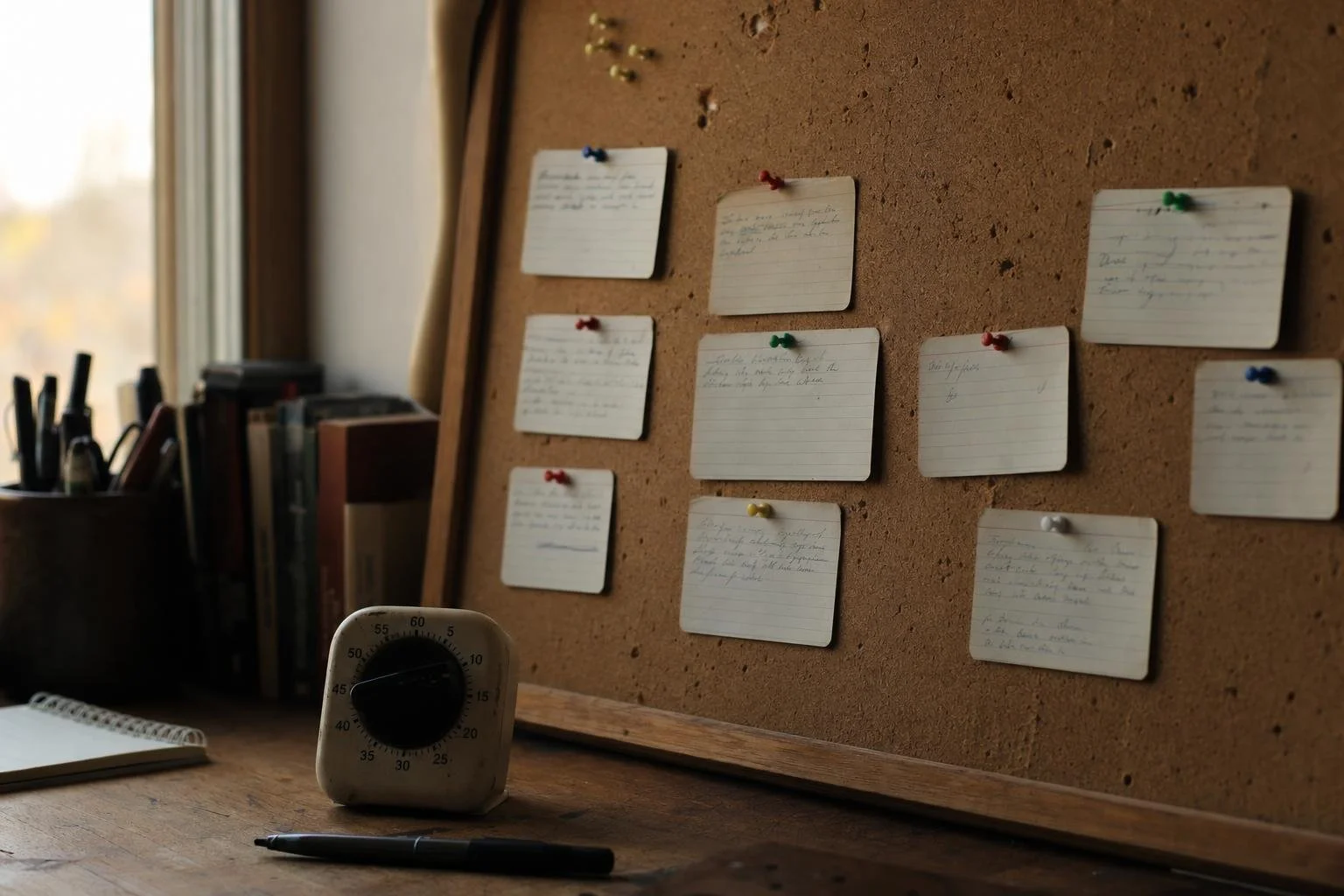
Build a simple ritual. Set a timer, choose one prompt, and write without editing until the timer ends. Editing is a separate job for another day. In a spark session, speed matters more than polish.

Quick Sparks You Can Use Tonight
These five drills are built around parent life. Each one takes about ten minutes and needs only a timer and a place to write.
School-pickup anthropology
While you wait, list five small gestures you notice: a parent checking the door twice, a child walking the curb like a balance beam, someone laughing too loudly at a quiet moment. Pick one gesture and ask a basic character question: what does this person want? That question turns observation into story material.
Name-first method
Choose three names from a baby-name book, a family tree, or a name generator. Then write a four-line bio for the name that feels most alive. If you like concise, list-style inspiration, the Literature & Latte blog has advice to find fresh ideas for a character in your story and points to Scrivener features such as the Name Generator, which can help if your notes already live there. Treat the tool as a prompt, not a rule.
Quirk swap
Take a familiar role and give it an unexpected habit. A pediatrician who is terrified of waiting rooms. A soccer coach who narrates everything in the third person. A librarian who cannot keep a secret. Write a few lines of dialogue and let the quirk create friction.
The 24-hour pressure test
Map how your character moves through one ordinary day. What do they skip, rush, protect, or avoid? Values show up in choices, so a rushed morning routine can reveal more than a long backstory summary.
Voice vignette
Write 150 words of pure voice reacting to a small parenting moment, such as a lost shoe five minutes before the bus. Do not describe the character. Let the way they complain, joke, bargain, or go silent do the work.
Build from Wants, Stakes, and Contradictions
A spark becomes a person when you attach a desire and an obstacle. Start plainly: what does this character want, and what stands in the way? That single tension can power a scene, a chapter, or a whole story.
Then add one internal contradiction. A patient teacher who is short-tempered at home. A cautious accountant who gambles on weekends. A generous neighbor who keeps score. Ask three quick interview questions while you cook, fold laundry, or sit in the car: what do they fear, what would they never admit, and what small thing brings them joy?
Borrow from Real Life Without Borrowing the Drama
Family life is a rich source, but real people deserve care. The safest approach is to build composites rather than portraits. Blend traits from several people so no single person is recognizable.
Use this short checklist before you borrow from real life:
Change identifiers such as age, job, city, appearance, and family structure.
Combine two or more people into one fictional character.
Ask permission when the material is personal, sensitive, or easy to recognize.
Leave out stories that belong to someone else, especially children's private struggles.
If a detail would embarrass or expose the real person if they read it, disguise it further or drop it.
Use Your Kids' World as a Mirror, Not Material
Children give you a front-row seat to imagination, and you can learn from it without turning them into content. PBS KIDS for Parents suggests modeling everyday adult writing, such as lists and notes, to encourage children to write. That same habit can also give you steady creative practice.
Try co-creative games that stay clearly fictional. Invent a side character together for a bedtime story, then develop a different adult version privately later. Your children get shared play, and you get a seed that is invented rather than lifted from their real lives.
Prompts and Lists That Actually Help
When you are too tired to generate ideas from scratch, a good prompt list removes friction. Reedsy offers character prompts organized by genre, which makes it easier to jump straight to the kind of story you are writing.
Curated craft blogs help too. Literature & Latte's writing advice often uses practical idea starters, including quirks, archetypes, and Scrivener's Name Generator. Read these prompts as starting points, not instructions. The best prompt is the one that gets you writing before the timer runs out.

Organize on the Fly, Analog or Digital
Ideas are only useful if you can find them again. The tool matters less than the habit of keeping everything in one place. Some writers use an index-card corkboard so they can move characters by hand. Others keep one note per character in the notes app already on their phone.
Writers who use Literature & Latte's Scrivener can keep names, sketches, and scene notes in the same workspace, which cuts down on scattered files. Whatever you choose, commit to a single container. Notes spread across five apps are the fastest way to lose a good character.
Mini-Workshop: From Glimpse to Character in 12 Minutes
Here is a repeatable sequence you can run from start to finish in about twelve minutes.
Choose a spark (1 minute). Use a gesture from pickup, a line you overheard, or a name that stuck with you.
Ask three questions (2 minutes). What do they want, what do they hide, and what would they never do?
Sketch want and obstacle (3 minutes). Write one sentence of desire and one sentence of what blocks it.
Write a voice paragraph (3 minutes). Let the character speak or think about a small daily moment.
Do an ethical scrub (2 minutes). Check for any real person peeking through and change details as needed.
For example, you notice a parent who keeps apologizing for their child at the park. You decide they want to look competent, they hide that they are barely holding it together, and they would never ask for help. Add a short voice paragraph, change any real identifiers, and you have a character with a clear tension.
Make It Sustainable
Routines beat marathons. If you stack ten-minute sessions across the week, you can reach about an hour of character work without clearing a whole evening. That rhythm is easier to protect than a rare all-day writing block.
Small nudges help. Keep one prompt list bookmarked, leave your notebook where you already sit at night, or add a recurring reminder to your phone. When the barrier is low, you are more likely to write even when the day has been full.
Bringing It Together
Fresh characters do not require more hours. They grow when you watch closely, ask what people want, write in short bursts, and protect the privacy of the people around you. Keep a timer, one prompt, and one container within reach, and even a busy week can produce honest, useful progress on the people who fill your stories.
