
How Creative Time Builds Stronger Connections with Your Kids
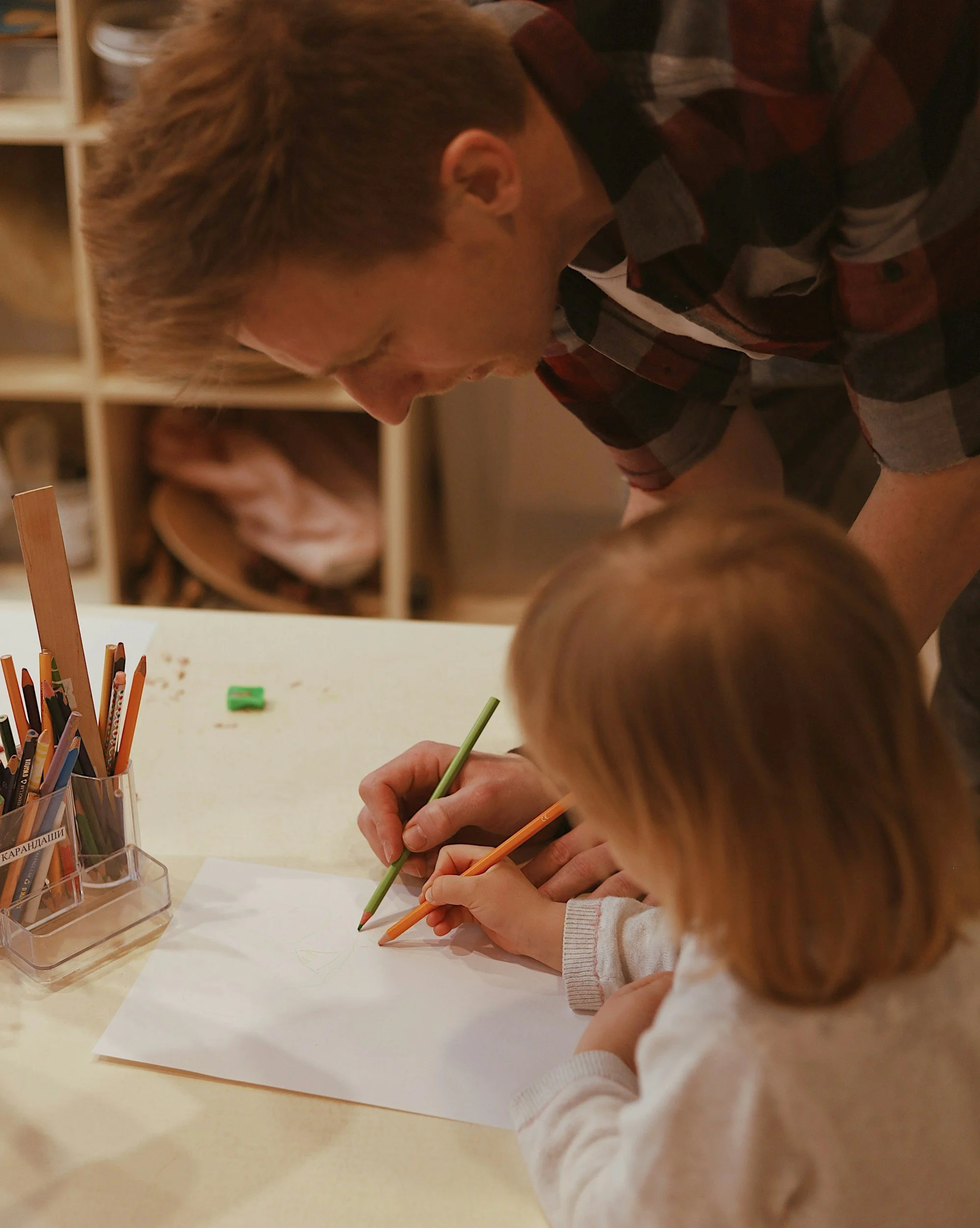
Can you relate to this? Parent life can feel intensely busy sometimes.
Between rushing out the door in the morning, keeping up with work, making dinner, and managing bedtime, most of our daily conversations with our kids end up sounding like a quick, repetitive checklist:
“Did you put your shoes on?”
“Have you finished your homework?”
“Time to brush your teeth!”
The rules, logistics, and routines are necessary, of course. Structure helps family life run smoothly. But here is the thing: these transactional interactions don't exactly bring us closer together on an emotional level. They keep the household running, but they rarely build deep connection.
Want to connect more deeply with your child? One option is to try to make something creative together. You don’t need hours or any fancy materials; creative time is just a great way to pause, step away from the daily rush, and reconnect.
1. Stepping Out of "Manager Mode"
Sometimes as a parent, it feels like you're constantly running the show. We spend most of our day setting boundaries, watching the clock, and keeping everyone on track. Kids get used to following instructions, but it puts us squarely in "manager mode"—and without even realizing it, that dynamic can create a bit of distance between us and our kids.
When you sit down together to build a cardboard fortress, mix paint on a canvas, or shape something completely ridiculous out of clay, that whole setup shifts in an instant.
In the middle of a creative project, you stop being the one in charge and simply become a teammate. Asking your child which color you should pick next, or letting them take the lead in play, sends a clear message: your ideas matter, and I care about your choices.
It’s huge for kids to get to guide an adult for a change. That simple change in dynamic builds a deep, mutual trust—the kind that sticks around long after the craft supplies are put away.
2. Conversations Happen Naturally Side-by-Side
Have you ever sat right across from your child, looked them straight in the eye, and asked, “How was your day?”
Most of the time, you get a one-word answer like “good” or “fine”—and then they immediately dash off somewhere else. A direct question combined with holding eye contact can feel a bit like an interrogation to a child. It puts them on the spot, and when kids feel cornered, they usually retreat into their shell.
Doing a creative activity together offers a totally natural solution through what’s often called “side-by-side” interaction.
When busy hands are occupied with paintbrushes, Lego bricks, or craft paper, the intensity of the situation just melts away. Instead of staring at each other waiting for a reply, you’re both looking down at whatever you’re making together. In that relaxed atmosphere, kids feel safe. With the pressure of a formal conversation off their shoulders, they start opening up—quite naturally—about school, stuff that’s bothering them, or just whatever random, funny thoughts pop into their heads.
3. The Gift of Full Presence
Have you ever noticed how surprisingly sharp kids are? They immediately pick up on when we’re only half-listening—like when we're mentally running through a to-do list, scrolling through notifications, or stressing about work.
Diving into a creative project together basically forces you to stop multitasking. You leave your phone in the other room, close your laptop, and just sit down on the floor or at the kitchen table.
When you spend twenty or thirty minutes totally wrapped up in a project together, time almost seems to slow down. That kind of focused presence says something huge to a child without you having to spell it out: right now, nothing else matters, and I just really enjoy being with you.
In a world overflowing with digital distractions, giving your child your full, undivided attention is honestly one of the most powerful ways to say, “I love you.”
4. Making Mistakes Together
Many adults hesitate to start creative projects with their kids because they feel they aren’t “artistic enough.” Maybe you can’t draw a straight line, or you feel like you just aren't that creative.
Honestly? Imperfection is actually so much better.
When a paper tower you’ve built together collapses, or your attempt to draw a dog ends up looking like a strange potato, just have a good laugh about it.
By showing your child that it’s completely fine to mess up, spill a little paint, or make something truly peculiar, you take the pressure off. It teaches them that doing things together isn’t about creating a masterpiece to display—it’s about enjoying the process, laughing at the mishaps, and enjoying each other's company along the way.
Simple and Stress-Free Ways to Get Started
Connecting through creativity doesn’t mean you need expensive craft supplies, elaborate setups, or a spotless home. In fact, keeping things totally low-key and pressure-free is usually the way to go:
The "Pass the Drawing" Game: Grab a plain piece of paper. Draw a random squiggly line and hand it over to your child. Let them add their own line or shape, then pass it back to you. Keep taking turns until you end up with a hilarious, totally unexpected masterpiece together.
Shared Paint by Numbers Project: Pick out a canvas kit together and paint side-by-side. You can swap numbered colors back and forth, take turns filling in neighboring sections, or turn a custom photo of a favorite family moment into a canvas. It's a super relaxing way to create something lasting together without any pressure.
Tag-Team Storytelling: Take turns telling a story. You start off setting the scene, then let your kid throw in a wild character or a crazy plot twist, and just see where your combined imaginations take you.
Side-by-Side Doodling: Get a cheap roll of paper, roll it out on the floor, and just start doodling together with whatever you have—crayons, markers, or paint. You don't need a plan at all; just enjoy the simple fun of filling up the blank space side-by-side.
Fun in the Kitchen: Next time you’re baking cookies or making pizza, throw the strict rules out the window. Let your kids shape their own dough, throw on their favorite toppings, or come up with weird new combinations.
The Long-Term Impact
Years from now, your kids won't remember how clean the living room was on a Tuesday afternoon, or how perfectly organized their schedules were.
What they will remember is how they felt when they were with you. Building a strong bond with your child really comes down to those small, everyday moments of genuine connection.
They will remember the laughs you shared over a failed craft project, the stories you made up together, and the feeling of having your complete, uninterrupted attention.
You don't need to clear out an entire weekend or turn your home into a chaotic art studio. Pick one simple 15-minute activity this week. Grab some paper, start a silly story, or open a fresh set of paints, and give your child the priceless gift of your presence.
