
Indoor Activities in Scotland: A Practical Rainy-Day Guide
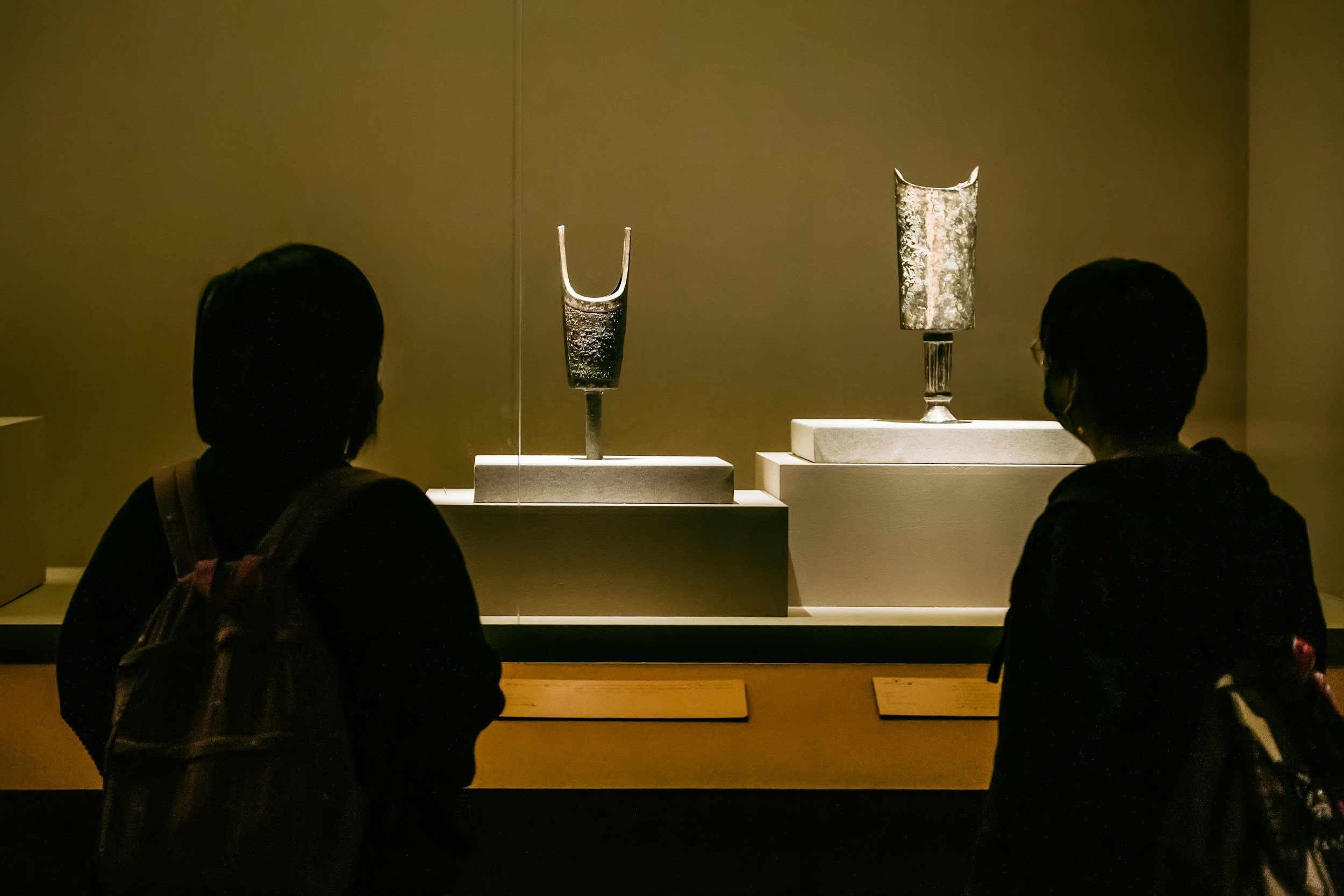
A cancelled hill walk calls for a different sort of outing: an exhibition to linger over, something children can investigate, or a climbing session that keeps the day active. The choice depends as much on the group’s mood as the forecast.
When choosing indoor activities in Scotland, start with three questions: how far do you want to travel, what interests everyone, and how much time have you got?
Choose an outing near your holiday base
Start with a map. Compare the complete journey, including parking or public transport connections, with the time you want to spend at the attraction. A nearby venue leaves more room for exploring, lunch and a relaxed return.
For anyone comparing Holiday homes for sale in Scotland, mapping nearby indoor attractions alongside walking routes helps show how a location could work for repeat visits. Look for variety: somewhere to be active, somewhere to browse and something that sparks a particular interest.
Keep two contrasting possibilities in reserve so you can choose according to the group’s energy on the day. The suggestions below span central and southern Scotland. Treat them as alternatives near different holiday bases, rather than stops on a single itinerary.
Five indoor options for different interests
Glasgow: art and collections at Kelvingrove
Kelvingrove Art Gallery and Museum gives a mixed-interest group a choice of collections to explore. Agree on a few things each person wants to see, then build your route around those choices.
With children, try taking turns to choose an object or artwork and explain what caught your attention. A few galleries explored at leisure can make a more satisfying afternoon than a hurried circuit of the whole building. Leave time to return to a favourite.
Dundee: hands-on discovery at Dundee Science Centre
Dundee Science Centre’s interactive exhibits suit visitors who enjoy investigating and participating. For a family group, think about the children’s interests as well as their ages: enthusiasm for one subject can be a better guide than a broad “family-friendly” label.
Allow time to repeat an activity. Trying something again, changing an approach and comparing the result are part of the attraction of hands-on science. Keep your next commitment flexible so there is time to follow an absorbing activity through.
Galashiels: storytelling through the Great Tapestry of Scotland
The Great Tapestry of Scotland approaches Scottish history through stitched images and storytelling. It is a distinctive choice for visitors interested in textiles, illustration or social history.
Pick a few scenes to examine closely. Look at the people depicted, discuss the details and compare how events are represented. For children who enjoy pictures and stories, a question such as “What do you think is happening here?” offers a starting point. Let the images lead the conversation, with room for different interpretations.
Fife: an aquarium visit at Deep Sea World
Deep Sea World, in North Queensferry, puts aquatic life at the centre of the visit. Before setting off, ask what everyone hopes to see. Once inside, slow down: watching how an animal moves or behaves gives a display more interest than simply identifying it and moving on. Allow time to linger at a display that catches the group’s attention, even if it means spending less time elsewhere.
Glasgow: an active session at an indoor climbing centre
Indoor climbing provides a physical challenge when outdoor plans fall through. Newcomers should look for an instructor-led introduction, with teaching clearly included in the session.
Compare the activities on offer. Bouldering uses lower walls above matting, while roped climbing involves different skills and equipment. Both require attention to the centre’s rules and appropriate supervision. Choose a session around the least experienced participant, giving everyone a suitable starting point. Confirm age requirements, equipment and instruction when booking.
Check the practical details before setting off
Confirm opening arrangements, admission and booking requirements on the venue’s own website. Compare the whole group’s cost, including equipment and separately charged activities.
For access needs, look for specific information about entrances, lifts, seating and sensory conditions. Those details are more useful than a general statement of suitability.
An indoor attraction can still involve an outdoor approach, queue or transfer. Check the route from the car park or station as well as the venue itself, and keep waterproofs handy.
