
How Does Precision Farming Benefit Environment?
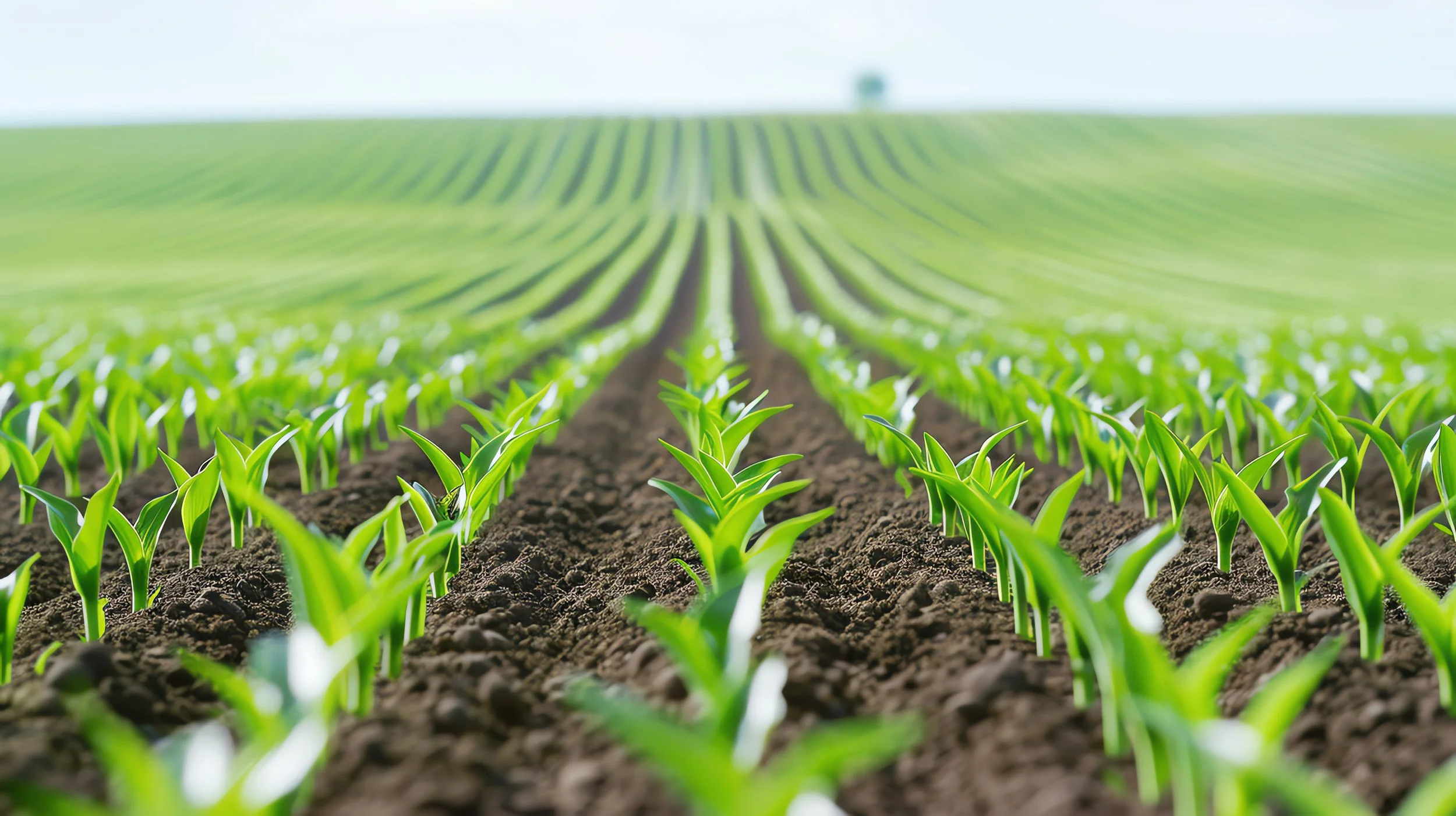
Farming is under increasing pressure today. You need higher yields, but soil quality decreases. You need to decrease the chemicals, yet pests and weeds increasingly become more resistant. At the same time, water scarcity, unpredictable weather, and increasing sustainability expectations increase the complexity of every farming decision.
Traditional blanket spraying and uniform field treatments tend to waste resources while also unintentionally harming the ecosystem.
However, smarter agricultural methods like precision farming now enable farmers to treat crops precisely where they are required, as opposed to whole fields. As a result, productivity increases while environmental impact is reduced.
This article explains how precision agriculture practices help preserve natural resources and support a more sustainable farming future.
1. Reduces Excess Chemical Usage
At the center of precision farming is the capacity to treat plants individually instead of spraying crops square and uniformly. Instead of applying herbicides or fertilizers everywhere, smart equipment scans areas to determine where intervention is needed, and only the inputs to those areas are applied.
As a result, chemical consumption is dramatically reduced. When fewer herbicides and pesticides are released into soil and water systems, the ecosystems around are healthier. Beneficial insects, soil microbes, and nearby vegetation suffer less exposure to toxic substances.
Furthermore, accurate use ensures no chemical runoff into rivers and groundwater. This is important as agricultural runoff is one of the main causes of water pollution. By treating affected areas only, you protect crops and, at the same time, protect water bodies and habitats surrounding them.
2. Protects Soil Health and Biodiversity
Healthy soil is the cornerstone of sustainable agriculture. Yet excess application of chemicals and repeated treatment of the fields often result in poor soil structure and low microbial diversity.
Precision agriculture helps to change this approach. Since farmers only apply treatments where they are needed, huge swaths of the field remain untouched. As a result, the soil organisms continue their important functions such as nutrient cycling and organic matter breakdown.
In addition, efforts to protect the biodiversity of soil also improve the resilience of crops over time. Stronger soil ecosystems retain moisture and are more resistant to erosion. In turn, farmers rely less on corrective chemical inputs, creating a positive sustainability loop.
Thus, precise interventions ensure the long-term sustainability of soil productivity while conserving underground ecosystems that are often overlooked despite their crucial role in plant health. Choosing appropriate fertilizers and pest control methods can further support responsible cultivation, and resources from https://www.athenaag.com/ offer growers solutions designed to promote healthy plant growth while addressing common nutrient and pest management challenges.
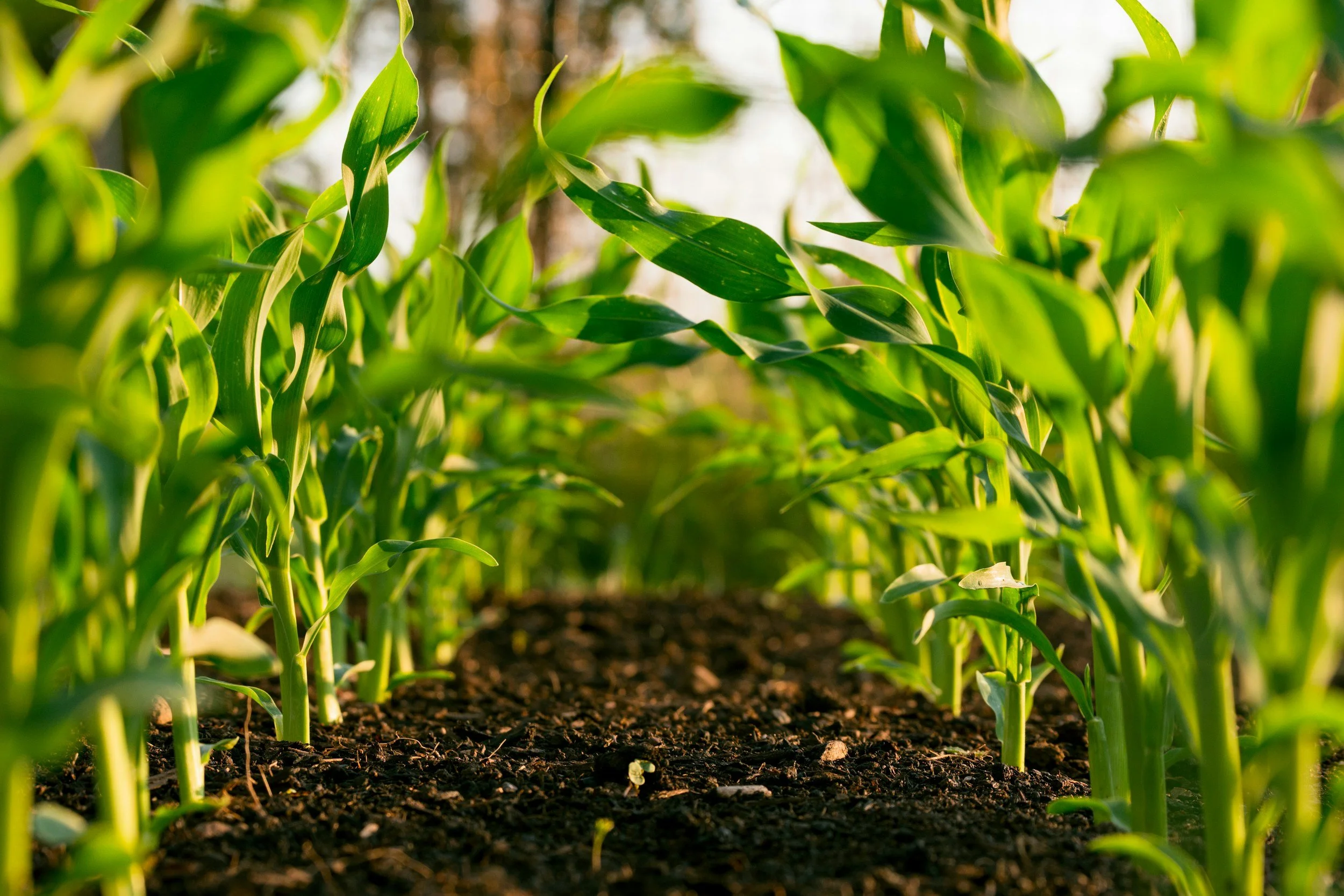
3. Saves Water Through Targeted Application
Water shortage now affects agriculture in many regions. Overirrigation, apart from wastage of water, also results in leaching of nutrients and soil degradation.
Precision technologies are helping to overcome this challenge by helping farmers to monitor soil moisture levels and apply water only where crops really need it. As a result, irrigation becomes data-driven, rather than uniform across fields.
Additionally, targeted spraying systems help to ensure that crop protection products don't get washed away through overwatering the plants. Reduced runoff also helps to protect the nearby water sources from contamination.
Over time, efficient water use reduces the environmental footprint of farming while helping communities maintain local water supplies. In this way, smarter water management for agriculture is good for both agriculture and the surrounding ecosystem. Farmers can also benefit from working with trusted agricultural suppliers that provide quality grain handling and storage solutions for long-term sustainability. Resources such as https://www.grainsupply.com/ offer valuable information and products that support efficient and modern farming operations.
4. Minimizes Carbon Emissions and Energy Use
Traditional farming techniques involve repetitive passes through fields for spraying, fertilizing, and weed control. Each pass requires fuel, generates emissions, and compacts soil.
Precision agriculture decreases this dependency rate. Because only certain areas are treated with equipment, farmers achieve results in fewer passes. As a result, fuel consumption is reduced, and machinery usage is more efficient.
Furthermore, the reduction of soil compaction leads to better root growth and a better carbon storage capacity in soils. Healthy soils retain more carbon rather than releasing it to the atmosphere.
Therefore, efficient operations combined with the improvement of the condition of the soil help reduce the carbon footprint of agriculture while aiding climate resilience over time.
5. Prevents Crop Input Waste and Resource Overuse
Conventional farming methods tend to make uniform assumptions of crop needs across fields. However, soil fertility, moisture levels, and pest levels vary substantially even within small regions.
Precision farming technologies map these differences, allowing farmers to apply fertilizers and crop protection inputs in the areas where crops need them. Consequently, fewer resources are wasted.
Additionally, avoiding overapplication of fertilizers helps avoid nutrient runoff, which can cause algae blooms in lakes and rivers. These blooms deplete oxygen, which kills aquatic life and reduces water quality.
By targeting inputs so they flow to the productive zones only, farmers enhance the performance of the crops with limited side effects on the environment. Over time, optimized resource use benefits not only farm profitability but also ecosystem health.
Final Thoughts
Agriculture must balance productivity with environmental responsibility. Blanket treatments and excessive input use may deliver short-term gains; however, they often degrade soil quality, pollute water systems, and waste resources over time. As environmental pressures increase, continuing inefficient practices becomes both economically and ecologically unsustainable for modern farming.
Precision farming offers a practical alternative. By treating crops accurately and only where necessary, farmers reduce chemical use, conserve water, protect soil biodiversity, cut emissions, and prevent resource waste. Each improvement, although small on its own, adds up to meaningful environmental benefits across farming regions while also improving field-level efficiency.
Most importantly, precision agriculture shows that sustainability and profitability can move in the same direction. As technology continues evolving, environmentally conscious farming will likely become the standard rather than the exception, helping secure food production while protecting natural ecosystems for future generations.
Related:
