
How Families Can Build Healthy Money Habits at Home
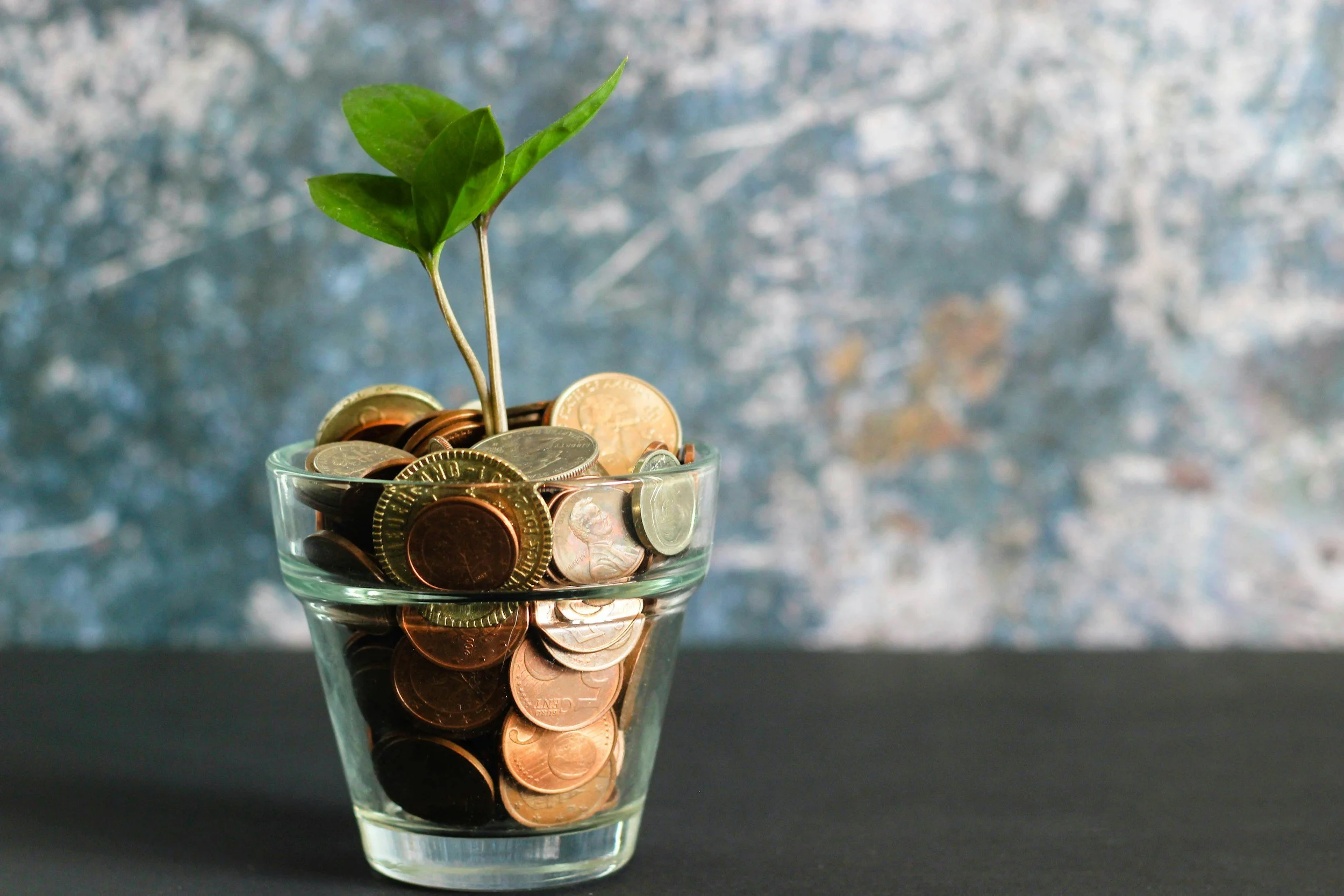
Constructive financial routines are helpful because parents and children can use them to make deliberate choices - these habits are effective at showing how daily actions change a household's available funds. When residents manage their income as a normal part of life, they are able to plan for purchases, accumulate funds for specific objectives and manage costs that occur without warning. Daily patterns are useful for teaching behaviors that lead to financial stability over long periods.
Construct a Household Budget
A budget is a tool that shows how a household uses its monthly earnings. Parents are able to include teenagers in conversations about recurring costs, like food, electricity, fuel, rent and leisure activities. Demonstrating how these costs relate to total income is a way to teach children that every purchase has a limit - this practice is also an opportunity for adults to confirm that their current outgoings match their future objectives.
Budgeting is more effective when it is a frequent habit rather than a reaction to a lack of funds. Examining receipts and bills at the start or end of the month is a method to find unnecessary costs. A clear plan for money is also helpful when preparing for predictable events like school terms, seasonal celebrations or house maintenance.
Foster the Habit of Saving
Reserving money is simpler when a household defines specific and achievable targets. Parents are able to suggest that children keep a portion of their pocket money or gifts rather than using the entire amount right away. Adults can model this behavior - adding money to funds reserved for emergencies or expensive items - this routine is a way to teach children to be patient and to prepare for the future.
Visual trackers are helpful for monitoring progress toward these goals. For instance, a child is able to mark how close they are to the price of a bicycle while parents track the growth of a reserve fund - this visual method links current sacrifices to future rewards. It is also a way to show that waiting to buy one item makes it easier to buy something of higher quality or greater necessity later.
Evaluate Purchase Choices
Honest talk about shopping is a way to distinguish between essential items and optional desires. Parents are able to clarify why certain bills are the priority while non essential items are secondary. Instead of refusing a request without an explanation, parents are able to describe the reasons for a decision, like the total money available or how a purchase affects a different goal.
Grocery shopping is a chance to practice comparing different products. Comparing the cost per unit, the durability of an item and the true need for a product are useful skills - these interactions are a way for children to see that the lowest price is not the only important detail. Over time, the lessons are likely to result in more careful spending by every resident.
Supervise Credit With Care
Children are able to learn that using a loan creates a legal and financial duty. Parents can describe how interest functions, how long it takes to pay back a debt and the cost of keeping a balance on a card - these talks are a way to show that credit is a tool for making purchases that also requires future payments. Adults are able to show the importance of these lessons - using their own credit cards and loans with caution.
Households with large amounts of debt are able to talk about the value of finding accurate information. Adults might investigate methods like debt consolidation while looking closely at interest rates and the time required for repayment. The objective is for family members to see that managing debt is about making careful choices rather than using more loans to fix a lack of money.
Schedule Regular Financial Checkups
Periodic reviews are a way to find small issues before they grow. Parents can check their savings levels, monthly bills and progress toward their targets. Children are able to join these talks when the topic is suitable for their age, which shows them how plans change when life changes. A routine check is a way for a household to see where they are succeeding and where they must be more careful.
Financial habits are more durable when they are part of a normal day. Saving and borrowing are better taught through steady examples than through rare lectures. By making a home where money is a topic of calm and practical conversation, parents are able to help everyone develop skills that lead to a stable life.
