
Paint by Numbers Difficulty Levels Explained: Beginner to Advanced
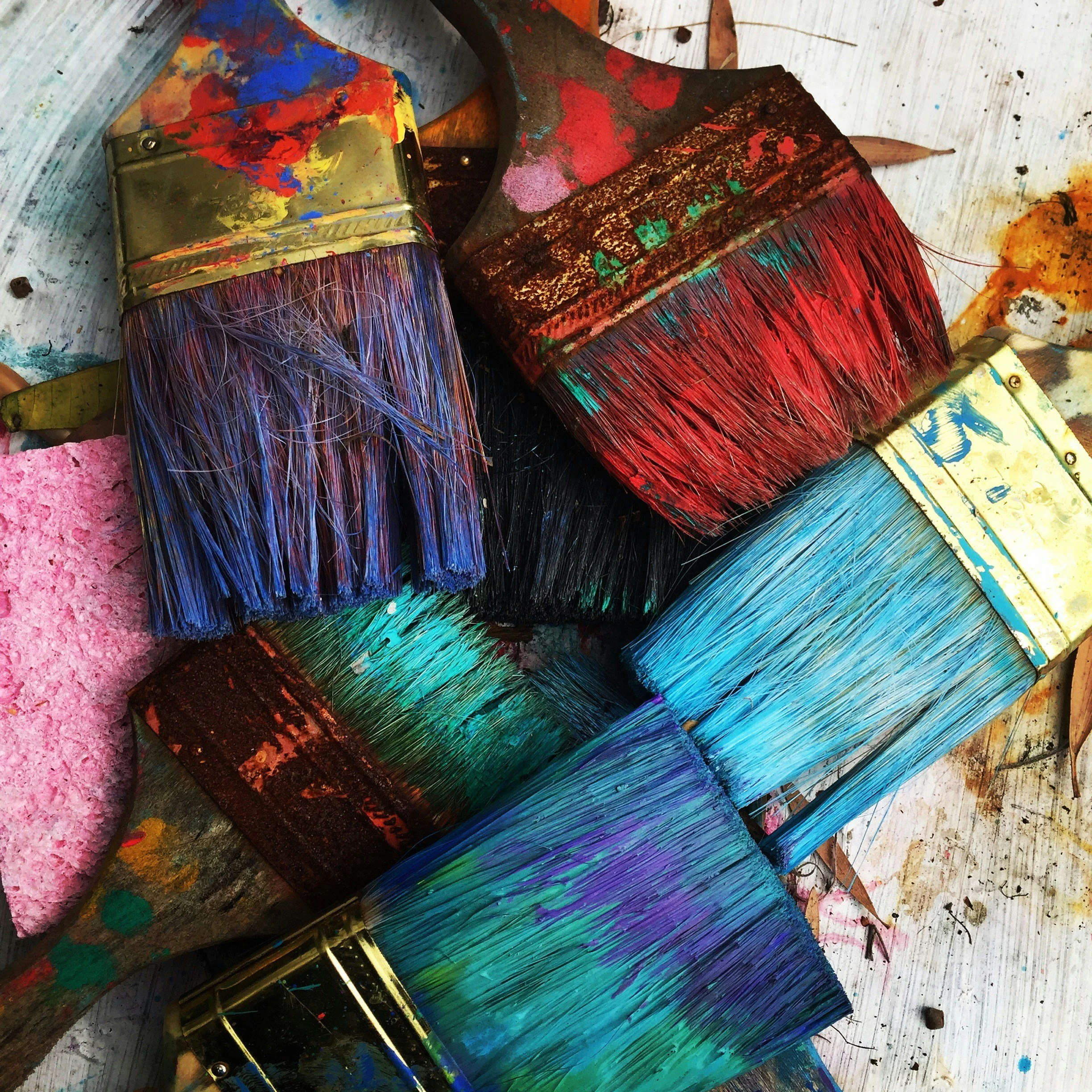
Most people assume paint by numbers is only for children. That assumption disappears fast once you see a 6,000-piece kit with 50 color sections packed into every square inch. Paint by numbers difficulty levels explained across the beginner to advanced spectrum reveal a surprisingly wide range, and knowing where you fit before you buy saves you from frustration or outright boredom on your first session.
Understanding Paint by Numbers Difficulty Levels
The numbered sections on a canvas do far more work than most people realize. They dictate session length, the fineness of brush you'll need, and how much patience the whole thing demands. Figured’Art carries over 2,500 kits across every tier, so what counts as "beginner" versus "advanced" varies pretty widely. A beginner canvas might have 15 to 20 distinct color zones spread across large, easy-to-fill shapes; your brushwork stays loose and forgiving. An advanced canvas can carry 50 or more colors, with sections smaller than a fingernail, where one shaky stroke bleeds into an adjacent tone. The main variables are canvas size, number of colors, the size of individual numbered sections, and how much blending the design asks for. Get those four factors right for your skill level, and you'll actually finish the kit; get them wrong, and it sits half-done in a closet.
Beginner to Intermediate: Building Your Skills
Paint by numbers difficulty levels start with beginner kits built to grow your confidence before asking anything technical of you. Most entry-level sets use canvases between 8×10 inches and 12×16 inches, with numbered regions large enough to fill comfortably using a medium-size brush. The color palette stays tight - typically 15 to 25 paints - so you spend less time hunting for the right pot and more time actually painting. As you move into intermediate territory, those numbers climb, and the sections shrink. You develop real brush control, learn to cover edges cleanly, and start noticing the difference between laying down flat color and building a second coat to correct a mistake.
The progression from beginner to intermediate is less about artistic talent than it is about patience. Most people work through several beginner kits before an intermediate design stops feeling overwhelming.
Beginner Sets: Simple Designs and Fewer Colors
Beginner kits work best with subjects that have naturally broad shapes, animals with smooth fur areas, simple florals, sunsets, or abstract patterns that don't require precise detail. The numbered sections are wide enough that your brush rarely needs to stop abruptly at a fine edge, and the color count stays low enough that organizing your paints before you start takes five minutes, not twenty. One practical tip that experienced painters consistently mention: work from the top of the canvas down and finish all sections of one color before moving to the next. This stops your hand from smearing wet paint across areas you've already finished.
Beginners also do better with kits that include acrylic paints rather than oil-based formulas, acrylics dry faster, clean up with water, and forgive small mistakes more readily. And honestly, the large section sizes on beginner canvases mean a corrective coat blends in without much visible repair work, which takes a lot of pressure off.
Intermediate Kits: More Detail and Color Separation
Intermediate kits introduce tighter color separation; that's the point where paint by numbers stops feeling like a fill-in activity and starts feeling like actual painting. You'll encounter gradients represented by several similar shades placed side by side, a sky rendered in four closely related blues, or a wooden surface broken into five different browns to suggest texture and shadow. The challenge isn't identifying the colors, since the numbers still guide you. The challenge is executing clean boundaries between sections that share almost identical tones.
At this level, a thinner detail brush becomes necessary alongside the broader ones used for fill work. Many intermediate kits measure 16×20 inches or larger, and a single session rarely covers more than a fraction of the canvas. Expect somewhere between eight and fifteen hours total on a solid intermediate project. But the result carries noticeably more depth and visual interest than anything a beginner kit produces.
Advanced Paint by Numbers for Experienced Artists
Advanced kits don't just add more colors - they restructure the entire experience. Sections become small enough that you'll want a magnifying lamp in anything less than bright light, and the color count frequently exceeds 40 to 50 individual paints. Popular subjects at this level include portrait paintings, photorealistic wildlife scenes, and reproductions of famous works. These categories demand accurate color placement because the human eye catches errors in skin tone or facial shadow immediately - in a way it never would on a simple flower design. Advanced canvases often span 20×24 inches or 24×36 inches, so the physical scale adds its own layer of work.
Artists who take on these kits already know how to hold a brush steady, how to avoid overloading the bristles, and how to read a heavily segmented canvas without losing their place. The numbered system still guides you, but your execution has to match what the design demands.
Advanced Techniques and Complex Designs
Here's the thing: at the advanced level, technique starts to separate good results from great ones. Dry-brushing - drawing an almost-empty brush across a surface - creates texture on fur, wood grain, or rough stone in ways that flat application never quite achieves. Color mixing also becomes relevant; some advanced kits supply paints intended for blending rather than strict single-section fills, which means you're working more like a traditional painter than someone following a numbered map.
Thin paint in multiple coats beats thick paint in one, particularly in small sections where an overloaded brush creates a raised, uneven surface that catches light awkwardly. Portrait subjects require careful attention to the boundary between shadow and highlight on the face, even a one-millimeter shift in placement changes the likeness. So advanced painters often finish a session by stepping back and reviewing the canvas from across the room, spotting tonal inconsistencies that aren't visible up close, then correcting them in the next sitting.
Choosing Your Next Challenge
Choosing the right difficulty level comes down to honest self-assessment rather than ambition. Completed two or three beginner kits and found them comfortable? An intermediate design is a reasonable next step. Finished several intermediate projects and still felt in control? An advanced kit is worth considering. The mistake most people make is jumping two levels at once, moving from a simple 20-color beginner canvas straight to a 50-color portrait canvas. That gap is wide enough to turn a genuinely enjoyable hobby into a real headache.
Progress gradually; treat each kit as practice for the tier above it. Canvas size, subject difficulty, and color count are all adjustable variables, so you can find an intermediate kit closer to the beginner end of the range as a stepping stone. Accessories matter too, a quality set of brushes in multiple sizes, a palette for test strokes, and good lighting make every difficulty level more manageable than it would otherwise be.
Conclusion
Paint by numbers difficulty levels run from genuinely beginner-friendly to technically demanding, and the gap between those two ends is wider than most people expect. Beginner kits teach you the fundamental habits - brush control, coat coverage, working in sections - without overwhelming you in the process. Intermediate designs build on those habits and introduce color difficulty, while advanced kits ask for precision and patience in equal measure. Match your current skill level honestly, finish a few kits at that tier, and move up from there. You'll complete more projects that way; and finishing, it turns out, is what makes this hobby genuinely satisfying.
