
How Homeowners Can Recover Quickly After Storm Damage to Family Homes
Written by Lea Collins.
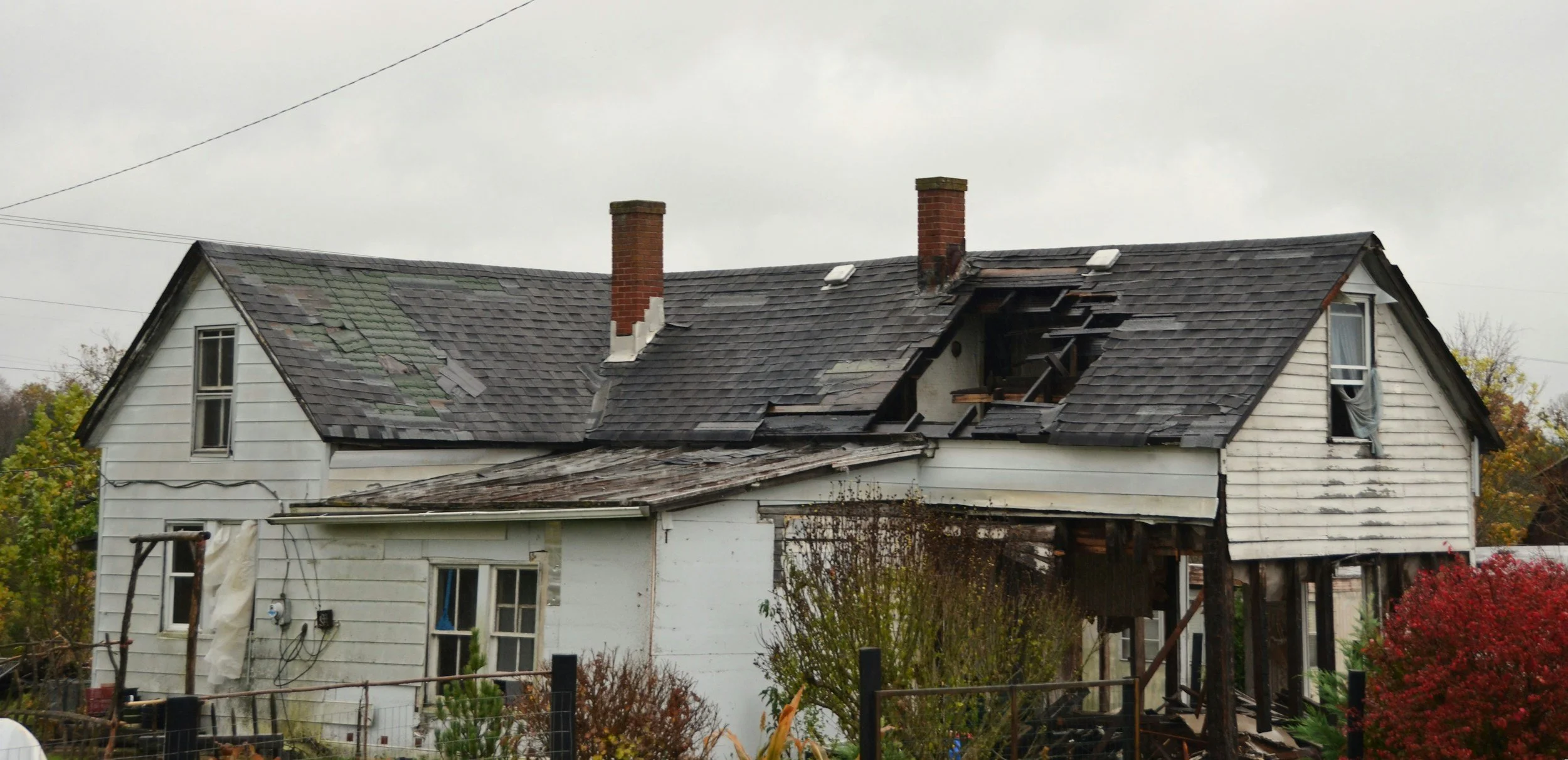
Storms can turn a normal day into a stressful blur. The first hours matter, but recovery is a series of small, steady steps that protect your family, your home, and your budget. A clear plan helps you make decisions without second-guessing.
This guide walks you through safety and documentation, then insurance, repairs, and aid. The goal is simple - reduce risk, cut delays, and keep records that back every claim and invoice.
Start With Safety And Documentation
Begin with a cautious walkthrough from the outside. Look for downed power lines, sagging roofs, and unstable trees. If anything feels unsafe, keep your distance and call the utility or local officials before you go inside.
Document the damage before you touch a broom. Take wide photos of each room, then close-ups of roof sections, ceilings, windows, and flooring. Write a quick inventory of damaged items so you can match images to costs later.
A federal disaster-readiness guide emphasizes the value of photographing and listing losses before cleanup starts, since those details become your proof when adjusters and aid programs ask for specifics. That simple habit prevents disputes and short payments.
Contact Your Insurer And Set Expectations
Notify your insurer as soon as phone service allows and confirm the claim number. Ask how inspections work, what temporary repairs are allowed, and how to submit receipts for reimbursement.
Confirm the best way to submit photos, videos, and receipts. Clarify deductibles, depreciation, and when to replace after a storm, as well as the carrier’s criteria for repair vs. full replacement. Get these rules in writing so you can compare them with your contractor’s findings. This avoids guesswork once bids arrive.
If the adjuster’s schedule is packed, request a virtual inspection using your photos and videos. You can still push for an in-person visit later if hidden damage turns up or estimates differ.
Make Emergency Repairs Without Risk
Stabilize the home without putting yourself in danger. If the roof is leaking, place containers under drips and cover the flooring. Tarping can limit interior damage, but only from the ground with extension tools or by hiring pros.
Keep every receipt for tarps, plywood, fans, and hotel stays. Note the date, what you bought, and which room or system it protected. Insurers usually reimburse reasonable temporary measures when they prevent further loss.
Avoid permanent fixes until after the adjuster documents the scene. If a contractor must open a ceiling to stop active damage, photograph the area first, then again as work proceeds and when it is sealed back up.
Watch For Health Hazards During Cleanup
Treat standing water and soaked materials as potential health risks. Floodwater can carry sewage, fuel, and chemicals. Wear gloves and a respirator while removing soggy items, and wash your hands often.
Dry the structure quickly using air movement and dehumidifiers. Porous items like carpet pads and some insulation usually need removal because they trap moisture. Hard surfaces can be cleaned and disinfected once fully dry.
Health authorities warn that flooded homes may harbor mold and contamination that threaten family safety. Take those warnings seriously and pace cleanup to minimize exposure while ensuring airflow and proper protective gear.
Work With Qualified Contractors
Collect at least two written estimates with the same scope. Each proposal should identify materials, brand lines, installation methods, and warranties. Make sure attic ventilation, underlayment, and flashing details are spelled out clearly.
Check licensing, insurance, and local references. Verify the company’s physical address and who will be on site. If the bid seems unusually low, ask which materials were downgraded or which labor steps were skipped to reach that price.
Use this quick checklist while you compare bids:
Confirm start and finish windows, plus how weather delays are handled.
Require itemized pricing for materials, labor, and permits.
Define change order rules, including how surprises are priced and approved.
Know Your Aid Options And Paper Trail
Not every loss is fully covered by insurance. Keep your paperwork organized so you can apply for aid if the storm is declared a disaster. Save your claim number, inspection notes, estimates, receipts, and time-stamped photos in one folder.
Some assistance programs set yearly caps and habitability standards that determine eligibility. In 2024, caps for certain repairs were in the low $40,000s, so complete documentation helps you qualify for what is available and avoid delays.
A national preparedness resource highlights the importance of listing damages before cleanup, which pairs well with contractor estimates when you submit claims or aid applications. Strong evidence shortens back-and-forth and keeps your rebuild moving.
Recovering after a storm is part triage, part patience. Focus first on hazards, then on documentation, and finally on the sequence of repairs that stop active damage and restore essential systems. Each step you record becomes leverage for your claim.
Give yourself room to breathe. Homes can be repaired, and most materials can be replaced. With a steady plan, clear records, and careful hiring, you can bring your family space back to normal and build resilience for the next season.
Related:
