
Why Road Accidents Spike During Winter
Written by Lea Collins.
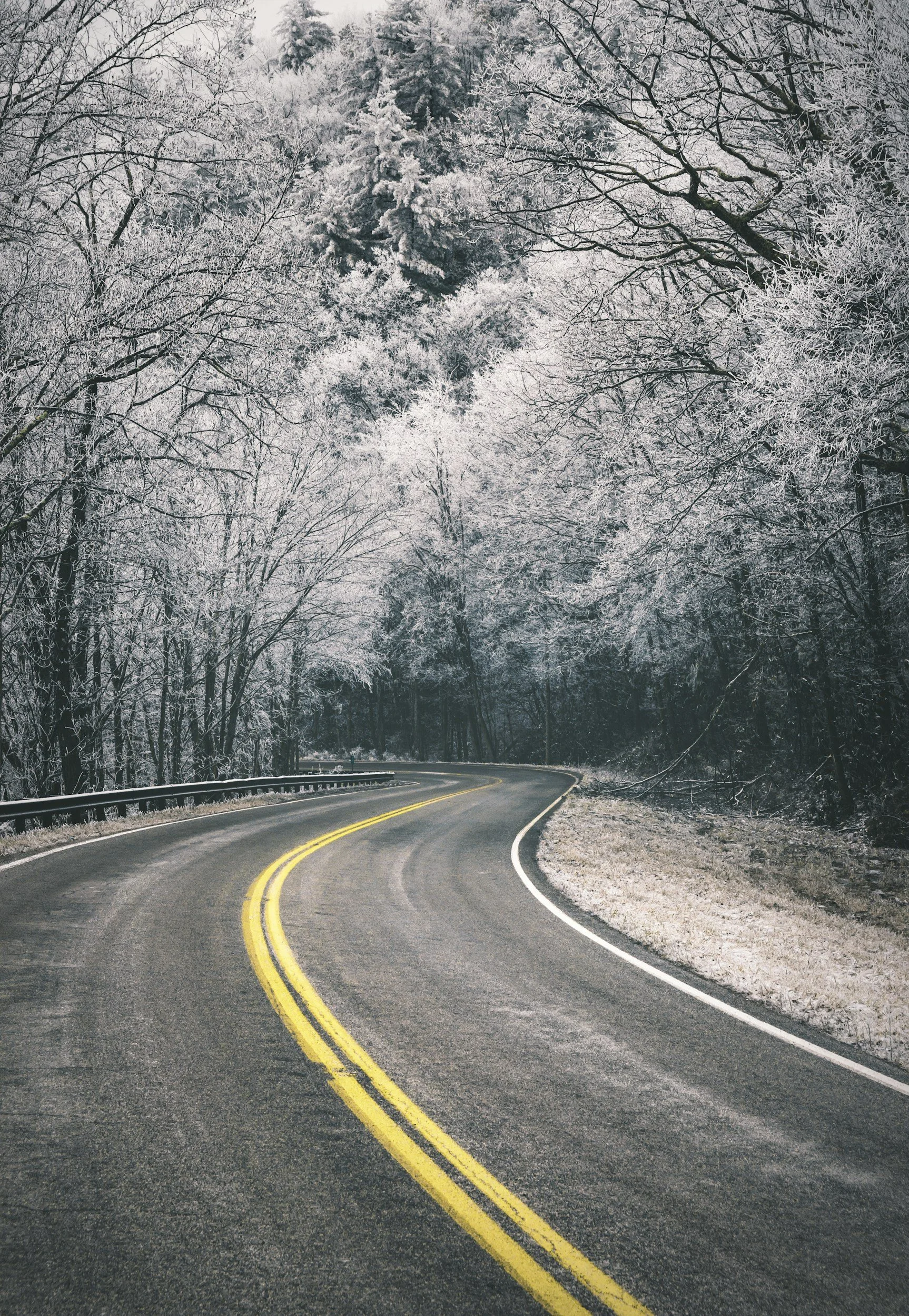
Cold months raise the risk for everyone on the road. Snow, sleet, and freezing rain change how vehicles handle. Short days and long nights shrink the margin for error, and a small mistake can turn into a crash fast.
Why Winter Crashes Surge
Winter stacks hazards that appear at the same time. Drivers face slick pavement and poor sightlines, and pedestrians must navigate snowbanks and dark streets. If you walk in DC, Maryland, or Virginia, winter pedestrian safety tips in the DMV can help you plan safer routes and crossings. Small choices such as brighter clothing or slower turns at slick corners make a big difference.
Traffic also moves in bursts during storms. Plows create ridges that trap wheels, and ramps ice up first. Even simple errands can include more stops, more merges, and more chances for errors to stack.
After a storm, danger does not end. Melted slush refreezes overnight, and lane lines disappear under grime. People relax too soon, which leads to surprise slides at low speed.
How Ice And Slush Reduce Traction
Rubber needs friction to work. On snow or ice, that friction drops, so tires slip before they grip. Steering that felt normal in October can spin a car in January.
Stopping distance stretches even at city speeds. Antilock brakes help you steer while braking, but they cannot create grip on a slick surface. Gentle inputs are the rule in winter - slow acceleration, smooth braking, and calm steering.
A federal highway analysis notes that a large share of weather-related crashes happen on snowy, slushy, or icy pavement, with many more during snowfall or sleet. That means risk rises both during a storm and just after it. Treat every wet-looking patch with caution.
Visibility And Shorter Days
Light fades early in winter, and glare off snow cuts contrast. Fogged glass and film on headlights make it worse. Black ice hides in plain sight, especially on bridges and shaded lanes.
Clean glass inside and out before you drive. Aim headlights correctly, and clear backup cameras that slush can blind. A minute of prep can save seconds that matter later.
Pedestrians face extra danger in the dark. Drivers may not see someone stepping off a plowed bank until it is too late. Slow down earlier when you approach crosswalks and bus stops.
Human Factors That Amplify Risk
The weather is only half the story. People hurry when they are cold or late, and that tends to show up as hard braking or tailgating. Confidence in all-wheel drive can also be misplaced.
Long, slow commutes drain attention. After an hour of tense driving, small lapses grow. Plan breaks and give yourself more time than you think you need.
A national safety update reported hundreds of fatal crashes and tens of thousands of injury crashes in snow or sleet conditions in 2023. The numbers underline a simple point. One risky move can start a chain reaction when the surface is slick.
Common Winter Crash Patterns
Many winter crashes follow a few patterns. Knowing them helps you spot the setup. When you see the setup, you can choose a safer move earlier.
Sliding through a stop after braking too late
Rear-end hits from following too close in slow traffic
Left turns across lanes when oncoming cars cannot stop in time
Lane-change spins from sharp steering on slush ruts
Parking lot bumps while tires ride on packed snow
Intersections deserve extra care. Approach signals slower than usual, and assume cross traffic might slide. In neighborhoods, expect hidden ice under thin snow and people stepping off unshoveled curbs.
Practical Adjustments That Help
Tire pressure drops in the cold, so check it often. Replace wipers that chatter, top off washer fluid, and clear all glass before moving. A brush and a small shovel in the trunk save time when plows leave ridges around the car.
On the road, leave more space than feels normal - aim for 6 to 8 seconds behind the car ahead. Build momentum before hills, and avoid stopping on the slope. If you skid, look where you want to go and steer there while easing off the throttle.
Choose safer streets over faster ones. Main roads get cleared first, but ramps and bridges still freeze early. Patience turns near misses into non-events.
After-The-Storm Hazards
Storms end, but risk lingers. Meltwater flows across lanes in the afternoon and refreezes by dawn, turning damp patches into black ice. Expect the slickest spots near bridges, ramps, and shaded curves.
Plow berms narrow lanes and hide curbs. Drivers crowd the centerline to avoid piles, while pedestrians step out from between parked cars. Slow earlier and scan wider than usual.
Salt and brine help, but they are not instant. Freshly treated roads can still be slick until traffic works the material in. Watch for hidden potholes under slush that can kick the wheel and break traction.
Staying ahead of winter risk is about planning and pace. Check the forecast, leave early, and set a calm rhythm. With steady habits and a little practice, you can keep moving through winter without close calls.
Related:
