
How Mindful Outdoor Movement Nurtures Your Mental Wellbeing and Independence
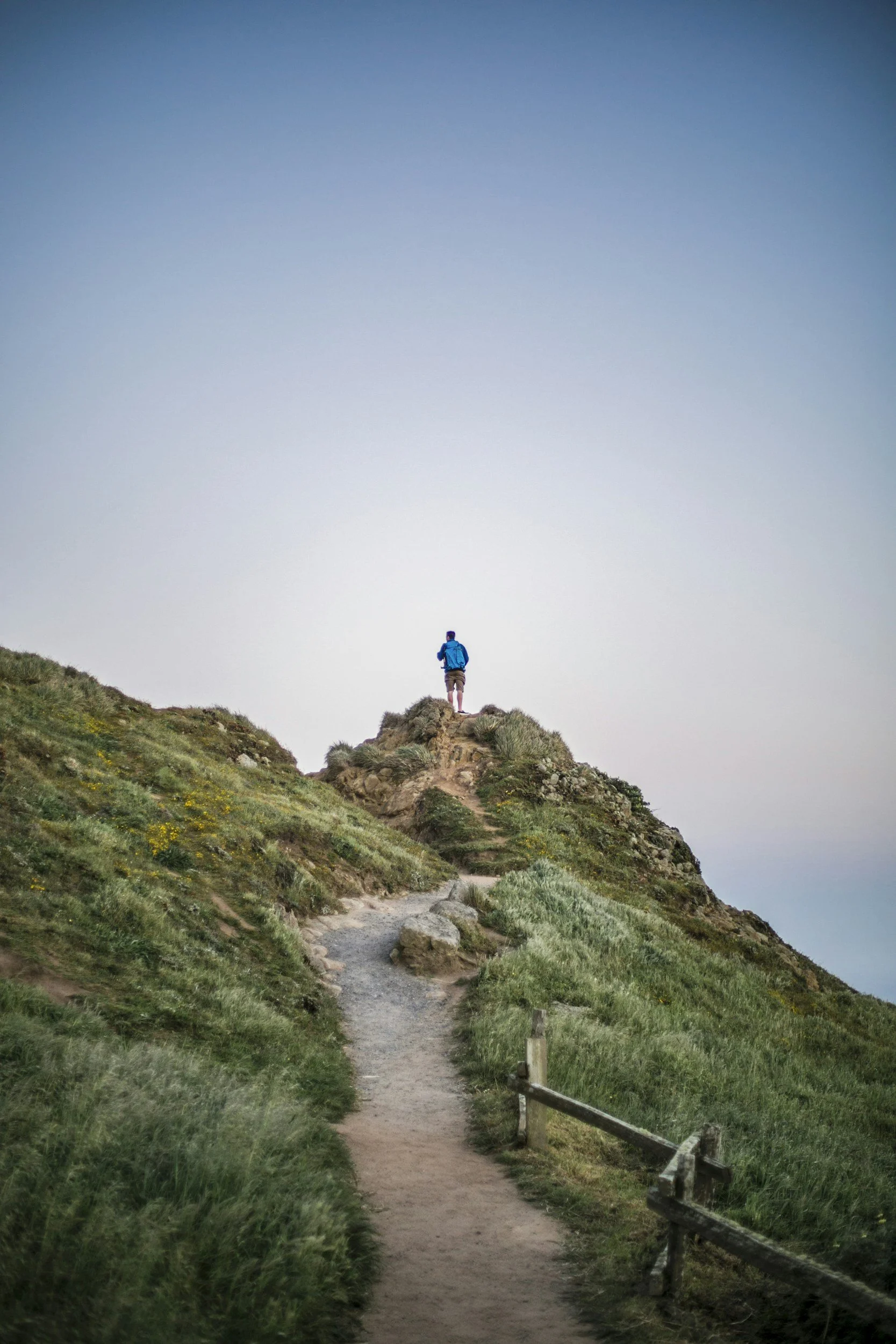
Image by Andreyuu from Getty Images via Canva
When we think of self-care, we often picture quiet meditation or journaling. However, one of the most effective ways to regulate the nervous system and protect our mental health is completely free and right outside our doors. Mindful outdoor movement bridges the gap between physical health and emotional resilience. For many, taking a walk is not just a form of exercise but a vital strategy for maintaining independence and personal wellbeing as we navigate different stages of life.
The Psychological Power of Stepping Outside
Mindful walking physically calms the nervous system by actively shifting the body from a sympathetic fight-or-flight mode into a restorative parasympathetic state. The impact of this shift is profound and happens rapidly. Within just one to four minutes of starting an intentional walk, the vagus nerve engages to help calm the body and enhance emotional control.
Scientific research heavily supports this biological response. A study conducted at Walter Reed National Military Medical Center demonstrated that participants who took a mindful walk along a short woodland path experienced a 53 percent drop in salivary cortisol levels, indicating a massive reduction in physiological stress. Taking the time to focus on your steps, your breathing, and your surroundings creates a natural buffer against daily anxiety.
Professional organizations emphasize the importance of regular exposure to green spaces. The American Psychological Association notes that spending at least two hours a week in nature is associated with significantly greater health and well-being, highlighting that individuals with high levels of nearby nature report high well-being even when experiencing low social connectedness. These natural prescriptions are becoming formalized around the globe. For example, a 2025 trial evaluated by the University of Melbourne found that a six-week nature prescription program significantly reduced psychological distress, anxiety, and loneliness among its participants.
Overcoming Mobility Anxiety to Stay Active
While the mental benefits of outdoor movement are clear, practical hurdles can sometimes stand in the way. For older adults or those recovering from injuries, a lack of physical confidence can derail an active lifestyle. Approximately 85 percent of older adults experience some degree of a fear of falling, which significantly diminishes their confidence when participating in outdoor and social activities.
This prolonged fear often leads to physical withdrawal, triggering a cycle of social isolation that is a primary risk factor for clinical depression. People who experience a fear of falling and reduced physical independence score significantly lower on health-related quality of life metrics than those who feel secure in their mobility. Therefore, feeling physically safe is a mandatory prerequisite for mental wellbeing.
If you rely on a cane for stability, gear maintenance is essential for your peace of mind. Surprisingly, up to 70 percent of cane-related slips and falls are caused by worn or improperly fitted equipment rather than any structural issue with the cane itself. Because walking stick rubber tips degrade gradually, users often subconsciously alter their walking posture to compensate for the loss of grip. Replacing these components as soon as they wear out ensures you can confidently navigate uneven outdoor terrains without compromising your gait or physical stability.
Building a Sustainable Nature Routine
Creating steady, intentional daily habits is the best way to prevent emotional fatigue. Incorporating short outdoor walks into your week is a foundational step in building a balanced wellness routine that keeps your mind and body engaged. In the Australian trial mentioned earlier, participants who engaged in two hours of guided outdoor activities per week saw their overall personal wellbeing index scores jump from a baseline of 5.7 up to 6.4 out of 10.
To reap these benefits safely and consistently, consider these practical steps:
Start small: You do not need to hike for hours. Since the vagus nerve activates in under five minutes, a brief walk around the block is enough to initiate stress relief.
Check your equipment: Experts advise that mobility equipment should be visually inspected monthly. Grips must be replaced immediately if the bottom tread is worn smooth or if the material has hardened and cracked due to UV exposure.
Engage your senses: Practice mindfulness by noticing the texture of the ground, the sound of the wind, and the rhythm of your breath to maximize cortisol reduction.
Stay consistent: Aim for a cumulative total of two hours per week in green spaces to maintain high levels of cognitive focus and emotional resilience.
Embracing mindful outdoor movement is a simple yet incredibly powerful way to nurture your mental wellbeing. By prioritizing both your emotional goals and your physical safety, you can maintain your independence and enjoy the restorative benefits of nature for years to come.
