
How Storms Impact Commercial Roofing Systems and What to Do Next
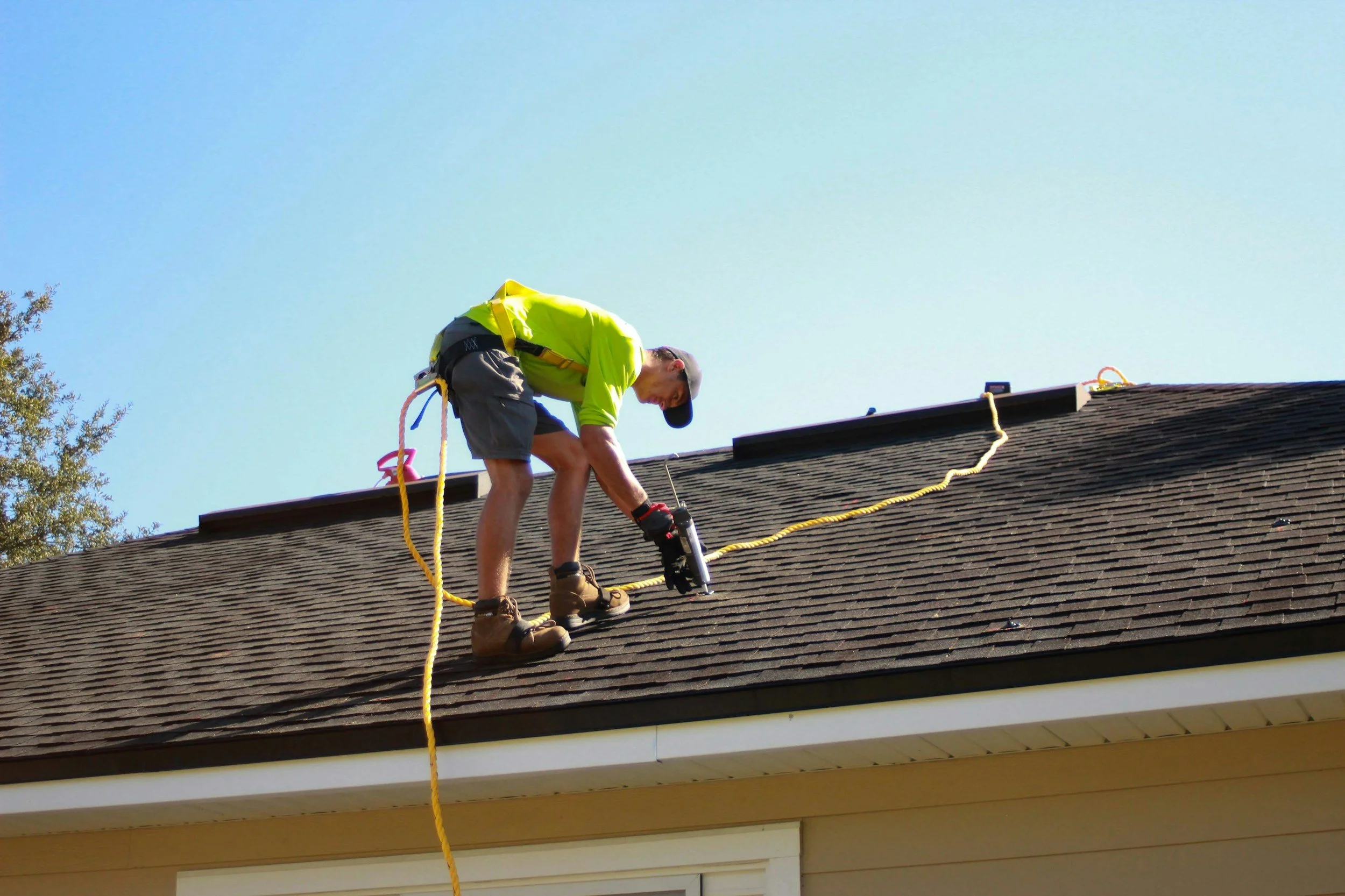
A strong storm can take a normal workday and flip it into a roof emergency in minutes. You may not see water dripping right away, but that doesn’t mean the roof made it through untouched. Hail, wind, driving rain, and flying debris can damage membranes, flashing, drains, rooftop units, and edge details quickly.
For building owners and facility teams, commercial roof storm damage is more than a repair item on a checklist. It can threaten inventory, tenant comfort, employee safety, and business revenue. Severe convective storms caused over US$60 billion in insured losses globally last year, nearly half of all insured natural catastrophe losses.
Recognizing the Real Impact of Storms on Commercial Roofing Systems
Once the clouds move out, your roof may look perfectly normal from the ground. That’s the tricky part. The storm impact on commercial roofs often hides in small details that later become expensive leaks.
Storms hit commercial roofs in different ways
Hail can bruise insulation, puncture roofing membranes, and knock protective surfacing loose. High winds can lift roof edges, pull flashing away, or shift rooftop equipment just enough to leave gaps you won’t notice from below.
Heavy rain, snow, hurricanes, and tornadoes each bring their own risks. Flat and low-slope roofs are especially exposed because water can collect around drains, seams, curbs, and penetrations. Give water a tiny opening, and it will usually find a way in.
Damage often starts small
Your maintenance team may spot loose metal, clogged drains, cracked sealant, or displaced coping. Those may look minor at first glance, but they can point to more serious damage under the surface.
When the damage covers a wider area, it is smart to plan for commercial roof damage repair before moisture spreads into insulation, decking, offices, storage areas, or tenant spaces.
So, what should you check first? Start with the obvious, then assume there may be more.
Key Signs Property Managers Shouldn’t Ignore
After a storm, your first walkthrough should be calm and careful. Rushing helps no one. Some problems will be easy to see, while others may stay hidden until the next rainfall.
Visible warning signs
Look for membrane punctures, tears, blistering, split seams, missing shingles, loose flashing, bent gutters, and debris around drains. Rooftop HVAC units, vents, skylights, and pipe boots should also be checked for movement, dents, or impact marks.
If your staff is unsure what to do after storm roof damage appears, keep it simple: document what is visible and keep people away from unsafe roof areas. No roof leak is worth an injury.
Hidden signs of trouble
Inside the building, watch for stained ceiling tiles, damp insulation odors, bubbling paint, musty air, or a sudden rise in humidity. A roof can look “fine” while trapped water is slowly moving beneath the membrane. Annoying, yes. Also very common.
Before operations fully return to normal, schedule a commercial roof inspection after storm conditions have passed and roof access is safe.
For buildings with flat or low-slope roofing systems, a professional flat roof inspection can help identify membrane damage, deteriorating flashing, blocked drainage points, and signs of water intrusion that may not be visible from the ground. A documented assessment gives property managers a clearer understanding of the roof's condition, helping them prioritise necessary repairs and plan ongoing maintenance.
From there, the next steps should be organized, not improvised.
Step-by-Step Actions After Storm Damage
A clear plan protects people, property, and your insurance position. It also keeps the situation from turning into chaos, which is helpful because chaos has never patched a roof.
Put safety first
Do not send untrained employees onto a wet, wind-damaged, or debris-covered roof. Block off interior leak areas, move inventory or equipment if it is safe, and shut down electrical hazards if water is near wiring.
Take photos and videos from safe locations. Record the date, time, weather conditions, visible damage, and any business interruption. These details may feel tedious in the moment, but they can matter later.
Bring in qualified help.
A certified commercial roofing professional can inspect membranes, flashing, drains, insulation, decking, and rooftop equipment. The inspection should be detailed enough to guide repairs and support insurance conversations.
If your property needs commercial roof storm damage repair after severe weather, keep every invoice, emergency service note, repair scope, photo, and carrier communication in one organized file. Your future self will thank you.
Once the building is stable, it is time to think beyond emergency fixes.
Repair Strategies and Long-Term Resilience
Fast repairs matter, but quick patches should not quietly become the permanent plan. A good recovery approach separates emergency stabilization from long-term roof restoration.
Temporary repairs versus permanent work
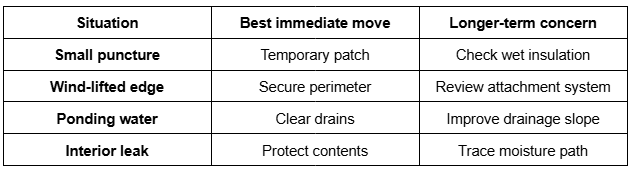
Emergency tarping, sealant, drainage clearing, and temporary patches can help stop active leaks. Permanent repairs may involve membrane replacement, flashing rebuilds, wet insulation removal, or even full roof replacement if the system is badly compromised.
The annual average for the most recent five years is 23.0 billion-dollar weather and climate disaster events in the US. That makes roof resilience feel less like a “nice to have” and more like basic business protection.
A quick comparison for decision-makers
Prevention is part of recovery
Routine maintenance, impact-resistant materials, moisture sensors, drone inspections, and AI-assisted leak detection can reduce unpleasant surprises. Green roofing and cool roof upgrades may also improve water control and energy performance.
Of course, even the best plan depends on choosing the right contractor.
Professional Help, Claims, and Business Continuity
The wrong partner can make a storm repair feel twice as hard. The right one communicates clearly, documents thoroughly, and understands how to work around occupied commercial buildings.
Choosing a roofing partner
Look for commercial roofing experience, proper licensing, insurance, safety practices, storm-response history, and strong references. Local code knowledge matters. So does the ability to mobilize quickly when a major storm has every building owner in town calling at once.
Ask who will be on site, how updates will be shared, and how emergency work will be separated from permanent repair scope.
Insurance and operations
Strong documentation can help claims move more smoothly. A roofing contractor can provide measurements, photos, repair estimates, and technical explanations, while your adjuster handles the claim decision.
Keep tenants, employees, vendors, and building users informed about access changes, noise, leaks, and repair timing. FEMA’s business continuity guidance is also a useful planning resource for emergency preparation. ([FEMA](https://www.fema.gov/business-industry))
Now, let’s cover a few questions property owners ask all the time.
Common Questions About Commercial Roof Storm Damage
What is the outlook for the commercial roofing industry?
The outlook is strong. Aging buildings, severe weather, energy upgrades, and insurance-related repairs continue to drive demand. Property owners are also thinking more seriously about roof resilience, not just basic patching.
What is a common reason for roof system failure in commercial buildings?
A common reason is deterioration and water intrusion. Once water reaches decking, insulation, or wood supports, mold and bacteria can weaken those materials. A small leak can quietly grow into a much larger roof system failure if it is ignored.
How quickly should I schedule a commercial roof inspection after storm conditions clear?
Schedule it as soon as the property is safe to access. Waiting gives moisture more time to spread, weaken insulation, and complicate insurance documentation. A prompt inspection gives you a clearer path forward.
Final Thoughts on Protecting Your Commercial Roof
Use the checklist
Storm recovery works best when the process is simple: protect people, document damage, stop active leaks, inspect the roof, and coordinate repairs with insurance requirements. Regular maintenance and stronger materials can also reduce future losses.
Make the next storm easier
Commercial roofs take a beating from wind, hail, rain, snow, and debris. A repeatable plan turns a stressful event into a controlled response. The best time to prepare is before water reaches the ceiling, not after someone places a bucket in the hallway.
