
How to Choose an Engagement Ring Your Partner Will Love: A Practical Guide
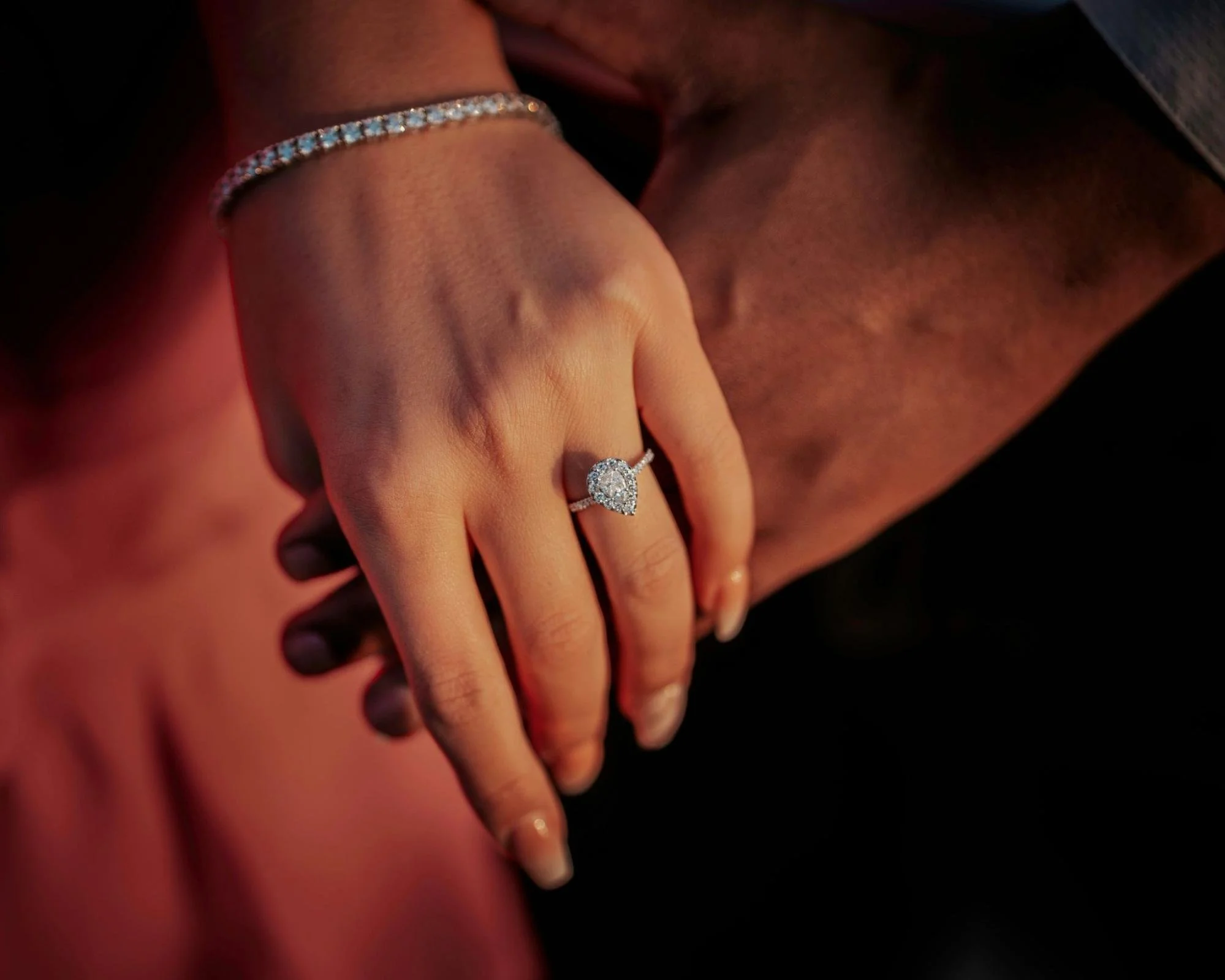
The challenge of choosing an engagement ring without the other person present is something many partners find genuinely daunting. There is a significant gap between knowing you want to propose and knowing exactly what ring will make the person you love light up when they open the box. The good news is that with a little observation, some thoughtful preparation, and the right kind of advice, most people are capable of making an excellent choice. Jewellers like Bercotts Jewellers are experienced in guiding partners through exactly this process, helping translate impressions and observations into a natural diamond ring that genuinely reflects the individual it is intended for.
Observe Before You Shop
The most reliable research for an engagement ring does not happen in a jewellery store. It happens in the months and years leading up to the proposal, in the ordinary moments where the other person reveals their taste without thinking about it. Notice the jewellery they already wear regularly. Is it delicate or substantial? Yellow gold or silver toned? Modern and minimal or more decorative and vintage? Pay attention to comments made when passing jewellery in shop windows or while scrolling through content online. These casual observations are far more revealing than any direct question, which often produces an unhelpful answer that sounds polite but offers little practical guidance.
Understanding the Main Ring Styles
Engagement rings fall broadly into a handful of categories that cover the vast majority of preferences. The solitaire places a single diamond on a plain or tapered band and is the most classic and versatile option. The halo surrounds the central stone with smaller diamonds, creating maximum visual impact for those who love jewellery that catches the light. Vintage or antique-inspired designs feature decorative metalwork and milgrain detailing that appeal to people with a romantic or nostalgic aesthetic. Contemporary geometric designs suit those who prefer clean, architectural lines. Knowing which broad category fits the recipient makes the in-store selection process considerably more focused and productive.
Choosing a Diamond That Suits the Wearer
The diamond itself should be chosen with the wearer's lifestyle and hand shape in mind as much as the stone quality alone. People with smaller hands or shorter fingers often find that elongated diamond shapes, such as oval or marquise-cut stones, create a flattering proportional effect. Those who are active with their hands in work or hobbies may prefer a lower-profile setting that is less likely to catch on clothing or surfaces during daily activity. Someone who gravitates toward understated minimal jewellery may be better suited to a smaller, higher-quality diamond than a larger stone in a more dramatic setting. Matching the stone and setting to the person produces a ring the wearer feels genuinely comfortable in.
Getting the Metal Right
The metal colour of the band is one of the most immediately visible aspects of a ring and one of the details that most clearly reflects personal taste. White gold and platinum are the most popular choices in the UK and pair well with the bright tones of near-colourless diamonds. Yellow gold has seen a strong revival in recent years, particularly among those who favour vintage or bohemian aesthetics. Rose gold offers a warm, flattering tone that works well across a wide range of skin tones and pairs beautifully with both white diamonds and alternative centrepiece stones. If the recipient already wears a lot of jewellery in a consistent metal colour, matching that preference is a reliable and thoughtful approach.
Navigating the Size Question
Obtaining the correct ring size without giving away the surprise is one of the more practically challenging aspects of buying an engagement ring covertly. Several approaches work well in practice. Borrowing a ring the person wears regularly on the correct finger and having it measured by a jeweller is the most reliable method. Asking a close friend or family member who has been let into the secret can also yield useful information. In the absence of either option, most jewellers are happy to resize a ring after the proposal, and purchasing in an approximate size with the understanding that adjustment will follow is a completely standard practice that results in no permanent issue.
Involving Them in the Final Decision
Some partners choose to propose with a placeholder ring or a loose diamond and then visit the jeweller together to select the final setting. This approach removes all uncertainty about the ring choice while still preserving the emotional significance of the proposal moment itself. Others present the ring they have chosen and then offer to exchange or adjust it if the recipient would prefer something different. Either of these approaches is entirely reasonable and increasingly common among couples. What matters most is the commitment being made, not the absolute precision of the ring choice on the day. Most people are genuinely moved by the effort behind the selection regardless of whether every detail is exactly right.
