
Why Natural Wood Flooring Remains the Most Popular Choice for Family Homes
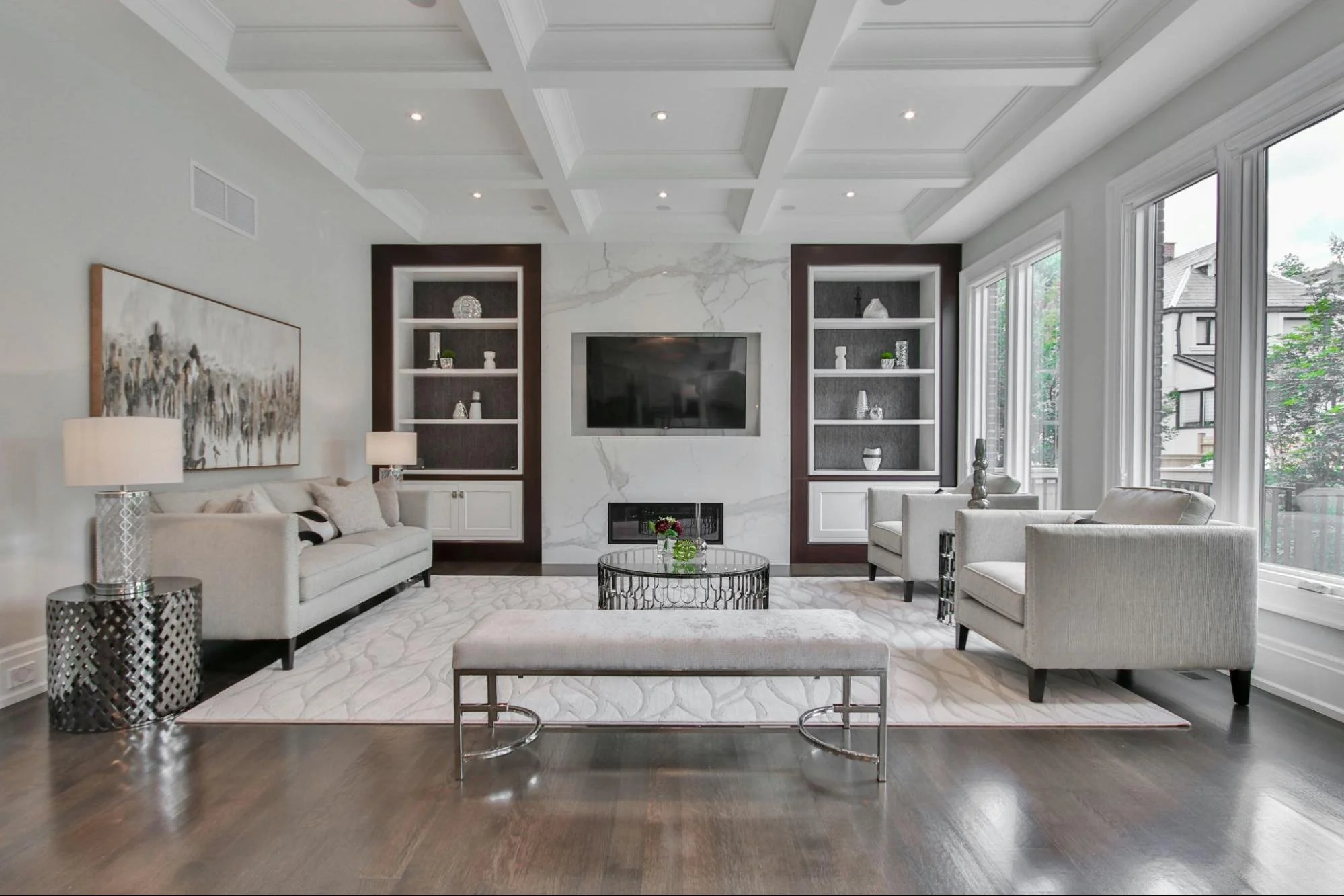
When it comes to flooring decisions that genuinely stand the test of time, natural wood remains at the top of the list for homeowners who want warmth, character and longevity in equal measure. It is a material that improves with age rather than declining, and when chosen well, it adds real value to a property. Specialists like Allfloors Glasgow offer a carefully selected range of natural wood flooring options that suit everything from period properties to contemporary new builds.
The Enduring Appeal of Natural Wood in the Home
Natural wood flooring has been used in homes for centuries, and its continued popularity is not simply a matter of tradition. It offers a visual warmth that synthetic alternatives struggle to replicate, and each board carries its own grain pattern, knot formation and tonal variation that makes the floor genuinely unique. In an era of mass-produced interiors, that individuality is something many homeowners actively seek out. A natural wood floor also ages gracefully, developing a patina over time that gives rooms a sense of history and character that no manufactured product can fully imitate.
Which Wood Species Work Best for Busy Family Households
Not all wood species are equally suited to homes with children, pets and high footfall. Harder species such as oak, ash and walnut offer greater resistance to denting and surface wear, making them the practical choice for hallways, living rooms and kitchens where activity levels are highest. Softer woods like pine offer a more rustic aesthetic but require more care to maintain their appearance in heavily used areas. Understanding the hardness rating of different species before purchasing ensures you choose a floor that holds up to the demands of your household without constant worry about marks and damage.
Solid Wood Versus Engineered Wood: What Is the Difference
Many homeowners are surprised to learn that engineered wood flooring can be indistinguishable from solid wood on the surface while offering greater stability across changing temperatures and humidity levels. Solid wood boards are milled from a single piece of timber and can be sanded and refinished multiple times over decades. Engineered boards use a real wood veneer over a stable plywood core, which makes them suitable for installation over underfloor heating and in rooms where solid wood might expand or contract excessively. Both options are genuine wood products, and the right choice depends on where the floor will be laid and how it will be used.
Finishes That Protect and Enhance Natural Wood
The finish applied to a natural wood floor has a significant impact on how it looks, feels and performs over time. Oil finishes penetrate the surface of the wood and enhance its natural appearance while protecting it within, making them easier to repair in small areas without refinishing the whole floor. Lacquer finishes create a harder surface layer that is more resistant to surface scratches and is easier to clean, making it a practical choice for households with young children or dogs. Matt finishes tend to hide everyday scuffs and marks better than high-gloss options, which is worth considering in a family setting.
Day-to-Day Care for Natural Wood Flooring
Natural wood flooring is straightforward to maintain when a few simple habits are established from the outset. Sweeping or vacuuming regularly to remove grit and dust prevents the small particles that cause surface scratching over time. Wiping up spills promptly rather than allowing moisture to sit on the surface protects against staining and edge swelling. Using felt pads under furniture legs reduces the risk of denting, particularly on softer wood species. These simple measures cost nothing and preserve the floor in excellent condition for many years, protecting the investment you have made.
The Long-Term Value of Investing in Natural Wood
Unlike carpet, which typically needs replacing every eight to twelve years, a well-maintained natural wood floor can last for the lifetime of a property. Solid wood floors can be sanded and refinished multiple times to remove accumulated wear and restore the original surface. This longevity makes natural wood a genuinely cost-effective choice over the long term despite the higher upfront investment compared to synthetic alternatives. Estate agents consistently report that natural wood flooring is one of the features buyers look for and are willing to pay a premium for, which means the investment pays back in both daily enjoyment and property value.
