
How to Remove Smoke Odor After a House Fire
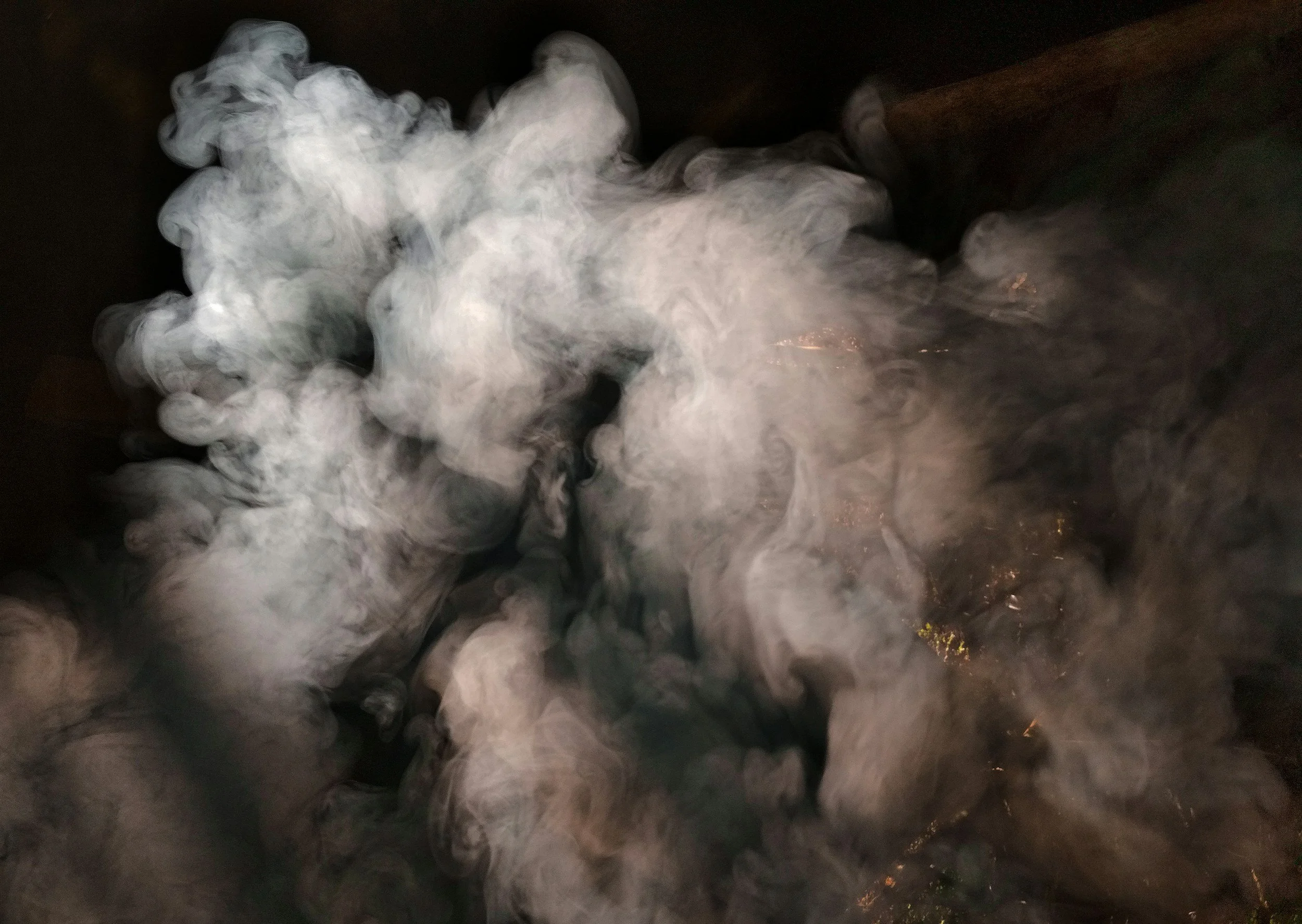
A house fire can leave behind more than charred walls and damaged belongings. Even after the flames are gone, smoke odor can linger in carpets, furniture, clothing, walls, and other porous materials. If you're wondering how to remove smoke odor after a house fire, the key is to clean the residue and treat the source instead of simply covering up the smell.
Smoke particles can settle into places you may not notice right away, including inside fabrics, cabinets, and HVAC systems. That's why opening a few windows or spraying air freshener usually isn't enough to get rid of the odor for good. With careful cleaning, proper ventilation, and professional help when needed, you can make your home cleaner and more comfortable again.
Why Does Smoke Odor Stay After a House Fire?
Smoke contains tiny particles and chemicals that can attach to many surfaces throughout your home. Porous materials such as carpet, upholstery, drywall, wood, clothing, and mattresses can absorb these particles and hold the smell for a long time. Even if a room looks clean, hidden smoke residue may still be causing that familiar burnt odor.
The type of fire also matters because different materials produce different smoke and soot residues. Smoke can also move through air vents, allowing the odor to spread to rooms that weren't directly affected by the flames. If the smell keeps coming back after cleaning, smoke residue may remain in hidden areas or inside materials that need deeper treatment.
How to Remove Smoke Odor After a House Fire
Removing smoke odor takes more than one quick cleaning session. You need to work through the property, clean affected surfaces, deal with smoke-damaged belongings, and identify areas where smoke may have traveled. If the fire caused extensive damage, it's usually safer and more effective to have a professional fire damage restoration team handle the cleanup.
1. Make Sure the Property Is Safe
Don't start deep cleaning until the property has been cleared for safe entry. Fire can weaken walls, ceilings, electrical systems, and other parts of a home that may not look damaged at first. Follow guidance from fire officials, your insurance company, and qualified restoration professionals before beginning cleanup.
2. Ventilate the Home
When it's safe to do so, open windows and doors to improve airflow and help remove airborne smoke odors. Fans can also help move fresh air through the property, but they won't remove smoke particles that have settled into materials. Good ventilation is helpful, but it should be treated as one part of the cleanup process.
3. Remove Smoke-Damaged Items
Separate heavily damaged belongings from items that may be cleaned and restored. Washable clothing, curtains, bedding, and other fabrics should be cleaned as soon as it's practical. Items with severe smoke exposure may need specialized cleaning or replacement, especially when the odor has deeply penetrated the material.
4. Clean Walls and Hard Surfaces
Smoke residue can settle on walls, ceilings, cabinets, floors, and other hard surfaces. Use cleaning products appropriate for the material and follow the directions carefully instead of scrubbing aggressively and risking additional damage. If there's heavy soot or widespread residue, professional smoke damage cleanup can provide a safer and more thorough solution.
5. Wash Fabrics and Upholstery
Carpets, furniture, curtains, mattresses, and clothing can absorb smoke odor quickly. Wash items that are safe to launder and have heavily affected upholstery or carpets evaluated before deciding whether to keep or replace them. Specialized cleaning may be necessary when ordinary washing doesn't remove the odor.
6. Check the HVAC System
Smoke can enter your heating and cooling system and spread particles throughout the home. Replace contaminated filters and avoid running an affected system until it has been inspected. If smoke entered the ductwork, professional HVAC cleaning may be necessary to prevent the odor from circulating again.
7. Use Odor Neutralizers Carefully
Air fresheners mainly cover unpleasant smells instead of removing the smoke residue causing them. Specialized deodorizing products can help after affected surfaces and belongings have been properly cleaned. Avoid using ozone generators or strong chemicals on your own, since improper use can create additional safety concerns.
8. Deep-Clean Salvageable Belongings
Furniture, decorations, electronics, and personal belongings may still be worth saving after a fire. Each item needs a cleaning method that's suitable for its material and level of smoke exposure. Professional content cleaning can be especially useful when valuable or delicate belongings have absorbed strong smoke odors.
Can You Remove Smoke Odor Without Professional Help?
Small areas with limited smoke exposure may sometimes be cleaned successfully with careful DIY methods. However, a house fire usually affects more areas than you can see, and soot may be hidden behind surfaces or inside ventilation systems. If the odor is strong, widespread, or keeps returning, getting a professional inspection is a smart move.
How Long Does Smoke Odor Last After a House Fire?
There's no exact timeline for how long smoke odor will remain because every fire is different. The fire's severity, affected materials, ventilation, and cleanup quality can all affect how quickly the smell disappears. If you still notice a strong odor after cleaning, don't just keep masking it because that can be a sign that smoke residue remains.
Common Mistakes When Removing Smoke Odor
One common mistake is relying on air fresheners, candles, or other products that simply cover the smell. Another is repainting walls before properly cleaning the smoke residue, which can leave the odor trapped underneath the new paint. It's also easy to overlook carpets, upholstery, insulation, cabinets, and HVAC systems because smoke can settle in places that aren't immediately obvious.
Conclusion
Learning how to remove smoke odor after a house fire starts with removing the smoke residue responsible for the smell. Ventilation, surface cleaning, fabric washing, HVAC inspection, and proper deodorization can all help, but extensive fire and smoke damage often requires professional treatment. If the odor won't go away or the property has significant smoke damage, contact a qualified fire damage restoration professional for a thorough assessment.
