
Choosing Family-Friendly Flooring That Lasts
Family life is hard on floors. Between spills, muddy shoes, pet claws, and the daily march of small feet, the ground takes a beating. Choosing the right surface saves money, stress, and a surprising amount of cleaning.
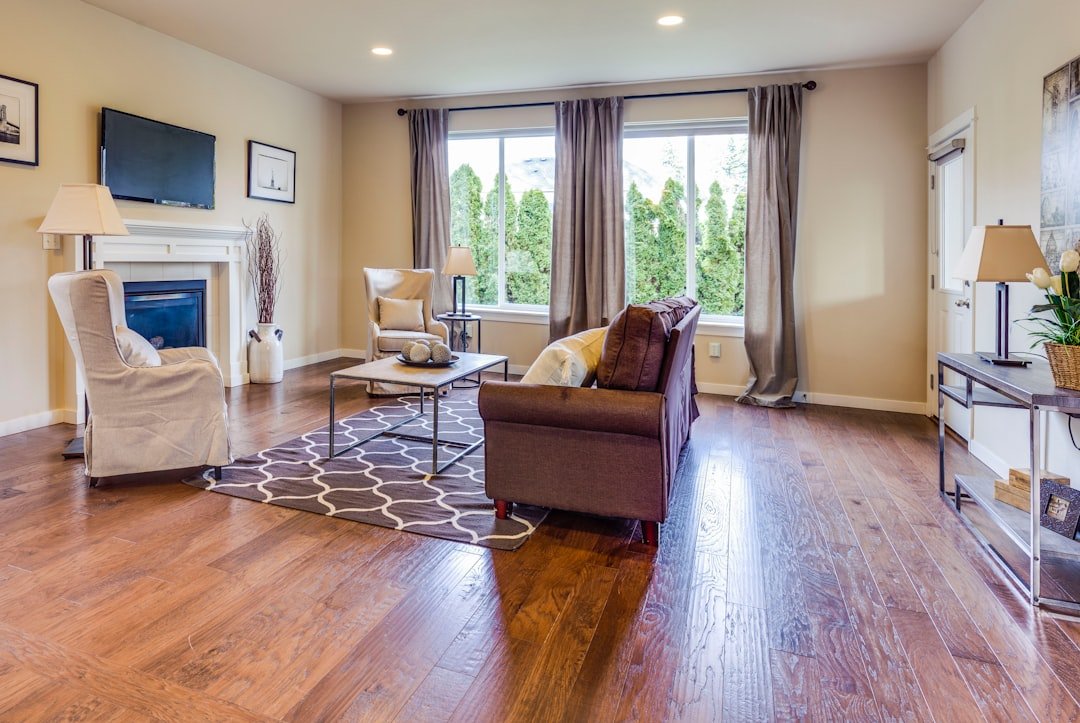
This guide walks through how to pick flooring built for real family life. The goal is a floor that is tough, healthy, easy to clean, and kind to the budget. A retailer such as Really Cheap Floors shows how affordable those qualities can be when you know what to look for.
What Makes a Floor Truly Family-Friendly?
A family-friendly floor solves four problems at once. It survives heavy use, cleans up fast, stays safe underfoot, and does not wreck the budget. Miss one of those, and daily life quietly gets harder.
Durability is the headline feature. Kids and pets test a surface in ways a quiet couple never will, so scratch and dent resistance matter enormously. A floor that looks tired in 3 years is a false economy, while a quality wear layer can hold its looks for 15 to 20 years of heavy use.
Cleaning is the close second. Grout lines, deep textures, and delicate finishes turn every spill into a project. The best family floors wipe clean in seconds and forgive the mess that childhood guarantees.
Which Flooring Types Hold Up Best?
Not every material suits a chaotic household. Some look lovely in a showroom and struggle within a month of real use. A few types consistently earn their place:
Luxury vinyl plank. Waterproof, warm, and highly scratch resistant.
Laminate. Tough and affordable, though less water friendly.
Tile. Nearly indestructible, best in kitchens and baths.
Engineered wood. Real wood looks with better stability.
Luxury vinyl plank has become the default for many families, and for good reason. It shrugs off water, resists scratches, and often costs far less than the hardwood it imitates. At roughly $2 to $5 per square foot, it undercuts solid wood by a wide margin. The easy-to-clean finishes on modern vinyl are a large part of its appeal.
Why Does Indoor Air Quality Matter for Floors?
Flooring is not just something you walk on; it is something you breathe near. Some materials release volatile organic compounds, the gases that create that new-floor smell. Volatile organic compounds are chemicals that off-gas from certain products and can affect indoor air.
For homes with young children, that detail is worth real attention. One common example, formaldehyde, can off-gas from some composite-wood floors and often runs higher indoors just after installation. Kids spend a lot of time on the floor, so the air right above it counts.
The fix is simple once you know to ask. Look for low-VOC or third-party certified products, and air out a new room well. Safe materials protect the smallest lungs in the house.
Balancing Durability and Budget
Spending more does not always buy a better family floor. The trick is matching the material to the room and the mess it will face. A smart plan beats an expensive one every time, and sound remodeling advice makes that plan easier to build.
Set your priorities before you shop, and build the choice in a sensible order:
Pick waterproof surfaces for kitchens, baths, and entryways.
Choose the toughest wear layer you can afford.
Keep a small contingency fund for underlayment and trim.
Buy 5 to 10% extra for future repairs.
Affordable does not mean flimsy. Discount and clearance flooring often carries the same wear rating as pricier lines, minus the brand markup. Comparing the wear layer, not just the price tag, is how you find real value.
Keeping Family Floors Safe and Sound
A great floor is also a safe one. Slips and trips are a genuine hazard with kids and older relatives around. A little planning keeps the surface both durable and secure.
Slip resistance deserves a look, since a glossy floor can be dangerous when wet. Product safety bodies such as the CPSC offer home safety guidance for exactly these everyday risks. Textured or matte finishes give small feet more grip.
Moisture is the other quiet threat. A slow leak under a poorly sealed floor breeds mold and warps boards. Waterproof cores and proper sealing keep that danger at bay for years.
Frequently Asked Questions
What Is the Most Durable Flooring for Kids and Pets?
Luxury vinyl plank and porcelain tile lead the pack. Both resist scratches, water, and heavy traffic, and both clean up in seconds. Vinyl plank adds a warmer, softer feel underfoot, which makes it the favorite for busy family living areas.
Is Cheap Flooring Always Lower Quality?
No. Price often reflects brand and markup rather than performance. Many budget and clearance floors carry the same wear ratings as premium lines. A 12-mil wear layer performs the same whether it sits under a designer label or a discount one. Check the wear-layer thickness and any warranty, and you can find genuinely tough flooring at a low price.
How Do I Reduce Chemical Off-Gassing From New Floors?
Choose low-VOC or independently certified products, then ventilate the room well for a few days after installation. Opening windows and running fans clears most of that new-floor smell quickly, which protects the air your children breathe most closely.
Which Floors Are Easiest to Keep Clean?
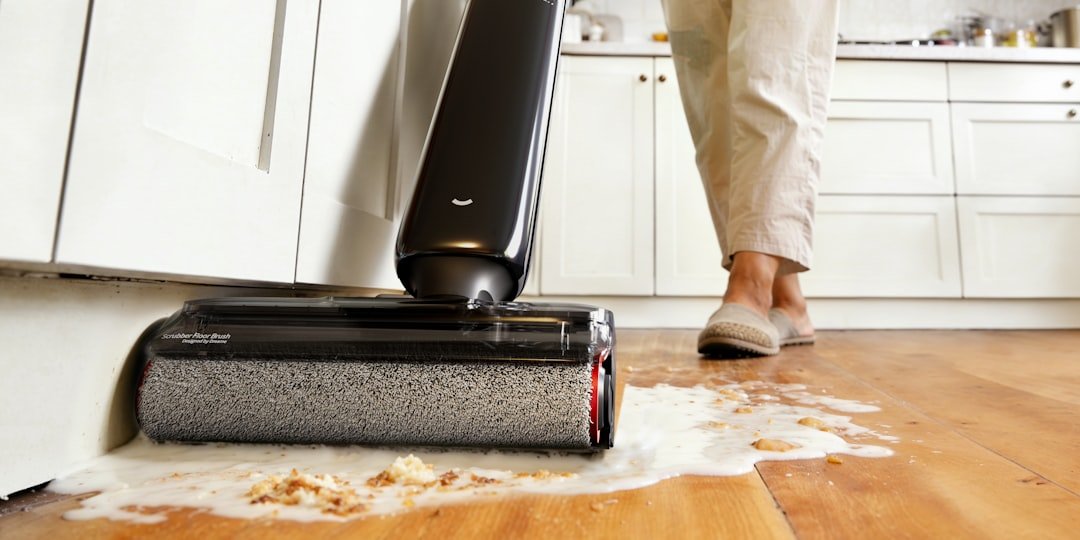
Smooth, sealed surfaces like luxury vinyl and tile win here. They have no deep grooves to trap crumbs and wipe clean with a damp mop. Avoid heavy textures and high-maintenance finishes if fast cleanup is your priority.
Building a Home That Handles Real Life
The right family floor is not about chasing the most expensive option. It is about matching a tough, healthy, easy-clean surface to the way your household actually lives. Weigh durability, air quality, safety, and budget together, and the choice becomes clear. The payoff is a calmer home and one less thing to replace before its time. Choose well, and your floors will handle years of real family life while still looking good.
