
How Your Brain Can Fall Asleep Behind the Wheel Without You Knowing It
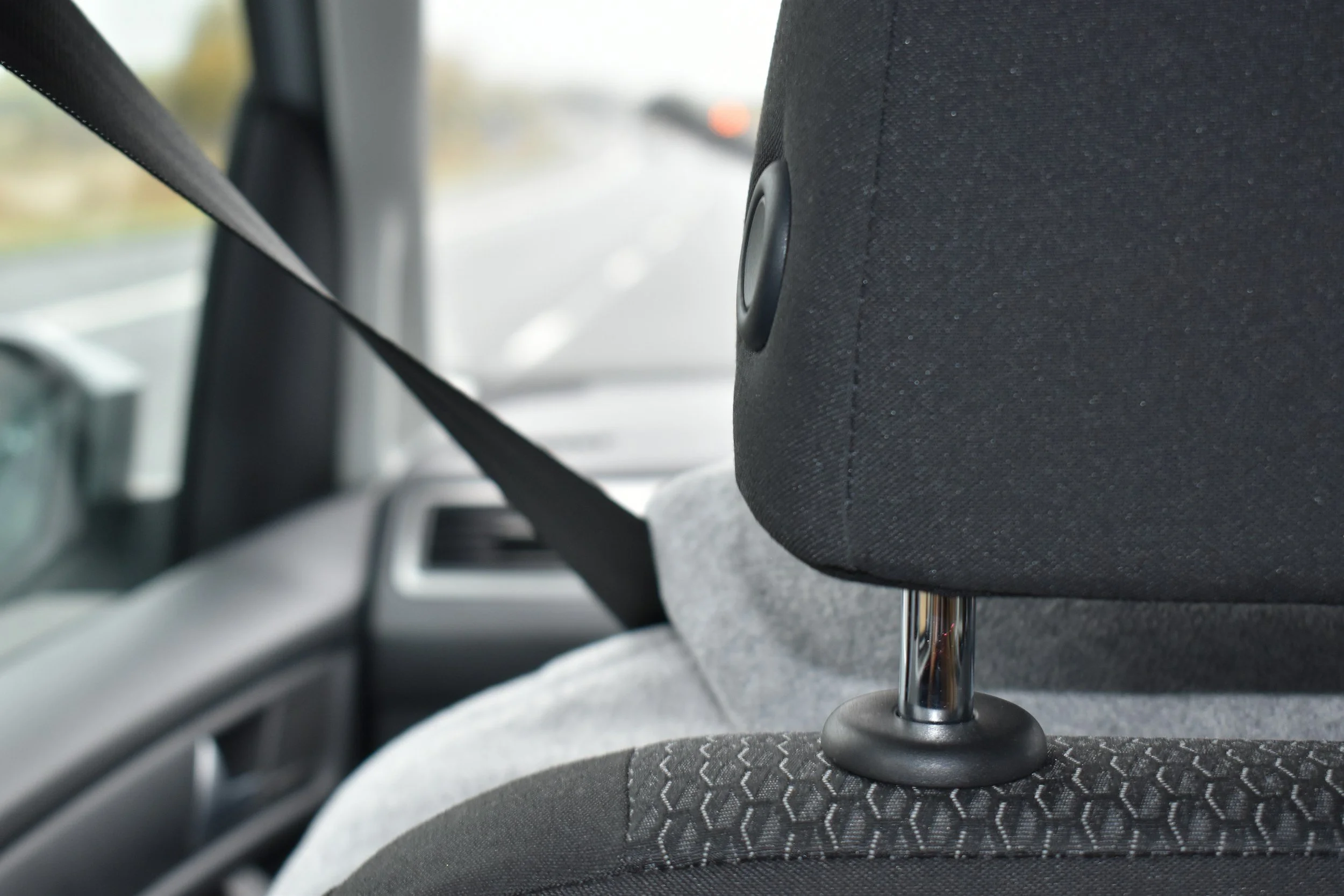
Imagine cruising down a highway with your eyes open, hands on the wheel, and no memory of the last few seconds. It sounds impossible, yet it happens to exhausted drivers more often than most people realize. The culprit is something called microsleep.
A microsleep is a brief episode, often lasting just a few seconds, when the brain essentially switches off. The eyes may stay partly open, and the person may not even notice it happened. They simply snap back, sometimes with a jolt.
Behind the wheel, those few seconds can be catastrophic. A car keeps moving at full speed while nobody is truly in control. That's what makes extreme tiredness so dangerous, and so easy to underestimate, especially on long, familiar drives.
What Actually Happens to the Brain When You're Exhausted?
Sleep deprivation affects the brain in ways that look a lot like intoxication. Alertness drops, reaction times slow, and information processing takes a hit. According to the CDC, staying awake for 24 hours can impair driving about as much as a blood alcohol level above the legal limit.
Decision-making suffers too. Tired drivers are more likely to misjudge distances, take risks, or react poorly to unexpected situations. Focus fades, and attention starts wandering even when the driver is trying hard to concentrate on the road.
Over time, driver fatigue can lead to dangerous lapses in awareness, from drifting thoughts to full microsleeps. Those lapses often arrive without warning, and by the time a driver notices them, the vehicle may already be in trouble.
How Far Can a Car Travel During a Three-Second Microsleep?
The math is sobering. At 60 miles per hour, a car covers about 88 feet every second. A three-second microsleep means traveling roughly 264 feet, close to the length of a football field, with nobody actively steering or watching the road.
At 70 miles per hour, that distance climbs past 300 feet. In that stretch, traffic can slow, a curve can appear, or another vehicle can drift into the lane. A sleeping driver can't brake, steer, or respond to any of it.
That's why even brief lapses can be devastating. A car may drift across the center line, leave the road, or rear-end slower traffic. Fatigue-related crashes often involve little or no braking, which can make the impact especially severe.
Why Drivers Often Don't Realize How Tired They Really Are
Exhaustion impairs the very judgment needed to recognize it. Tired drivers often rate themselves as more alert than they actually are, which leads them to keep going when they should stop. Feeling okay isn't the same as being okay.
The body's internal clock plays a role too. Circadian rhythms naturally make people sleepier in the middle of the night and during an afternoon dip. Long, monotonous highways with little scenery or traffic can make that drowsiness even harder to fight.
Many drivers rely on quick fixes like rolling down the windows or cranking up the music. Those tricks might feel helpful for a moment, but they don't reliably overcome real exhaustion. The only true fix for sleepiness is actual sleep.
The Warning Signs That Should Never Be Ignored
The body usually sends signals before a microsleep hits. Frequent yawning, heavy eyelids, rubbing the eyes, and trouble keeping the head up are all red flags. So is struggling to remember the last few miles of the drive.
Driving behavior offers clues too. Drifting between lanes, hitting rumble strips, tailgating without meaning to, or missing an exit can all point to dangerous fatigue. Any of these signs means it's time to stop driving as soon as it's safe.
The safest response is to pull over somewhere secure and rest. A short nap can help in the moment, and caffeine may provide a temporary boost, but neither replaces adequate sleep. Planning trips around rest, or sharing driving duties, makes a big difference.
Conclusion
Microsleeps are sneaky and dangerous. They can strike without warning, last only seconds, and leave a car traveling hundreds of feet with nobody truly in control. That's a risk every tired driver takes on, whether they realize it or not.
The hardest part is that fatigue clouds the judgment needed to recognize it. Drivers who feel fine may already be impaired, and familiar tricks like cold air or loud music can't hold off real exhaustion for long.
Recognizing the warning signs early and choosing not to drive while dangerously tired can prevent serious collisions. Pulling over, resting, or handing the keys to someone else isn't a sign of weakness. It's one of the smartest decisions a driver can make.
