
Intermodal Trucking 101: How the Right Carrier Keeps Your Freight Moving Smoothly
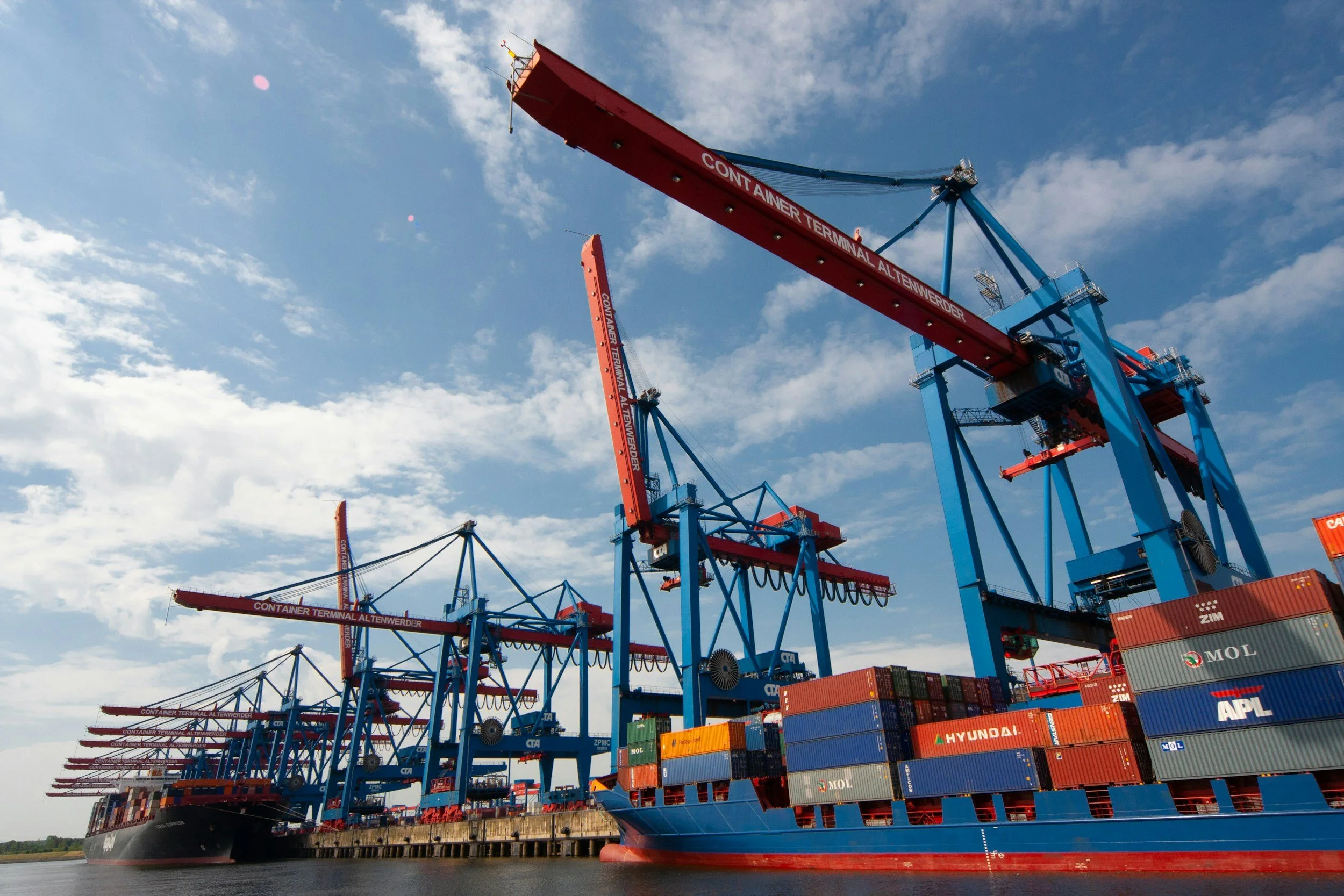
Intermodal trucking companies operate multiple transpiration modes within a single standardized container. Rail, truck, and sometimes ocean vessels each handle a segment of the journey. The system offers cost and capacity advantages, but only when each handoff executes without disruption. Most shipping failures trace back not to the mode itself, but to the carrier managing it. Understanding what separates a capable intermodal carrier from an unreliable one starts with the fundamentals.
What Is Intermodal Trucking and How Does It Work?
Intermodal truck is a freight transportation method that moves cargo using two or more distinct modes of transport, most commonly a combination of truck, rail, and ocean vessel, without handling the freight itself when changing conveyances. Instead, standardized containers transfer between carriers, preserving cargo integrity while reducing loading time and labor costs.
The process begins when a drayage truck picks up a loaded container and delivers it to a rail terminal or port. A rail or ocean vessel then transports the container over long distances, leveraging cost efficiencies unavailable to single-mode carriers.
Upon arrival, another drayage truck completes last-mile delivery. This structure expands modal transportation options for shippers managing complex supply chains. Carriers offering integrated freight forwarding solutions coordinate each handoff, ensuring seamless shifts between modes. Proper documentation, container tracking, and scheduling synchronization are essential components that determine overall system performance and reliability.
How Drayage Fits Into the Intermodal Process
Drayage serves as the critical connective tissue between long-haul transport modes and their origin or destination points within an intermodal system. Operationally, drayage involves short-distance trucking movements, typically under 100 miles, that reposition containers between rail yards, ports, warehouses, and distribution centers.
Within intermodal logistics, drainage occurs at two distinct junctures: the first mile, where freight moves from shipper to intermodal terminal, and the last mile, where containers transfer from terminal to consignee. Each movement demands precise scheduling coordination, accurate container tracking, and strict port or terminal compliance.
Drayage process optimization focuses on reducing chassis wait times, minimizing terminal dwell, and synchronizing pickup windows with rail departure schedules. Efficient drayage operations depend on carrier visibility systems, pre-pulled container staging, and real-time communication between terminal operators and dispatch teams. Breakdowns at either intermodal junction cascade into downstream delays, making drayage performance a measurable indicator of overall supply chain reliability.
Intermodal vs. Truckload: Which Makes Sense for Your Freight?
Choosing between intermodal and truckload shipping requires a structured evaluation of lane distance, transit time sensitivity, freight volume, and cost tolerance. Truckload cost considerations favor time-critical shipments on shorter lanes, typically under 500 miles, where direct routing and faster delivery outweigh rate premiums. Truckload also provides superior flexibility for irregular freight dimensions or expedited requirements.
Intermodal volume flexibility becomes advantageous on long-haul corridors exceeding 750 miles, where rail-based linehaul rates reduce per-unit costs substantially. High-volume, non-time-sensitive freight moves efficiently through intermodal networks when transit windows of two to five additional days are operationally acceptable.
Shippers must assess load consistency, origin-to-destination corridor density, and rail service reliability before committing to either mode. Hybrid strategies, routing stable, predictable lanes intermodally while reserving truckload for volatile or expedited needs, allow supply chains to optimize cost and service simultaneously without sacrificing operational continuity.
The Carrier Qualities That Keep Intermodal Freight on Schedule
Once a shipper commits freight to an intermodal lane, execution quality shifts from strategic planning to carrier performance. The carrier's operational competencies determine whether freight arrives within acceptable windows or accumulates costly delays across transfer points.
Several carrier qualities directly influence on time delivery in intermodal operations. First, established relationships with Class I railroads provide carriers with priority access to equipment and departure windows. Second, drayage network density guarantees tractors are positioned near origin ramps and destination facilities without excessive repositioning lag. Third, real-time visibility systems allow carriers to monitor container status across each handoff node.
Flexible scheduling capabilities are equally critical. Carriers that maintain extended pickup and delivery windows, manage transload contingencies, and adapt to rail schedule disruptions demonstrate operational resilience. Shippers should evaluate carrier performance metrics, specifically on time delivery rates, drayage completion percentages, and exception response times, before committing volume to any intermodal program.
The Fees and Contract Traps Most Intermodal Shippers Miss
Many shippers enter intermodal contracts focused on linehaul rates while overlooking the fee structures and contractual provisions that erode margin over time. Fuel surcharge calculations represent one of the most consequential variables, as carriers apply differing index bases, update frequencies, and percentage brackets that compound costs across high-volume lanes. Shippers who fail to standardize the index reference and cap structure expose themselves to unpredictable cost escalation.
Accessorial fee transparency is equally critical. Detention, chassis split charges, pier passes, and terminal handling fees often appear as loosely defined line items within contract appendices. Without explicit definitions, caps, and dispute resolution clauses, carriers retain broad discretion in applying these charges.
Contract review should also target auto-renewal clauses, minimum volume commitments, and force majeure language, each of which can bind shippers to unfavorable terms during market shifts. Systematic contract auditing prior to execution remains the most effective defense against these embedded cost exposures.
Why the Right Carrier Prevents Costly Intermodal Delays
Protecting margin through disciplined contract management addresses cost exposure on paper, but operational performance depends on carrier selection before a single container moves. Carriers lacking established railroad relationships, adequate chassis pools, and proven port connections introduce structural delay risk that contracts cannot fully remediate after the fact.
The right carrier mitigates these vulnerabilities through extensive tracking visibility, giving shippers real-time container positioning data across every intermodal segment. This transparency enables intervention before minor exceptions escalate into detention charges or missed delivery windows.
Equally critical are proactive communication updates, which inform shippers of equipment shortages, rail congestion, or terminal holds before cascading consequences compound. Reactive carriers report problems; qualified carriers anticipate them.
Vetting criteria should include on-time performance metrics, lane-specific volume commitments, technology infrastructure, and documented contingency protocols. Carrier capability directly determines whether intermodal's cost advantages materialize operationally or erode through preventable service failures.
How to Vet and Choose an Intermodal Carrier
Selecting an intermodal carrier requires evaluating specific operational capabilities rather than relying on general reputation or price positioning alone. Shippers should assess drayage coverage across targeted rail corridors, confirming that the carrier maintains established relationships with Class I railroads and regional short-line operators.
Carrier reputation warrants structured investigation beyond surface-level testimonials. Reviewing on-time performance metrics, container tracking accuracy, and documented exception handling protocols provides measurable insight into operational consistency. References from shippers operating in comparable freight lanes and volume profiles carry considerably more analytical weight than general endorsements.
Customer communication standards demand equal scrutiny. Carriers should demonstrate proactive status updates, defined escalation procedures, and accessible account management contacts. Evaluating technology integration capabilities, including EDI compatibility and real-time visibility platforms, helps determine whether the carrier can align with existing logistics infrastructure. Vetting should culminate in a structured scorecard comparing multiple carriers across standardized criteria before any contractual commitment is made.
Related:
