
Solar Jobs and Steel Shows: Where Construction Pros Find Their Next Big Opportunity
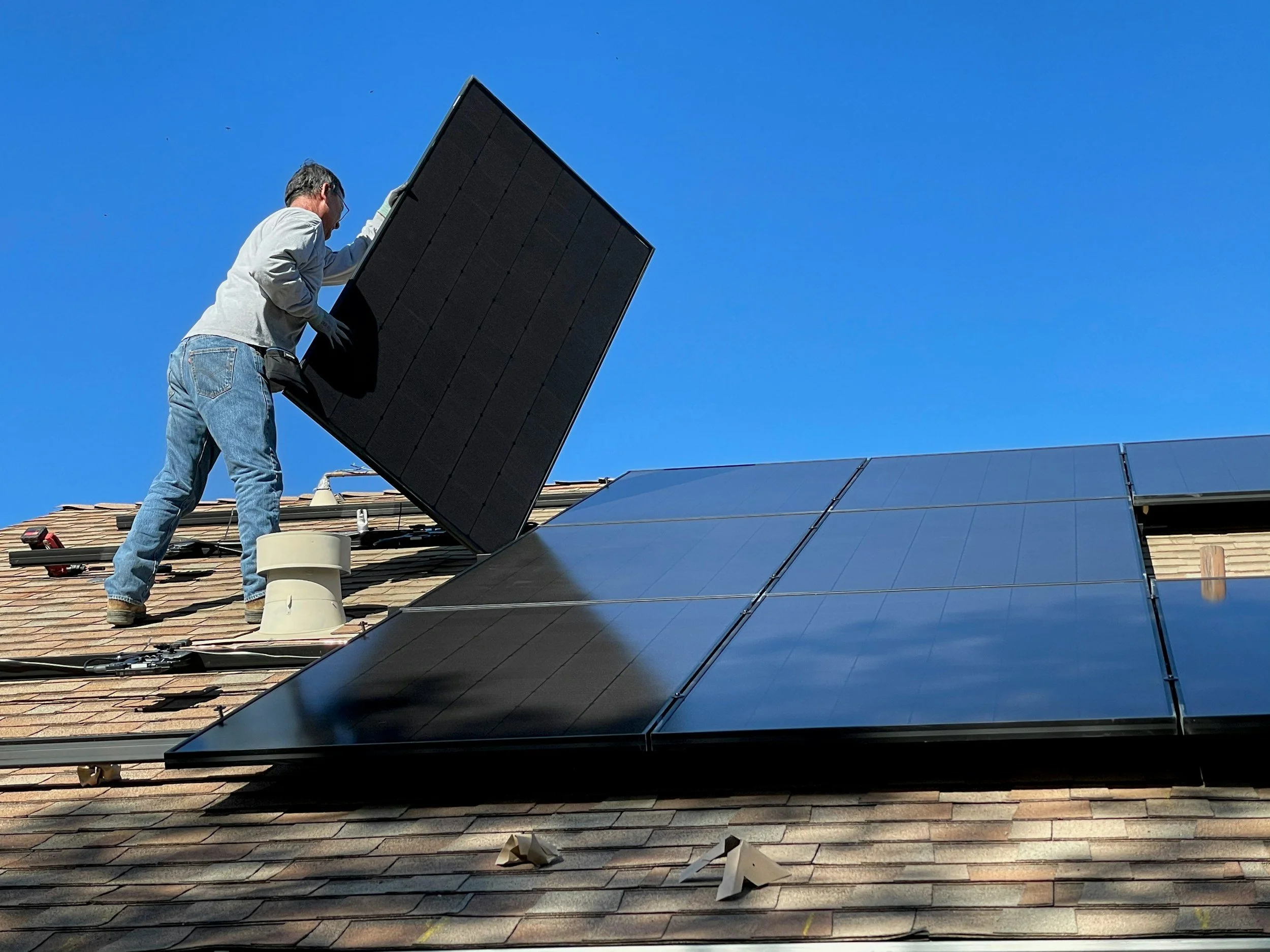
The construction industry is shifting. Solar projects are multiplying across the country, and trade shows connecting steel and manufacturing professionals are becoming serious sourcing grounds for new work. That same demand shows up at the residential level, where homeowners increasingly install equipment like a 400 watt solar panel to cover everything from cabins to backup power setups. Skilled tradespeople who understand where to look are finding opportunities that rival, and sometimes exceed, what traditional construction has offered. The path forward requires knowing which certifications matter, which events deliver real leads, and how to position existing skills for a market that is actively hiring.
Why Solar Construction Jobs Are Growing Faster Than Almost Any Trade
Solar construction jobs are expanding at a rate that outpaces nearly every other trade in the building industry, driven by a convergence of federal incentives, falling equipment costs, and aggressive state-level renewable energy mandates. The Inflation Reduction Act extended and expanded tax credits that have directly accelerated both utility scale solar projects and residential solar installations across every region of the country. It is easy to find solar jobs in Florida in 2026.
For construction professionals, this translates into sustained demand rather than a short-term spike. Utility scale solar projects require electricians, civil crews, steel erectors, and project managers for months-long deployments. Residential solar installations create steady workflow for roofing contractors, electricians, and general laborers in suburban and rural markets alike.
The Bureau of Labor Statistics projects solar installer roles among the fastest-growing occupations through 2032. Contractors who position themselves now, obtaining relevant certifications and building relationships with solar developers, stand to capture consistent, well-compensated work as the pipeline continues expanding.
Which Trades Solar Projects Actually Hire the Most
Four trades dominate the hiring landscape on solar construction sites: electricians, civil and grading crews, structural steel erectors, and equipment operators. Each fills a distinct role tied directly to project sequencing and scale.
Electricians lead in sheer volume. Solar panel installation demands licensed journeymen and apprentices at every phase, from low-voltage wiring to utility interconnection. Solar system design increasingly requires electricians who understand both AC and DC configurations, making cross-trained workers especially competitive.
Civil and grading crews establish site infrastructure before any racking goes up. Their work determines project timelines more than most trades acknowledge.Structural steel erectors handle racking systems, trackers, and mounting assemblies, physically demanding, technically specific work that short-staffed crews consistently struggle to fill.
Equipment operators move materials, grade terrain, and support foundation work across sprawling acreage. Projects spanning hundreds of acres keep operators continuously deployed throughout construction. Contractors hiring across these four trades consistently report faster project completion and fewer costly delays.
What Solar Construction Jobs Pay vs. Traditional Trades
Knowing which trades get hired most on solar sites matters little without understanding what those positions actually pay compared to conventional construction work. Average solar construction wages now align closely with, and sometimes exceed, traditional trade pay scales. Electricians working utility-scale solar installations frequently earn between $28 and $42 per hour, comparable to commercial electrical work.
Ironworkers and structural welders installing racking systems typically match their counterparts on steel building projects. However, competitive solar construction salaries vary markedly by region, project scale, and union affiliation. States with aggressive renewable energy mandates, including California, Texas, and New York, tend to offer stronger compensation packages. Prevailing wage requirements on federally funded projects further elevate earnings potential.
Laborers new to solar should expect entry-level rates similar to general construction, with advancement opportunities accelerating as solar project pipelines expand. The financial case for shifting into solar work continues strengthening across most trade categories.
How to Get Solar Construction Work With Zero Experience
Breaking into solar construction without prior experience remains more achievable than most job seekers assume, primarily because the industry's rapid expansion has outpaced its available skilled workforce. Contractors actively recruit candidates willing to train, making skill development opportunities more accessible than in saturated traditional trades.
Several career change strategies yield consistent results. NABCEP entry-level certifications signal commitment to employers without requiring field history. Union apprenticeship programs, particularly IBEW locals expanding into renewables, provide paid on-the-job training alongside classroom instruction. Community college programs offering solar installation certificates typically run eight to sixteen weeks.
Job seekers should target residential solar installers first, where smaller crew sizes accelerate hands-on learning. Laborer positions on utility-scale solar farms also provide immediate site exposure. Framing, roofing, or electrical backgrounds transfer directly and command higher starting wages. Candidates without construction backgrounds should emphasize physical fitness, reliability, and willingness to work variable outdoor schedules when approaching hiring managers.
Which Solar Certifications Actually Get You Hired?
Certifications vary considerably in their actual hiring impact, and understanding which credentials employers prioritize saves job seekers time and tuition costs. Among solar industry certifications, NABCEP (North American Board of Certified Energy Practitioners) consistently ranks highest with hiring managers. The PV Installation Professional credential signals technical competence that contractors trust on commercial and utility-scale projects.
OSHA 10 and OSHA 30 remain non-negotiable baseline requirements across most solar construction sites. Electricians pursuing solar work benefit from adding the NABCEP PV Associate credential as an entry-level differentiator.
Solar project management skills are increasingly valued as companies expand operations. The NABCEP PV System Inspector certification appeals specifically to those moving into quality control and inspection roles.
Employers at steel trade shows frequently cite credentials alongside hands-on hours when screening candidates. Workers who combine certifications with documented field experience consistently outperform those holding credentials alone. Strategic certification selection accelerates hiring timelines considerably.
Where Solar Projects Are Concentrated Across the U.S
Solar development activity clusters heavily in a handful of states, and workers who position themselves in those markets gain direct access to the highest project volumes. Regional solar installation trends consistently point to Texas, California, Florida, Arizona, and Nevada as dominant construction zones, driven by favorable land availability, grid infrastructure, and policy frameworks.
State level solar incentive programs profoundly shape where developers commit capital. States offering renewable portfolio standards, net metering policies, and direct tax credits accelerate permitting timelines and attract utility-scale contracts. Texas leads in raw megawatt additions, while California maintains density through commercial and residential retrofits.
The Southeast is emerging rapidly, with Georgia and North Carolina drawing substantial investment. Construction professionals tracking utility-scale project pipelines through resources like the Lawrence Berkeley National Laboratory's Tracking the Sun database can identify precisely where labor demand will peak. Geographic targeting remains one of the most effective strategies for securing consistent solar employment.
What Steel and Manufacturing Trade Shows Actually Deliver
Geographic awareness drives opportunity in solar, but workers building careers across the broader energy and industrial construction sectors have another tool worth understanding: steel and manufacturing trade shows. These events function as concentrated intelligence hubs where contractors, fabricators, and skilled tradespeople access emerging information about manufacturing processes and technological advancements reshaping project requirements.
Attendees gain direct exposure to updated equipment specifications, material handling innovations, and structural fabrication techniques increasingly relevant to large-scale energy infrastructure builds. Hiring managers from major industrial contractors frequently attend these shows specifically to identify qualified candidates demonstrating technical fluency.
For construction professionals, the practical value extends beyond networking. Understanding steel production timelines and supply chain developments directly informs project scheduling decisions. Workers who track technological advancements in prefabrication and modular construction position themselves for roles demanding higher technical competency. Trade shows compress months of industry research into a few focused days, delivering measurable professional advantage.
Steel and Manufacturing Trade Shows Worth Attending This Year
Several trade shows stand out as particularly valuable for construction and manufacturing professionals traversing the current industrial landscape. FABTECH, North America's largest metal forming and fabricating event, consistently delivers substantive exposure to emerging steel technologies and connects contractors with equipment suppliers driving industry transformation.
The Steel Technologies Conference offers deep-dive sessions on innovative manufacturing processes, attracting engineers and procurement specialists seeking competitive advantages. AISTech, hosted by the Association for Iron and Steel Technology, draws global participants focused on production optimization and workforce development. The International Manufacturing Technology Show provides cross-industry perspectives particularly relevant to professionals managing both fabrication and construction pipelines.
Registration timing matters considerably. Early attendance at pre-conference workshops frequently grants networking opportunities unavailable during general sessions. Professionals should prioritize shows aligned with their specific regional markets and project pipelines, ensuring travel investment translates directly into actionable supplier relationships, technology insights, and potential hiring connections supporting business growth.
How to Work a Trade Show and Leave With Leads
Attending a trade show without a lead-generation strategy wastes both time and registration fees. Construction and solar professionals who maximize results arrive with clear goals, targeted contact lists, and rehearsed elevator pitches tailored to their specific niche, whether solar installation, structural steel, or commercial fabrication.
Effective networking strategies include scheduling meetings before the event opens, visiting competitor booths to identify market gaps, and collecting business cards with handwritten notes for follow-up context. Badge scanners and QR-coded portfolios streamline contact capture considerably.
Leveraging social media amplifies booth visibility and extends conversations beyond the exhibit floor. Posting live updates, tagging exhibitors, and using event hashtags attracts inbound interest from attendees not yet encountered. LinkedIn remains the strongest platform for post-show connection requests and follow-up messaging.
Within 48 hours of the event, professionals should send personalized follow-up emails referencing specific conversations, converting warm contacts into qualified leads before momentum fades.
How to Build a Construction Career That Spans Solar and Steel
Few construction professionals realize that experience in structural steel and solar installation can compound into a career trajectory far more resilient and lucrative than either discipline offers alone. Contractors who develop fluency in both sectors position themselves ahead of workforce trends, since solar infrastructure increasingly depends on steel racking systems, mounting frameworks, and engineered support structures.
Professionals should pursue certifications in both disciplines simultaneously rather than sequentially. NABCEP credentials pair naturally with AWS welding qualifications, creating a portfolio that general contractors actively seek when bidding on commercial solar projects.
Staying current with emerging construction techniques, particularly hybrid structural systems combining lightweight steel with photovoltaic integration, expands project eligibility considerably. Familiarity with new materials innovation, including advanced coated steels and bifacial panel mounting hardware, signals technical depth that commands higher rates. Trade shows in both industries serve as direct pipelines to employers, subcontracting opportunities, and continuing education that accelerates this dual-sector career development.
Related:
