
Photographing Rome's architecture: tips and recommendations
This is a contributed post.
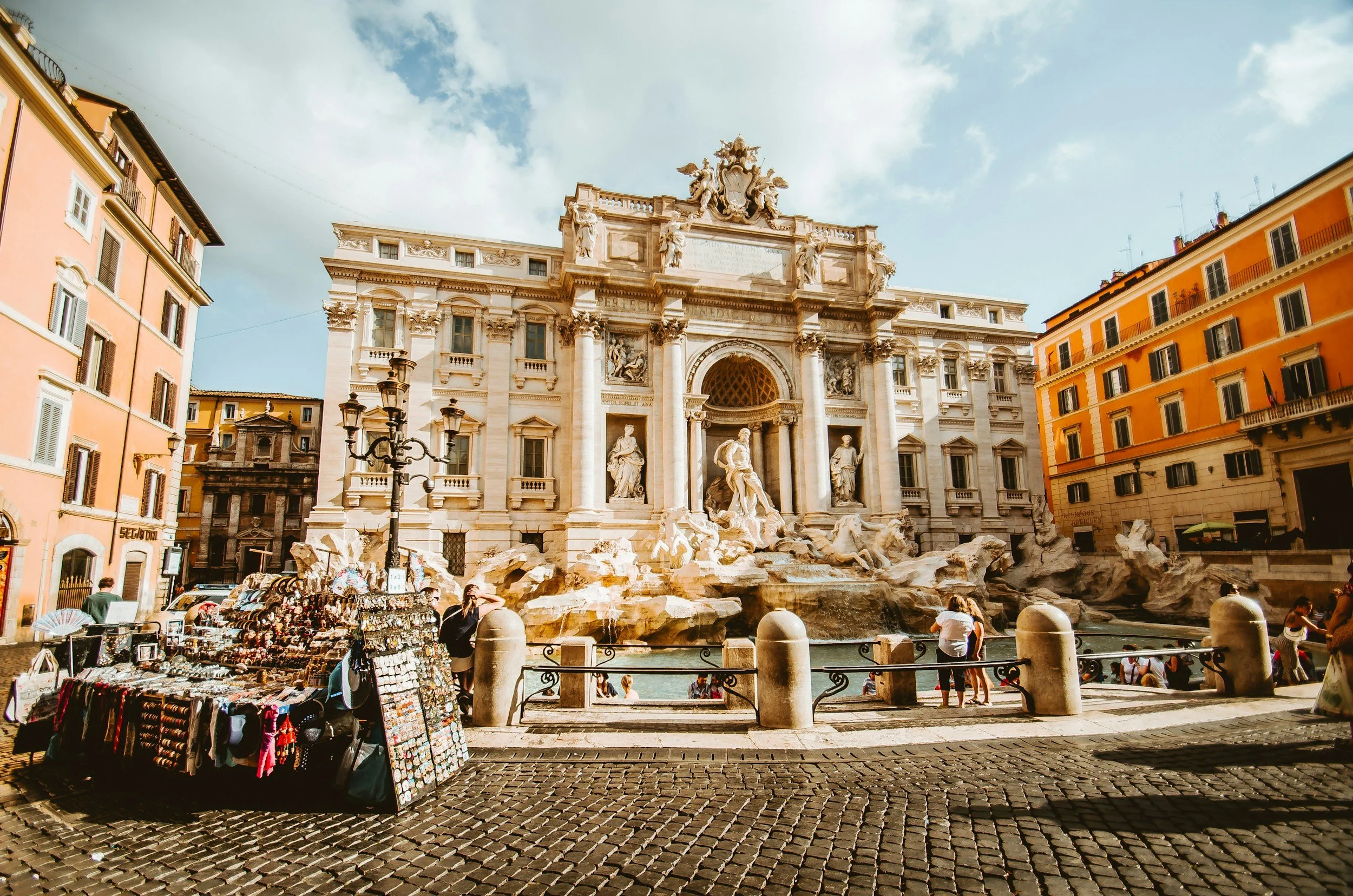
Rome, the Eternal City, is a dream destination for photographers. Its rich history, diverse architecture, and stunning landmarks offer endless opportunities to capture breathtaking images. Whether you're a seasoned professional or an enthusiastic amateur, photographing Rome’s architecture requires careful planning and an understanding of how to make the most of the city's unique features.
In this guide, we'll share some practical tips and recommendations for photographing the architectural wonders of Rome. Whether you're aiming to capture ancient ruins or Baroque masterpieces, these insights will help you take your photos to the next level.
As a Rome photographer - Mike Kire has mastered the art of capturing the essence of this city. His portfolio showcases his ability to highlight both the grandeur and the subtle beauty of Roman architecture. For those looking to emulate his style, we’ll offer some advice on how to approach your shots, what to focus on, and how to use light to your advantage.
Understanding Rome’s architectural diversity
One of the reasons Rome stands out as a photography destination is its architectural diversity. From the classical grandeur of the Colosseum to the intricate Baroque designs of St. Peter’s Basilica, the city’s buildings span thousands of years of architectural evolution.
When photographing Rome, it's essential to understand the different architectural styles that make up its urban landscape:
Ancient Roman architecture: The Colosseum, the Pantheon, and Roman forums showcase monumental designs, large arches, and detailed sculptures.
Renaissance architecture: Influenced by classical forms, these buildings often feature symmetry and geometric shapes, as seen in St. Peter’s Basilica.
Baroque architecture: Known for its dramatic use of space, light, and shadows, Baroque churches like Sant’Ivo alla Sapienza offer exceptional photo opportunities.
Knowing which style you’re capturing can help you decide on the appropriate technique, lighting, and composition for your shots.
Best times for photographing Roman architecture
Timing is critical in architectural photography. To showcase Rome’s buildings in the best light, you’ll want to consider the following:
Golden hour and blue hour
The soft, warm light during the golden hour (shortly after sunrise or before sunset) enhances the texture and details of Roman architecture. During the blue hour, the sky takes on a deep blue hue, providing contrast against the warm lights from the buildings. This is especially magical for capturing the city’s ancient landmarks.
Midday for sharp contrasts
While midday light can be harsh, it offers an excellent opportunity for creating sharp contrasts. The sun’s direct light casts strong shadows, which can emphasize architectural details and textures.
Night photography
Many of Rome’s iconic buildings are beautifully lit at night. Experiment with long exposures to capture the glowing lights and the serene atmosphere of places like the Trevi Fountain or the Spanish Steps.
Composing your shots
Composition is key when photographing any subject, but it’s especially important in architectural photography, where lines, shapes, and perspective can dramatically alter the outcome of your photo.
Use leading lines
Leading lines guide the viewer’s eye through the image. Roman streets, bridges, and walkways often have perfect lines that draw attention to key elements like the Colosseum or St. Peter’s Square. Use these lines to create depth in your photos.
Find interesting angles
Don’t be afraid to explore unconventional perspectives. Get low to the ground to capture the full scale of a building or shoot from above to show the layout of ancient ruins like the Roman Forum.
Symmetry and balance
Many Roman buildings are designed with symmetry in mind, making them perfect subjects for balanced shots. The Pantheon, for example, can be beautifully framed by centering the door and archway.
Lighting techniques for architectural photography
Lighting is one of the most important elements when photographing buildings. Understanding how light interacts with structures will allow you to create dynamic and impactful images.
Natural light
Rome’s abundant sunlight is perfect for architectural photography. The warm tones of the city come alive in natural light, particularly during the golden hour. Experiment with shadows and reflections to bring out textures in the architecture.
Artificial lighting
If you're shooting at night or indoors, use artificial lighting to highlight architectural details. Long exposure shots can help capture the motion of passing crowds while keeping the architectural features sharp and defined.
Avoid harsh midday light
While it can create strong contrasts, midday light can also lead to overexposed highlights and deep shadows. Try to avoid shooting directly into the sun, and instead focus on capturing the light that filters through buildings or illuminates interesting details.
Must-visit architectural landmarks in Rome
If you’re planning a trip to Rome specifically for photography, you won’t want to miss these architectural gems:
The Colosseum: A symbol of ancient Rome, this amphitheater offers endless opportunities for striking shots. Capture its grandeur from different angles, both inside and out, to showcase its size and intricate architecture.
The Pantheon: Known for its massive domed roof and stunning portico, the Pantheon is a must-see for any architecture photographer. Be sure to capture its iconic oculus and the interplay of light and shadow inside.
St. Peter’s Basilica: With its Renaissance beauty and Baroque additions, St. Peter’s Basilica is one of Rome’s most impressive buildings. The grand interior and stunning facade are perfect for both wide-angle shots and detailed close-ups.
The Roman Forum: Walk among the ancient ruins of the Roman Empire and capture the remnants of temples, columns, and arches that tell the story of Rome’s power and glory.
Villa Borghese: A peaceful escape from the city’s hustle and bustle, Villa Borghese offers lush gardens and beautiful buildings that make for stunning photos, particularly during the golden hour.
Editing tips for architectural photos
Once you’ve captured your shots, editing plays a crucial role in enhancing their visual impact. Here are some tips for processing architectural photos:
Enhance sharpness and clarity: Use editing software to bring out the fine details in your images. Architectural shots benefit from increased sharpness to highlight textures in stone, marble, and other materials.
Correct lens distortion: Wide-angle lenses can cause distortion, especially when photographing tall buildings. Use editing software to straighten lines and correct any distortion.
Adjust contrast and saturation: Fine-tuning contrast and saturation can help emphasize the structure of the buildings. Boost the contrast slightly to add depth, and enhance the saturation to bring out the colors of the stone and sky.
Conclusion
Photographing Rome’s architecture is an incredible experience for any photographer. With its wealth of historical landmarks, diverse architectural styles, and beautiful lighting conditions, the city provides endless opportunities to create stunning images. By following these tips and recommendations, you’ll be able to capture the essence of Rome’s architectural beauty in a way that reflects both its grandeur and intricate details.
For those seeking an expert approach to architectural photography, Mike Kire capture moments in a way that few photographers can match, offering exceptional perspectives and a unique style that stands out among the many photographers in Rome.
With a thoughtful approach, attention to detail, and an eye for the perfect moment, you too can photograph Rome's iconic architecture like a professional. Happy shooting!
Related:
