
What Common Exterior Improvements Add Long-Term Appeal to Family Homes
Written by Lea Collins.
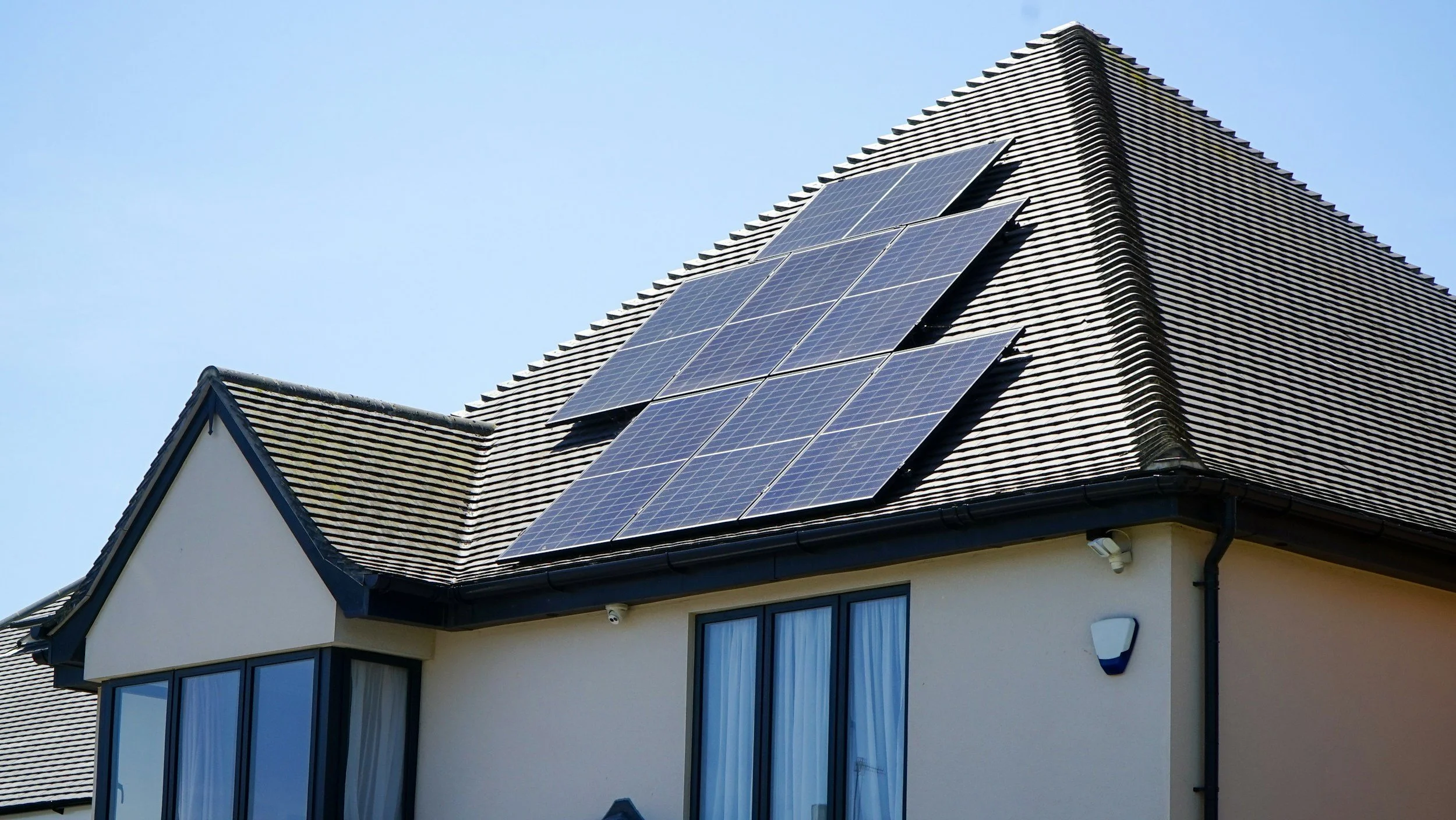
Small exterior upgrades can make a home feel newer, safer, and easier to live in. When families invest in the right projects, including durable siding, energy-smart windows, and a welcoming entry, the curb appeal lasts, and upkeep gets simpler. This guide highlights the improvements that return value year after year, with practical tips for planning and maintenance.
Why Exterior Projects Deliver Long-Term Value
Families notice first what they see from the street. Fresh materials, tidy lines, and a cohesive palette send a message that the home is well cared for and efficient to run. Those signals tend to hold up because they connect to comfort, maintenance, and safety.
Exterior upgrades have a track record of strong returns compared with many indoor projects. A 2024 trade analysis reported that the average return on investment across 23 common remodeling projects was roughly 75%, which explains why curb appeal is the first place pros look when budgets are tight. That kind of payback compounds if you choose durable products and maintain them on a simple annual schedule.
Roofing That Protects and Polishes the Look
Your roof ties the whole exterior together, and it can be helpful when you compare materials, profiles, and colors. A clean roofline and balanced tones can make the rest of your updates feel intentional.
Think about shape and texture as much as color. Architectural shingles add depth to simple elevations, while low-profile options can calm busy facades. If you live where hail or wind is common, professional roofing contractors like Distinctive Roofing can perform inspections or repairs to preserve the roof's layout. Opt for products tested to higher impact or uplift ratings to preserve both appearance and value.
Refresh Siding and Trim for Instant Curb Appeal
Siding is the largest visual element on most family homes, so small improvements go a long way. Replacing faded boards, tightening loose trim, and adding crisp corner details can transform a facade without changing the floor plan. For colors, deeper body colors with light trim create contrast that reads clean from the street.
Recent reporting on national resale data highlights just how powerful these moves can be. Manufactured stone veneer delivered about a 153% return, with fiber-cement siding near 88% and vinyl siding around 80%. Numbers vary by region and project scope, but the pattern is clear: durable, low-maintenance cladding tends to hold value as families grow.
Families are busy, and they want low-maintenance finishes. Products that shrug off rain, sun, and soccer balls save weekend time and reduce repainting cycles. Look for factory finishes with long warranties, and use smooth trim boards at kid-height areas for easier cleaning.
Energy-Smart Windows and Doors
Windows do double duty: they shape the look outside and the comfort inside. Upgrading tired units can cut drafts, reduce noise, and sharpen your exterior lines with modern profiles. Choose grille patterns that match your home’s style so the update feels original.
Replacing old single-pane windows with certified models can lower household energy bills by up to about 13% on average. Frame choice matters, too. Vinyl and fiberglass resist swelling and rot, while quality hardware keeps latches tight so conditioned air stays in and weather stays out.
Lighting and Entry Upgrades Families Appreciate
Well-planned exterior lighting makes a home feel safe and welcoming. Swap yellowed fixtures for simple, sealed units and pair them with motion sensors at side doors. Path lights spaced evenly guide small feet at night and highlight planting beds that might otherwise disappear after sunset.
Real estate pros consistently point to curb appeal as a smart move before a sale. The National Association of Realtors reports that a large majority of agents recommend improving the exterior first, reinforcing that these upgrades influence both showings and offers. Even if you are years away from listing, a brighter entry and tidy walk create everyday comfort for your family.
Plan, Budget, and Sequence for Durability
Think in layers so projects support one another. Install gutters and splash blocks before repainting, and address grading or drainage before adding stone borders. This kind of sequencing protects fresh work and keeps costs predictable.
When you plan your scope, use a short checklist to keep quality high:
Prioritize water management first: roof condition, flashing, gutters, downspouts
Choose durable cladding and trim with verified warranties
Upgrade openings next: windows, doors, weatherstripping
Refresh the front entry with lighting, house numbers, and hardware
Finish with landscaping that is easy to maintain and suits your climate
Maintenance locks in the gains. Rinse siding every spring, clear gutters in fall, and spot-seal any exposed end grains on trim. A half day each season stretches the life of your materials and keeps the exterior looking new.
A family home should age gracefully. If you focus on protective layers, energy-smart openings, and a welcoming entry, you build an exterior that stays attractive through changing styles and busy schedules. Small habits and well-timed upgrades will keep that appeal working for you year after year.
Related:
