
Postpartum Summer Nutrition: Staying Cool, Eating Well, and Managing Anxiety
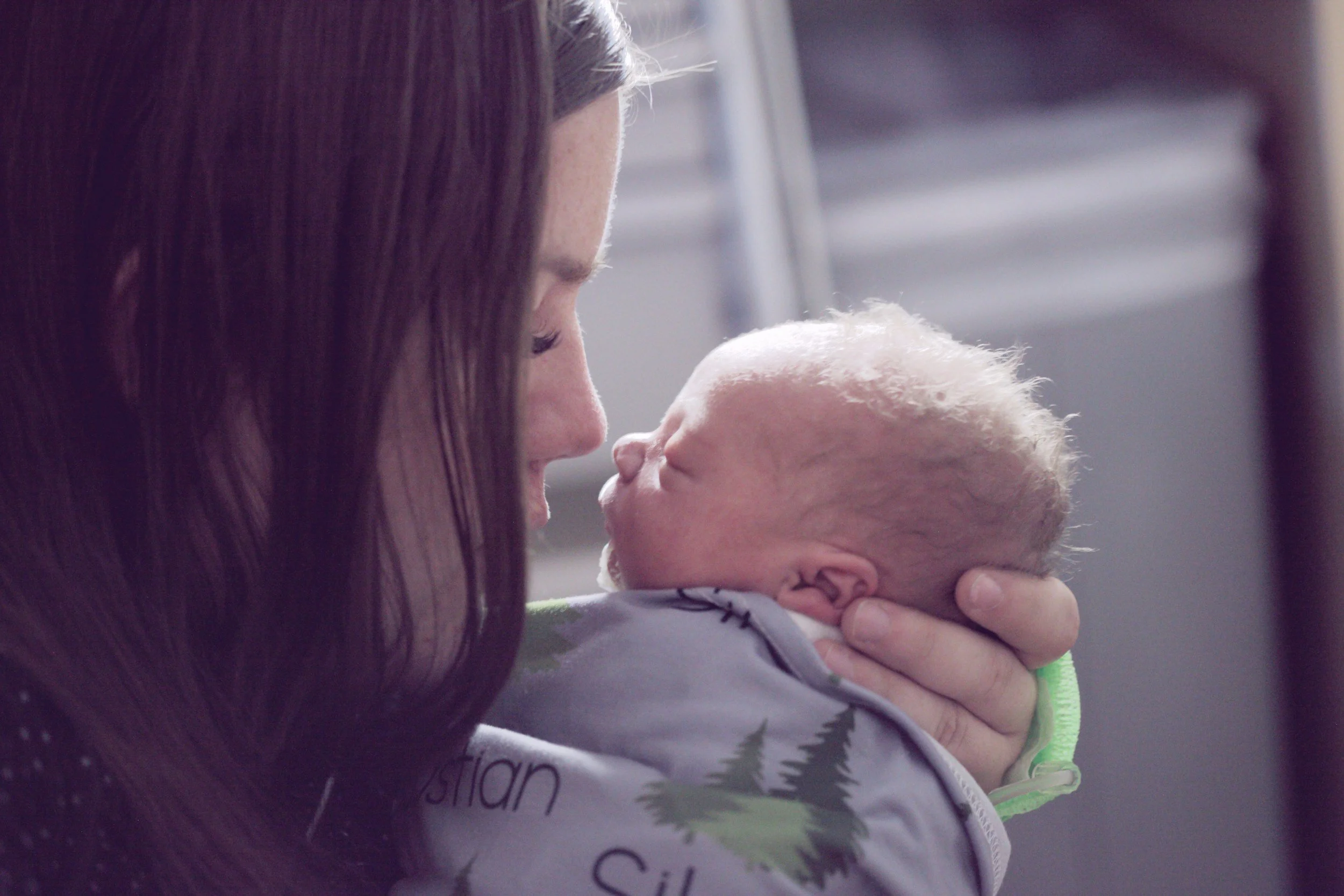
Nobody puts "survive summer in the fourth trimester" on their birth plan. But here you are, navigating the postpartum period in peak heat, running on fragmented sleep, and your body still deep in recovery mode. The heat drains you faster when you're already depleted. Breastfeeding has you thirsty in a way that feels almost biological (because it is).
Plus, if anxiety has been creeping in alongside the exhaustion, summer's noise and brightness and relentless stimulation can make everything feel louder and heavier than it already does. The postpartum period is genuinely hard in any season. Summer just turns up the dial on all of it.
This guide won't hand you a perfect meal plan or pretend that eating well postpartum is simple. What it will do is give you practical, genuinely useful information about postpartum summer nutrition so you can support your body and your mental health during one of the most demanding seasons of your life.
What Your Body Needs Postpartum
The postpartum body has just done something enormous. Recovery takes real nutritional support, and for those who are breastfeeding, the demands go even higher.
Research published in the journal Nutrients confirms that breastfeeding parents need an estimated 500 extra calories per day above their usual intake, along with increased protein, omega-3s, iron, and vitamin D. This isn't about eating more for the sake of it. Breast milk is nutritionally rich, and producing it pulls from your own stores. If those stores are low, your energy, mood, and recovery all suffer. A longitudinal study on postpartum nutritional quality found that many postpartum parents don't actually meet their dietary needs during this period, often because they're focused on the baby and running on very little sleep. Understanding what your body needs is the first step toward giving it that, even imperfectly.
The key nutrients to focus on are protein for tissue repair and milk production, calcium for bone health (ACOG recommends 1,000 to 1,300 mg per day for postpartum and breastfeeding parents), iron to rebuild stores after blood loss during delivery, omega-3 fatty acids for brain and mood support, and B vitamins for energy and nervous system health. Vitamin D is also commonly low during this period and worth discussing with your healthcare provider.
This isn't about tracking everything meticulously. It's about knowing which foods do the most good so you can reach for them when you have the capacity to choose.
Best Foods for Postpartum Recovery in Summer
Summer offers some real advantages when it comes to postpartum nutrition, which is one of the few genuinely convenient things about this timing. Fresh produce is everywhere, lighter meals feel natural in the heat, and hydrating foods are in season. There are also plenty of cooling foods postpartum that can help make the heat more manageable when your body is already running warm from hormonal changes and the physical work of breastfeeding.
For a detailed breakdown of the most beneficial foods during this time, this guide to best foods for postpartum is a great resource. Here are the ones that make the most sense in summer specifically.
Watermelon and cucumber are almost entirely water, which makes them genuinely useful for hydration rather than just refreshing. When you're breastfeeding, staying hydrated directly supports milk supply. Keeping both in the fridge for easy snacking takes almost no effort and pays off.
Berries are rich in antioxidants and fiber, low in sugar compared to many other fruits, and deeply anti-inflammatory. They're also one of the easiest things to eat with one hand while holding a baby, which is no small consideration.
Salmon and sardines are among the best food sources of omega-3 fatty acids and protein in a single serving. ACOG recommends at least two servings of fish or shellfish per week for breastfeeding parents. Grilled salmon, canned salmon in a salad, or sardines on whole grain crackers are all quick and practical options for what to eat postpartum in summer.
Leafy greens like spinach, kale, and Swiss chard provide iron, calcium, magnesium, and B vitamins all at once. They're easy to add to smoothies if eating a full salad feels like more effort than you have.
Legumes including lentils, chickpeas, and black beans are filling, high in protein and fiber, and naturally cooling when served in salads or grain bowls. They're also among the most affordable nutrient-dense options available.
Greek yogurt is one of the most convenient high-protein, high-calcium foods you can keep in the fridge. Layer it with berries for a breakfast or snack that takes about two minutes to put together.
Hydration deserves its own mention. Breast milk is approximately 90% water, and summer heat increases fluid loss on top of that. ACOG guidance suggests around 16 cups of fluid per day for breastfeeding parents. Keeping a large water bottle visible and within reach is one of the simplest things you can do.
Managing Postpartum Anxiety Through Diet
Postpartum anxiety is more common than most people realize. Postpartum Support International notes that as many as 1 in 5 new parents may experience depression or anxiety during the perinatal period, and many more experience subclinical symptoms that are real and difficult even if they don't meet a clinical threshold. Symptoms can include persistent worry, racing thoughts, difficulty sleeping, physical tension, and a constant sense of dread that doesn't match the actual circumstances.
Diet alone cannot treat postpartum anxiety, and it's important to say that clearly. If you're struggling, please reach out to a healthcare provider or contact Postpartum Support International for support and resources. What we can say is that certain nutritional deficiencies are linked to worse anxiety and mood symptoms, and that eating to support managing postpartum anxiety naturally is a meaningful part of a broader approach to wellbeing.
The nutrients that matter most here are ones that many postpartum parents are low in.
Omega-3 fatty acids, particularly DHA and EPA found in fatty fish, have been studied extensively in the context of postpartum mental health. Research published in the journal “Nutrients” found associations between omega-3 fatty acid levels and postpartum mental health outcomes, supporting the case for consistent intake through food and supplementation.
Magnesium is one of the most commonly depleted minerals after pregnancy and delivery, and research has linked low magnesium levels to increased stress sensitivity, poor sleep, and heightened anxiety postpartum. Good food sources include dark leafy greens, nuts, seeds, legumes, whole grains, and dark chocolate.
B vitamins, particularly B6 and B12, are essential for the nervous system and for producing the neurotransmitters that regulate mood. Low levels have been linked to irritability, low mood, and increased anxiety. Eggs, salmon, legumes, and whole grains are all solid sources.
Blood sugar stability is another major factor in postpartum anxiety foods that often goes overlooked. When blood sugar drops, the body releases stress hormones as a response, which can trigger or worsen feelings of anxiety, shakiness, and irritability. Prioritizing protein, fiber, and healthy fats at every meal, and avoiding long stretches without eating, helps keep blood sugar steadier and reduces these kinds of spikes and crashes. Ultra-processed snacks and sugary drinks that cause a quick rise followed by a sharp drop are worth moderating for this reason.
Practical Tips for Summer Postpartum Meal Ideas
Knowing what to eat and actually eating it while sleep-deprived with a newborn are two very different things. Here are some genuinely low-effort approaches to postpartum meal ideas summer that prioritize nutrition without adding more pressure to your day.
Keep it simple and visible. Pre-washed berries, cut cucumber, Greek yogurt, hard-boiled eggs, and whole grain crackers are all things that take almost no preparation and can be grabbed with one hand. If it requires more than a minute or two, it's probably not going to happen on the harder days.
Make hydration automatic. Fill a large water bottle first thing in the morning and keep it in the same spot every day. Add cucumber slices, frozen berries, or lemon if that helps. In summer heat, especially when breastfeeding, consistent fluid intake matters more than most people realize.
Accept help with food. When people ask what they can do, ask them to bring a meal or drop off something easy to eat. Batch cooking by a partner, family member, or friend can cover several days of meals without any effort from you.
Don't skip eating. It sounds obvious, but many new parents go hours without eating because they're focused entirely on the baby. Keeping food within reach and eating something at regular intervals helps keep energy and mood more stable throughout the day.
Stay cool while you eat. Cold grain bowls, chilled lentil salads, gazpacho, smoothies with greens and protein powder, and overnight oats all require no heat to prepare and can be stored in the fridge for easy access. These aren't just convenient, but also genuinely cooling and nourishing in a way that feels good when the temperature is high and your body is already working hard.
Use convenience products without guilt. Rotisserie chicken, canned fish, pre-washed salad greens, frozen vegetables, and ready-to-eat legumes are all nutritionally solid options. The standard for postpartum eating is not culinary, it's functional. If it gives your body what it needs and you’re able to manage it, it counts.
Conclusion - You Don't Have to Figure This Out Alone
Postpartum summer nutrition is one piece of a much larger picture of recovery and wellbeing. What you eat matters, but it doesn't have to be another thing you feel pressure to get exactly right. Small, consistent choices add up. A handful of walnuts, a glass of water, a quick smoothie with spinach and frozen mango. These things count even when they don't look impressive.
If you're navigating postpartum anxiety alongside the physical demands of recovery and summer heat, please know that support exists and that asking for it is the right move. Nutrition can be a meaningful part of managing how you feel, but it works best alongside professional support, rest, and community.
Working with a professional who specializes in this area can make a real difference. A pregnancy and postpartum nutritionist can help you figure out what your body specifically needs right now, whether you're breastfeeding, recovering from a difficult birth, managing anxiety, or simply trying to stay nourished through one of the most demanding periods of your life. You deserve that kind of support.
