
8 Practical ABA Techniques to Promote Emotional Regulation in Kids
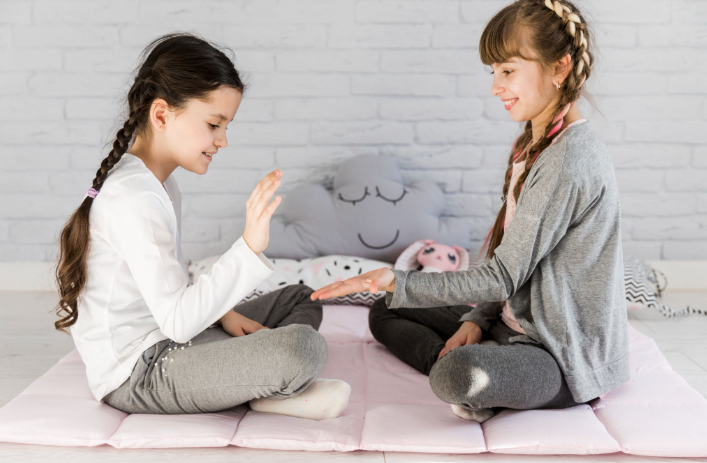
Watching your child struggle to manage frustration, disappointment, or overwhelming emotions can leave you wondering what actually helps. The good news is that emotional regulation is not something children simply develop on their own. It is a skill that can be taught with the right approach.
Through specialized care and structured ABA therapy Topeka, Kansas, enables children to identify emotional responses, develop healthy coping strategies, and express their needs appropriately using proven, evidence-based methods.
This guide explores 8 practical ABA techniques that foster emotional regulation, showing how they work and how they can be easily implemented at home, at school, and in everyday situations for lasting emotional growth.
What Is Emotional Regulation?
Emotional regulation just means learning how to understand and control your feelings. It helps children handle big emotions and stay calm when things get tough at home or school.
When a child gets super upset, this skill acts like a volume button. It helps turn down the loudness of their anger so they can stop, think clearly, and make good choices instead of reacting right away.
The key is knowing that all feelings are okay. It is completely normal to feel mad when you lose a game. However, throwing the board game across the room is not okay. We want to accept the feeling, but teach better ways to handle the behavior.
8 Simple ABA Tools to Help Kids Manage Big Emotions
1. Positive Reinforcement for Calm Behaviors
Positive reinforcement means rewarding a child right after they show good behavior so they are likely to repeat it. Often, kids get the most attention during meltdowns, and their brains view that attention as a reward. To change this, flip the dynamic and actively praise moments when they manage their feelings well.
If a toy breaks and your child takes a deep breath instead of screaming, praise them immediately or offer a small reward like a sticker. Over time, this teaches them that staying calm brings much better results than throwing a tantrum.
Key Tips for Parents:
Reward Instantly: Give praise right away so the child connects it to their calm action.
Be Specific: Tell them exactly what they did right (e.g., "Great job taking a deep breath!").
Keep Rewards Small: A high-five, sticker, or brief extra play time works best.
2. Functional Communication Training (FCT)
Most meltdowns happen because a child cannot express their frustration. When overwhelmed, children use behavior to show how they feel. Throwing schoolwork usually means a task is too hard.
Functional Communication Training (FCT) replaces these meltdowns with clear communication. Kids learn to use simple words, signs, or picture cards to ask for help or a break.
Real-Life Example: If your child throws pencils during math homework, teach them to hand you a "Break" card instead. Granting an immediate short break proves that asking calmly works better than acting out.
3. Visual Supports and Emotion Charts
When children are highly stressed, their brains cannot process spoken words. Trying to talk to them or asking what is wrong during a meltdown often makes them feel worse. Visual supports, like charts and pictures, help kids express their emotions without needing to speak.
You can set up visual tools at home to make communication easier during stressful moments:
Emotion Thermometer: A color-coded chart (Green for calm, Yellow for frustrated, Red for angry) helps kids show how they feel.
Choice Board: A simple board with pictures of safe options, such as squeezing a toy, drinking water, or sitting in a quiet corner.
Pointing to these pictures allows your child to tell you what they need without saying a single word.
4. Modeling Appropriate Emotional Responses
Children are like sponges and imitate the behavior of the adults that they see when they are stressed. Modeling is intentionally showing your child how to remain calm while dealing with frustration.
Your child learns that when he/she makes an error, the right answer is to yell in the kitchen. Rather, they can be taught how to do it better with "think-alouds. If things go out of order, express thoughts verbally: "Oh no, I spilled my water. I am feeling frustrated, but I will take two deep breaths, and then I will clean it up. Another alternative is to role-play frustrating scenarios during non-crisis times to demonstrate how to say "good game" when they don't have the cards.
5. Teaching Coping Skills Through Practice
You cannot teach someone to swim while they are drowning. Similarly, you cannot teach a child to calm down during a massive tantrum. Coping skills must be practiced daily when your child is happy, relaxed, and ready to learn.
Turn these simple coping tools into a fun daily routine, so they become automatic habits:
Deep Breathing: Pretend to smell a flower, then blow out a candle.
Counting: Practice counting slowly to ten together.
Sensory Tools: Use noise-canceling headphones or a weighted blanket.
Practicing these skills during calm moments helps your child remember them more easily when stress hits.
6. Self-Monitoring and Self-Management
As children grow, they need to learn how to manage their emotions independently rather than relying on adult reminders. Self-monitoring helps a child notice physical body cues before an outburst actually happens.
You can help your child spot these early warning signs by asking simple questions. Point out physical clues like clenched fists or a racing heart to help them realize their body is shifting from calm to frustrated.
Once children recognize these internal signals, they can take action early. Spotting these signs gives them the control to take a break or use a coping skill completely on their own.
7. Task Analysis for Managing Big Emotions
"Calm down" is often too broad for a child who is already feeling overwhelmed. ABA providers like New Dawn ABA use strategies such as "Task Analysis" to break complex emotional responses into smaller, easier steps.
Through ABA therapy in Topeka, Kansas, families can learn how to support children with clear routines that help them manage challenging moments with greater confidence.
Parents can create a simple step-by-step calming checklist and place it in a quiet area at home. This visual guide can help children follow a familiar routine during stressful situations. The checklist might look like this:
Step 1: Walk to the quiet corner.
Step 2: Sit on the comfortable pillow.
Step 3: Take three slow, deep breaths.
Step 4: Squeeze the soft ball five times.
Step 5: Tell an adult, "I am ready to talk now."
Breaking the process down removes the confusion and helps your child feel confident that they can manage their feelings.
8. Behavior-Specific Praise and Consistent Feedback
Praise like "Good job!" does not help a child learn because they do not know exactly what they did right. Behavior-Specific Praise means telling your child the exact action you are proud of, which makes them much more likely to do it again.
Instead of saying "Thanks for being good," try saying, "Thank you for using your words to tell me you were angry instead of throwing your book."
Rather than saying "Way to go," we can say, "I am so PROUD of you for taking a deep breath when your toy tower fell over. The immediate feedback is clear, so it is easy for them to understand what they have done well and what you are saying, and therefore their confidence will grow.
When Should Parents Consider Professional ABA Therapy Support?
These techniques can be very helpful in the home, but some children may require additional assistance from a trained specialist. Getting professional help is a positive step to providing your child with the specialist tools he or she requires.
If you notice any of the following, you may wish to talk to a professional Board Certified Behavior Analyst (BCBA):
Your child has regular and often daily emotional outbursts that are long-lasting.
Although you have comforting tools and visual aids, the child is unable to calm down.
Your child exhibits aggressive behaviors such as hitting, biting, and physically harming themselves when frustrated.
They are struggling to make friends, attend school, and engage in family activities.
Your child is having great difficulty expressing her needs and emotions verbally.
A skilled ABA therapist in Topeka, KS will be able to design your child's behavior plan in a very personalized way based on his/her strengths and needs.
Final Thoughts
ABA therapy isn't about shutting down a child's natural emotions or expecting them to act like perfect little robots. It’s just about giving them a safe, practical toolkit of real-world skills they can actually use.
By sticking with these simple, daily strategies at home, you are helping your kid build the kind of quiet confidence and emotional strength they will carry with them for the rest of their lives. You've got this, and so do they.
