
Why "Custom" Home Building Means Something Different for Every Client
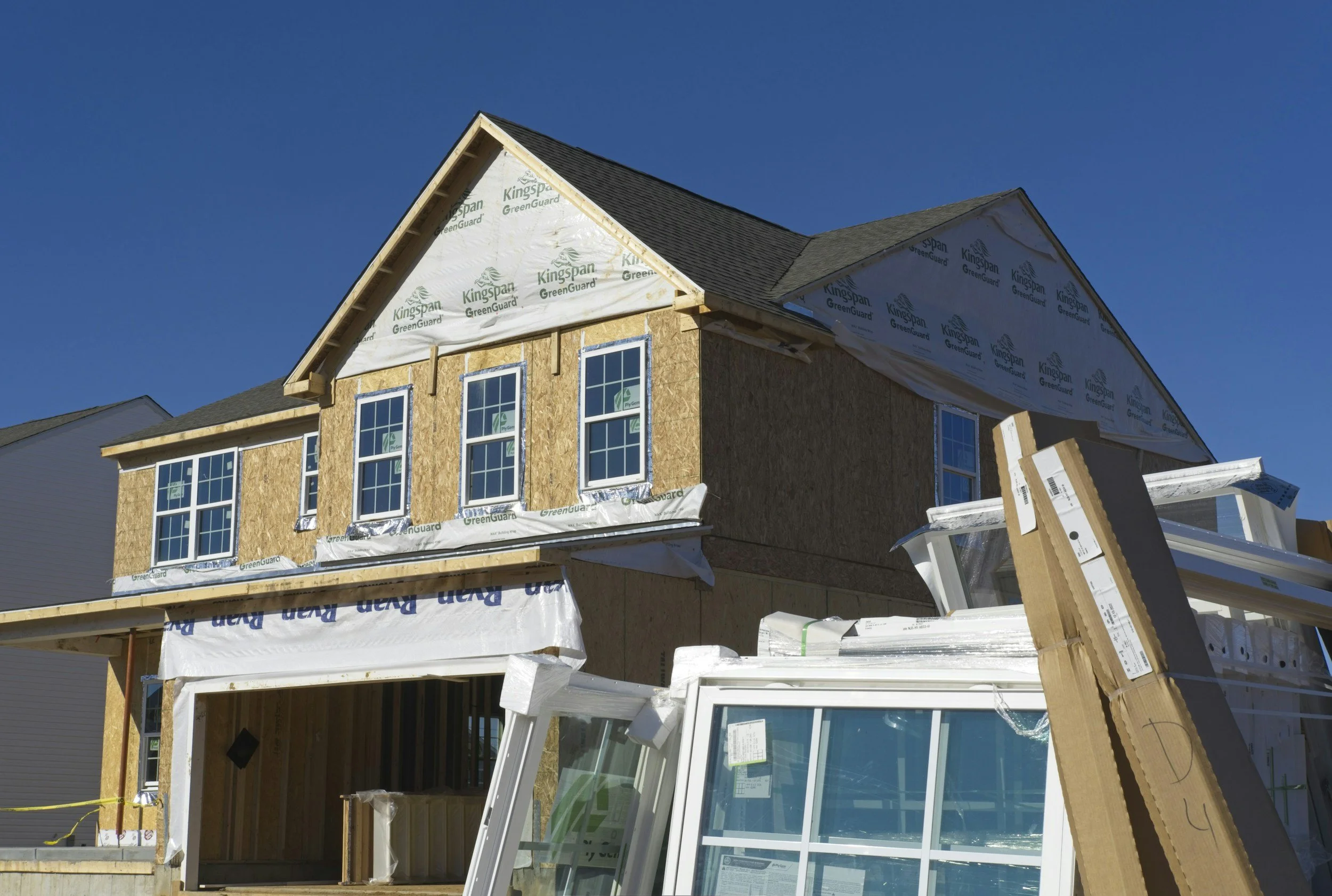
The term "custom home" gets used so loosely in the industry that it's lost some of its original meaning, often applied to houses that are really just semi-customized versions of a builder's existing floor plans with minor finish selections swapped out. Genuine custom construction starts from a blank slate, where floor plan, structural layout, and design details all get built around a specific client's actual needs rather than adapted from a template. Ottawa homeowners researching options through resources like https://www.ikhomeimprovement.com/ often discover this distinction matters considerably once they compare quotes, since a truly custom build involves a different planning process entirely compared to selecting from pre-designed options with limited modification room.
This distinction affects timeline expectations significantly. A semi-custom build working from an existing template can move through design phases faster since much of the structural planning is already established, while genuine custom construction requires more extensive upfront design work before construction can even begin. Homeowners expecting semi-custom timelines while pursuing a fully custom build sometimes find the extended design phase frustrating, not realizing that additional time investment upfront typically produces a home more precisely matched to their actual needs than a faster, less flexible process would allow.
Numbered Process Stages Give Structure to an Otherwise Overwhelming Decision
Home building and major renovation projects involve so many sequential decisions that homeowners without construction experience often feel overwhelmed trying to track what needs deciding when. Breaking the process into clear numbered stages — initial consultation, design development, permitting, construction, and final walkthrough — gives homeowners a structural framework for understanding where a project currently stands and what comes next, rather than experiencing the process as one long, undifferentiated stretch of uncertainty.
This staged approach also clarifies decision timing specifically. Certain choices, like structural layout and major systems placement, need finalizing early since they affect permitting and foundational work, while other decisions, like specific finish materials or fixture selections, can reasonably wait until later stages without affecting the broader project timeline. Homeowners who understand this sequencing make better decisions about where to spend deliberation time early versus where they have more flexibility to decide later, rather than treating every choice as equally urgent from the project's very first stage.
Why Avoiding Subcontractor Confusion Matters More Than Homeowners Initially Realize
Construction projects often involve multiple trades — electrical, plumbing, framing, finishing — and homeowners sometimes end up managing communication across several separate subcontractor relationships without realizing how much coordination burden this creates. A project structured around direct, consistent oversight rather than a fragmented subcontractor relationship reduces this burden considerably, since a homeowner dealing with a single point of contact throughout a project avoids the confusion of tracking which specific trade is responsible for which specific issue when problems inevitably arise during construction.
This consolidated approach also tends to produce more consistent quality control throughout a project, since oversight extends across every stage rather than each subcontractor working somewhat independently within their specific trade without broader coordination. Homeowners comparing construction options benefit from asking directly how a builder structures trade coordination and oversight, since this operational detail affects both project smoothness and the homeowner's own time burden considerably more than glossy marketing materials focused primarily on finished project photos ever reveal about the actual day-to-day experience of managing a build.
