
Practical Packing and Moving Tips That Actually Make a Difference
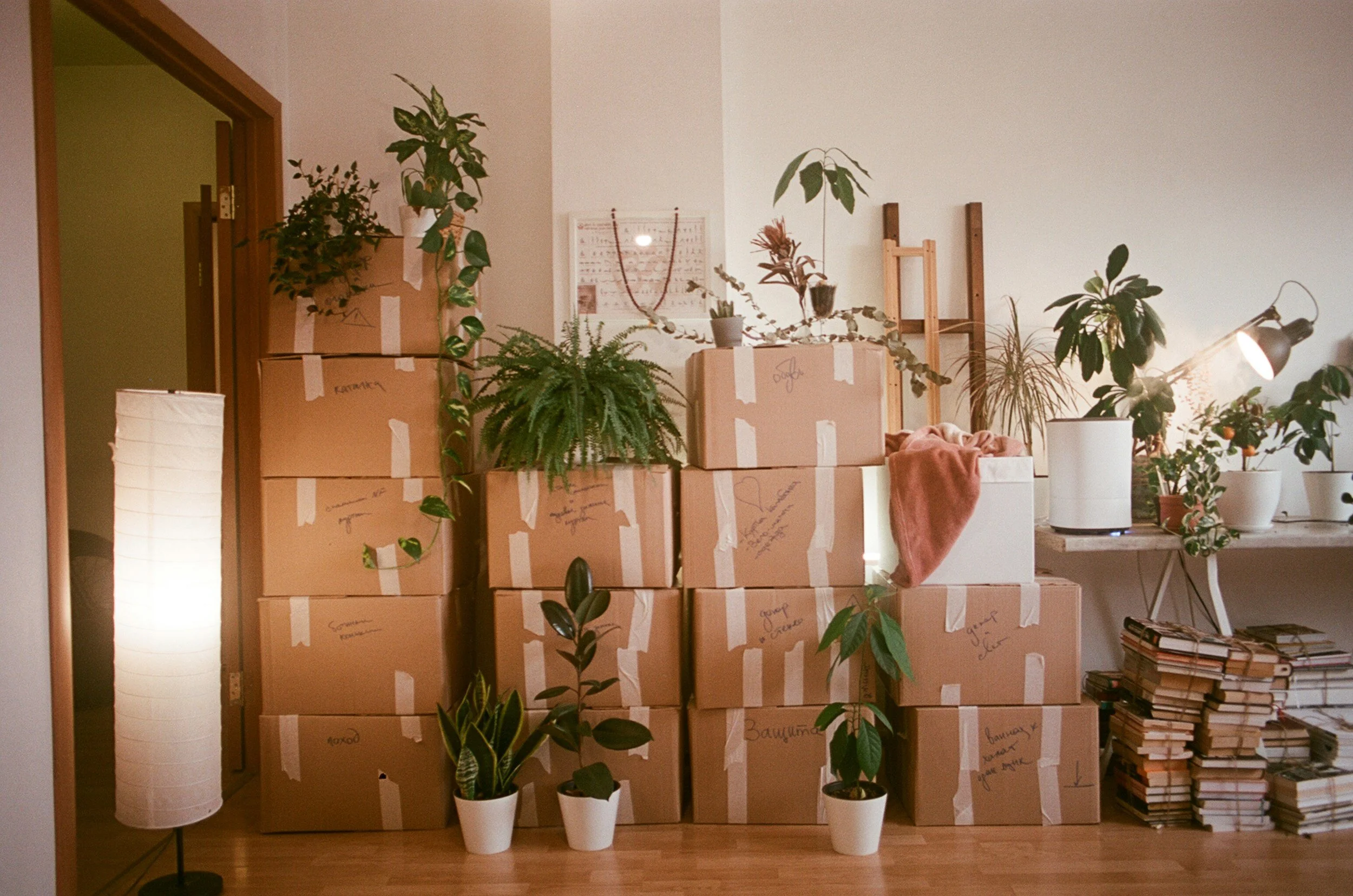
Moving to a new home should feel like an exciting chapter. Instead, for most people, it feels like a slow-motion disaster involving way too much bubble wrap and not enough coffee. Here's the truth, though: most moving stress is preventable. These eight focused packing and moving tips address the parts of the process that genuinely trip people up, so you can stop dreading it and start executing.
Whether you're relocating across town or across the country, the strategies below are built for real situations and real timelines.
Nearly 1 in 10 people would prefer an IRS audit over moving again, and a concerning 10% said they'd rather break up with their partner than go through it. Those numbers say everything. But with intentional preparation, you sidestep all of that.
Build a Strong Foundation Before Anything Gets Packed
Everything downstream depends on how well you set up the early stages. The moving house tips that hold up under pressure aren't elaborate; they're disciplined.
Lock In Your Timeline Before It's Too Late
A moving calendar with hard deadlines transforms an overwhelming process into a series of smaller, achievable tasks. Book your movers early, schedule utility transfers, and set reminders for address updates. If others are involved in the move, a shared digital checklist removes all ambiguity about who owns what task.
Cut the Clutter Before You Pack a Single Box
Decluttering before packing isn't just practical, it's genuinely freeing. Sort through everything with an honest eye. Donate what still has value, sell what someone else needs, and responsibly recycle the rest. For anything bulky or beyond a simple donation drop-off, a junk removal service like Nova Junk can clear it out quickly so you're not hauling it to your new place by mistake. Less stuff means lower costs, faster packing, and a cleaner arrival at your new place.
The Packing Strategies That Save the Most Time
Understanding how to pack for a move efficiently comes down to a few non-negotiable habits. Speed matters less than doing it right the first time.
Pack Room by Room, Always
Mixing items from different rooms into the same box often leads to unnecessary confusion during unpacking. While it may seem convenient when you're in a hurry, it can make it much harder to find essential items once you arrive at your new home. A better approach is to finish packing one room completely before moving on to the next. This keeps your belongings organized and makes the unpacking process far more manageable.
If you're using professional moving packing support, staying organized becomes even easier. Pairing expert assistance with a color-coded labeling system helps ensure that every box is clearly marked and delivered to the correct room. This simple strategy saves time, reduces stress, and makes settling into your new home much faster and more efficient.
Don't Cut Corners on Packing Supplies
Flimsy boxes and cheap tape will cost you more in broken items than the money you saved. Pick up free boxes from grocery stores or buy sturdy options in bulk. For anything fragile or high-value, double-walled boxes, foam wrap, and reinforced tape are worth the investment without question.
Pack Smarter, Not Bigger
Rolling clothes instead of folding, it reduces wrinkles and saves a surprising amount of space. Nest smaller kitchen items inside larger ones. Use vacuum-sealed bags for bulky bedding. These small techniques compound quickly across an entire household's worth of belongings.
Protect Fragile Items Like They Matter, Because They Do
Use soft items you're already packing, such as towels, scarves, and sweaters, as padding around breakables. Wrap each fragile piece individually, and fill empty space inside boxes so nothing shifts in transit. The few extra minutes this takes consistently prevent the kind of damage that ruins a perfectly good moving day.
Specialized Care: When Standard Packing Isn't Enough
Certain belongings demand a more deliberate approach. Electronics, heirlooms, artwork, and living plants don't respond well to standard box-and-tape treatment.
For televisions and computers, original manufacturer packaging is ideal. If you no longer have it, anti-static wrap inside a rigid box is your next best option. Valuables like jewelry, financial documents, and medications should never ride in the moving truck; keep those with you personally throughout the entire process. For plants, water them the day before the move, skip the sealed boxes entirely, and transport them in your own vehicle to control temperature and light exposure.
If your household includes items of significant value or complexity, professional moving packing support through a trusted provider like Safe Ship Moving Services ensures those pieces receive handling that matches their importance. It's the kind of investment that tends to pay for itself.
Moving Day Execution: Where Preparation Pays Off
All the planning in the world only matters if moving day itself runs cleanly. These easy moving tips are specifically designed to keep the day from unraveling.
The "Open First" Box Is Non-Negotiable
Pack a clearly labeled essentials box with phone chargers, toiletries, snacks, a basic toolkit, and one change of clothes per person. When you're exhausted at the end of a long day and surrounded by unlabeled stacks, this box becomes your best friend.
Label Smart, Not Just Often
Label boxes on the side, not the top. When boxes are stacked, you can only read side labels. Also, brief your moving crew on a simple room-by-room placement plan before they start unloading. That five-minute conversation saves an hour of relocating boxes after the truck is empty.
Unpacking Without the Week-Long Chaos
Unpacking gets a bad reputation, but a systematic approach makes it far less painful than most people expect.
Start with the kitchen. Then bathrooms. Then bedrooms. Getting functional spaces operational first means daily routines can resume quickly while you tackle the remaining boxes at a manageable pace. Resist the urge to do everything at once; it leads to burnout, not progress.
Once boxes are empty, don't let them accumulate. Local recycling centers typically accept cardboard, and platforms like Nextdoor or Facebook Marketplace make it easy to pass boxes along to someone currently planning their own move.
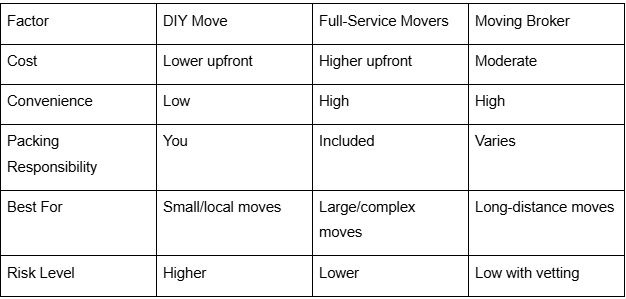
DIY vs. Professional Moving: A Direct Comparison
Tools, Technology, and the Right Professional Support
Packing is often the part of moving that people underestimate the most. What seems like a simple task can quickly turn into days or even weeks of sorting, organizing, wrapping fragile items, labeling boxes, and trying to keep track of everything. Without a clear system, it's easy to lose important belongings, pack inefficiently, or feel overwhelmed by the amount of work involved.
Using moving and inventory management apps can make the process much more organized. These tools allow you to create detailed item lists, assign boxes to specific rooms, track packed belongings, and stay on top of your moving progress from one place. They can save time, reduce confusion, and make unpacking much easier once you arrive at your new home.
When choosing a moving company, it's also important to compare multiple service providers before making a decision. Request several quotes and carefully review what is included in each estimate. Pay close attention to additional charges, service limitations, insurance coverage, and any terms that could affect the final cost. Taking the time to review these details upfront can help you avoid unexpected expenses and ensure a smoother moving experience.
Moving With Children, Pets, or Elderly Family Members
The best way to move house when your household includes vulnerable or anxious members is to account for their needs deliberately, not as an afterthought.
Give children a small box they control and pack themselves, it builds investment rather than resistance. Keep pets in a quiet, designated space away from the moving activity. For elderly family members, prioritize accessibility from day one by ensuring their essentials are easy to locate and reach immediately upon arrival. Seniors or individuals with disabilities should also discuss specific accommodation needs with their moving company in advance, as many providers offer tailored options through dedicated moving and packing support programs.
Pre-Move Checklist: The Final Week and Moving Day
Before you close the door on your old place for the last time, work through these key steps:
- Update your address with banks, the post office, and all active subscriptions
- Transfer utilities and confirm activation dates at your new address
- Confirm your moving crew's schedule and arrival window
- Complete a thorough walkthrough of every room, closet, and cabinet
Closing Thoughts
Moving doesn't have to be the experience most people spend years dreading. The difference between a chaotic move and a smooth one almost always comes down to early preparation, disciplined packing, and knowing when to bring in professional support for the pieces that matter most.
Apply these packing and moving tips consistently, and you'll find yourself on the other side of moving day with your belongings intact, your sanity preserved, and a genuine sense of accomplishment in a space that's entirely yours. That's a pretty solid outcome by any measure.
