
What a General Contractor Actually Does — and Why the Coordination Role Is Where Projects Succeed or Fail
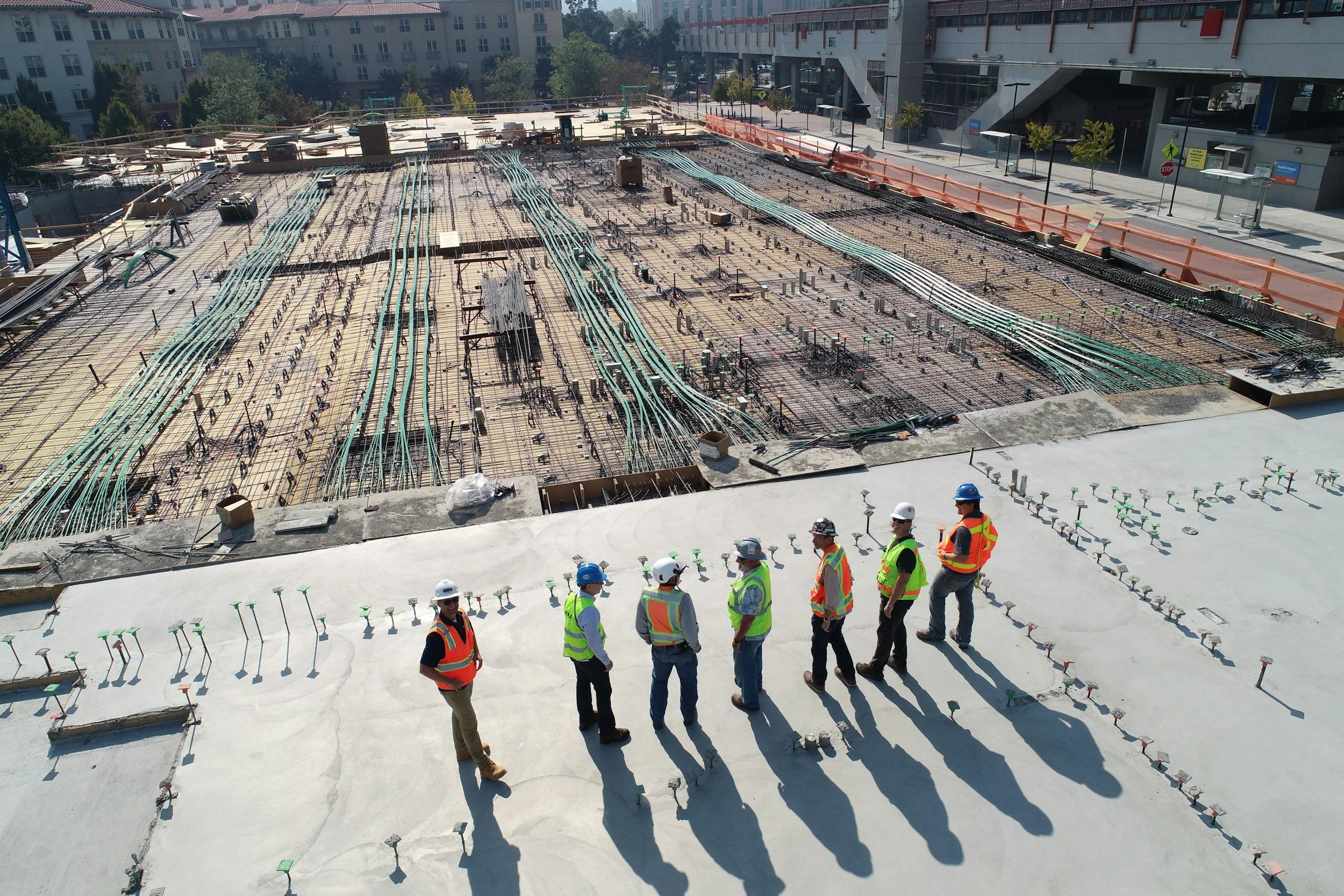
The title "general contractor" doesn't communicate much to most homeowners until they've been through a renovation that needed one and didn't have one — or had one who wasn't doing the job properly. The general contractor is the person responsible for the project as a whole: the scope, the schedule, the trades, the materials, the permits, the quality of the work, and the communication with the homeowner throughout. When that role is filled well, a renovation proceeds with the kind of clarity and momentum that makes the experience manageable. When it isn't, the homeowner becomes the de facto project manager for a process they didn't train for.
The coordination dimension is where the general contractor's value is most concrete. A typical renovation involves multiple trades working in sequence — framing, electrical, plumbing, insulation, drywall, tile, flooring, painting, trim. Each trade needs to complete their work before the next one can begin, and the scheduling of each depends on the others finishing on time. A general contractor who manages this sequence proactively — who knows what needs to happen before the electrician can rough in, who communicates clearly with the plumber about what the tile installer needs — keeps the project moving. One who manages reactively, addressing scheduling conflicts as they occur rather than before they develop, produces delays that compound across the project.
Пeneral contractor work through Millennial Contracting Inc in Cornwall and the SD&G region covers this coordination responsibility directly — Matthew Daigle and the team manage the full project from scope through completion, so the homeowner isn't the person tracking down the tile setter when the flooring contractor is waiting to start.
What the General Contractor Is Responsible For That Most Homeowners Don't Realize
Permit management is the general contractor's responsibility in most renovation contexts, and it's a responsibility that many homeowners assume is handled without explicitly confirming it. Renovations involving structural work, electrical upgrades, plumbing changes, or changes to the building envelope require permits in Cornwall and across Ontario. A project completed without required permits creates problems when the home is sold — the work needs to be disclosed, may need to be inspected retroactively, and may need to be brought up to code at the seller's expense. A general contractor who manages permits as a standard part of the project rather than treating them as the homeowner's problem removes this risk.
Subcontractor management is another responsibility that falls squarely on the general contractor. The homeowner hires the GC. The GC hires and manages the trades. When a subcontractor's work doesn't meet standard, the GC is responsible for addressing it — not the homeowner. When a subcontractor doesn't show up on schedule and a subsequent trade is waiting to start, the GC manages the consequence and the recovery — not the homeowner. This liability structure is part of what makes working with a GC different from managing separate specialty contractor relationships independently.
Quality oversight throughout the project is the general contractor's ongoing responsibility. Being present when trades are working, reviewing completed phases before the next one begins, and catching problems while they're still accessible rather than after they've been covered up — this is the work that prevents expensive remediation later and that the homeowner can't do effectively without construction expertise.
What the Local Context Adds to the GC Relationship
A general contractor whose business is built in a specific local market has relationships, knowledge, and accountability that an outside contractor doesn't. Millennial Contracting's presence in Cornwall and SD&G since 2017 means the team knows the local trades, the local suppliers, the local building department's requirements, and the specific conditions of Eastern Ontario construction that affect how projects need to be managed. For homeowners in the region planning any renovation requiring coordination across multiple trades, that local foundation is where the general contractor relationship starts.
