
Psychiatry Urgent Care vs Emergency Room: Key Differences Explained
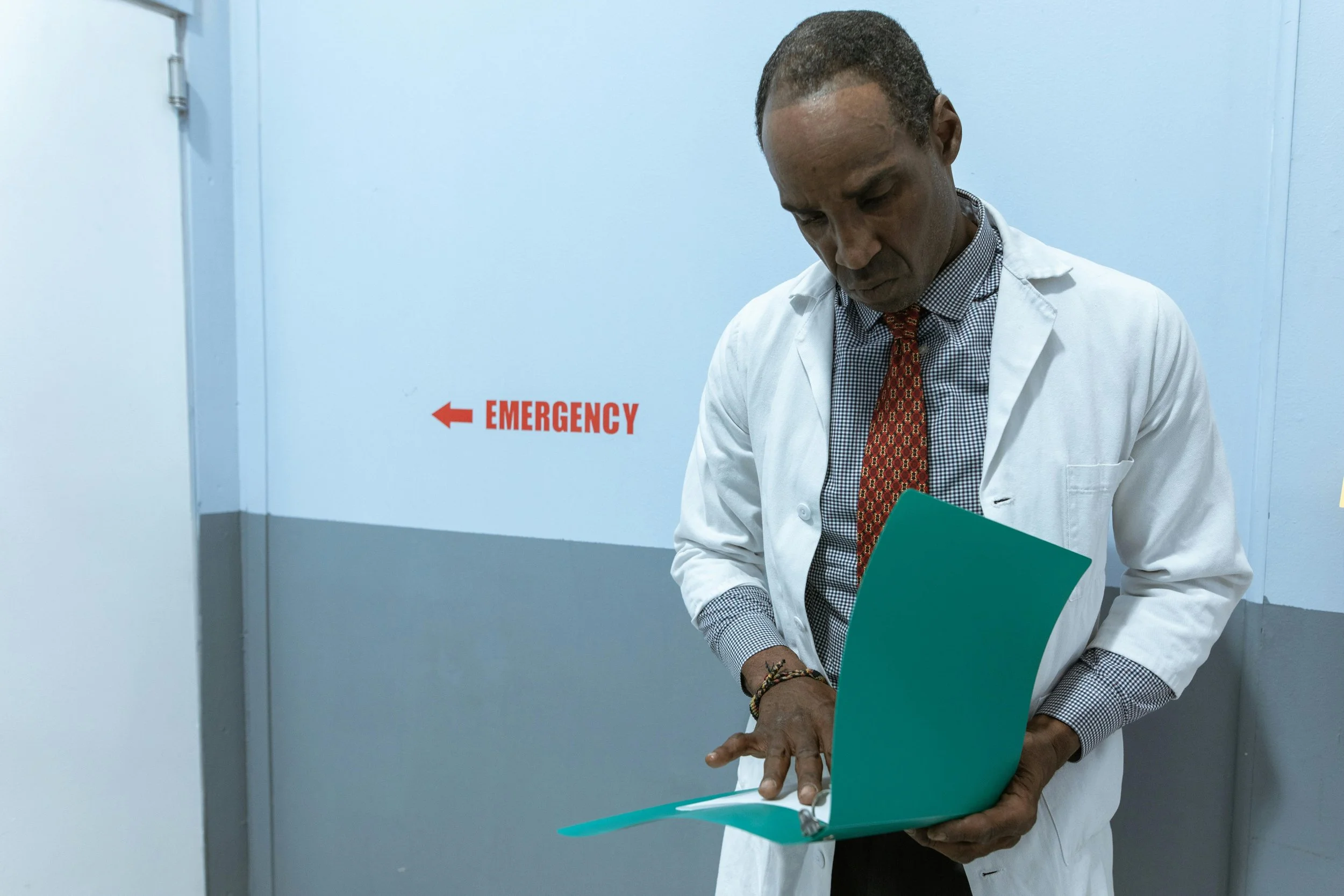
As a mental health crisis follows, it can be overwhelming to know where to turn to seek help for mental health urgent care. In the case of an urgent mental care or the emergency room, the two alternatives are subjected to critical support, though there are differences.
Being able to make comparisons between psychiatry urgent care for mental health and those of the emergency room, you can find yourself making better and more informed decisions in situations where you are faced with stressful circumstances.
What Is Psychiatry Urgent Care?
Psychiatry urgent care is a special care model, which is meant to provide urgent mental health care, considering that the condition is non-life-threatening.
The typical causes of urgent visits to psychiatry urgent care are:
Severe anxiety.
Drug issues or side effects.
Trauma that is difficult to cope with.
The task of such centers includes stabilizing a patient and collaborating with him/her on the following stage of treatment.
What Is an Emergency Room (ER) for Mental Health?
1 in 8 emergency room visits involve mental health issues. In terms of a mental healthcare environment, ERs tend to provide treatment to severe crises such as:
Thoughts of self-harming.
Forgetting reality or being psychotic.
Several agitations or violent responses.
Substance-related emergencies
The emergency rooms can also be the ones to conduct medical assessments, offer safe services to the patients, and may or may not offer hospitalization to the patient.
Understanding the benefits of immediate care and primary walk-In center services can help patients determine the most appropriate setting for their specific urgent health needs without overwhelming local hospital facilities. Choosing these dedicated medical hubs ensures prompt attention for non-life-threatening conditions while keeping emergency rooms clear for critical medical crises.
Key Differences Between Psychiatry, Urgent Care, and ER
However, as much as both psychiatry, urgent care, and ERs offer an immediate solution, their functions vary widely.
Type of environment:
Urgent care psychiatry is a volunteer and is concerned with mental health.
ER is active and is developed to be used in case of any kind of medical emergency.
Wait times:
Psychiatry urgent care typically serves with quicker access to mental health issues.
Depending on the priority of cases, the wait times in the ER can be increased.
Care provided:
Psychiatry urgent care provides an assessment, treatment, and medication.
ER aims at providing acute stabilization and could result in hospital admission.
Cost:
The cost of care in psychiatry urgent care is normally lower.
ER visits are typically more expensive
Due to this format, comparing your options during a stressful situation will be easier, as you will be able to compare your options quickly.

When Should You Choose Psychiatry Urgent Care?
Mental health urgent care would be the correct option when you are in urgent need of assistance, but you are not in an extreme condition.
You would want to consider this option, should you:
Feel overwhelmed, but are safe
Have to change medication quickly.
Feel an increasing amount of anxiety or depression.
Many new providers, such as the services of Mindful Care, can offer extremely quick-access psychiatric services as opposed to the traditional care system, where one is likely to wait quite a long time before receiving assistance.
When Is the Emergency Room the Right Choice?
The emergency room is best applicable in situations where there is a life-threatening or even safety-threatening situation.
Attend ER if you or someone you know is:
Cogitating with either intent or plan about committing suicide.
Actively harming themselves
A really strong sense of confusion or hallucination.
Can not support themselves because of a mental condition.
Being a threat to other people.
The ER also provides a controlled zone where medical professionals can be assured of safety and start urgent treatment.
Benefits and Drawbacks of Each Option
Urgent psychiatric care centers and the emergency room both have benefits and drawbacks, depending on the scenario.
Psychiatry Urgent Care: The pros of the new venture are:
Quicker service in case of non-emergency problems.
Special care for mental health.
Lower cost compared to ER visits
Less chaotic, more comfortable environment.
Psychiatry Urgent Care -Disadvantages:
Insufficient to face major disaster situations.
Limited medical resources
May not operate 24/7 in all locations
Emergency Room – Benefits:
24/7 availability
Capacity to deal with life-threatening situations.
Availability of complete medical and psychiatric facilities.
Immediate safety measures
Emergency Room – Drawbacks:
Higher cost
Some cases have a longer wait time.
Less specialized mental health environment
Potentially stressful setting
The balancing of the factors can assist you in making the correct choice of the level of care to be given.
How to Decide Quickly in a Crisis Situation
It can be challenging to decide on a mental health crisis, as a basic framework can assist in this situation.
Ask yourself:
Are there any imminent dangers?
Is the symptom build-up rapid?
Do you require medical care or simply to get mental health care?
It should be remembered that when in doubt, it is safe to follow the rules of the day and seek mental health emergency options.
Conclusion
Both psychiatry urgent care and emergency rooms are vital to provide support in mental health, but they have different purposes. Psychiatry urgent care is preferable to urgent but non-life-threatening cases, providing a quicker point of access to specialized care. Emergency rooms, conversely, are vital to serious crises in which immediate safety is a matter of concern.
Related:
