
Reducing Downtime Through Better Equipment Lifecycle Management
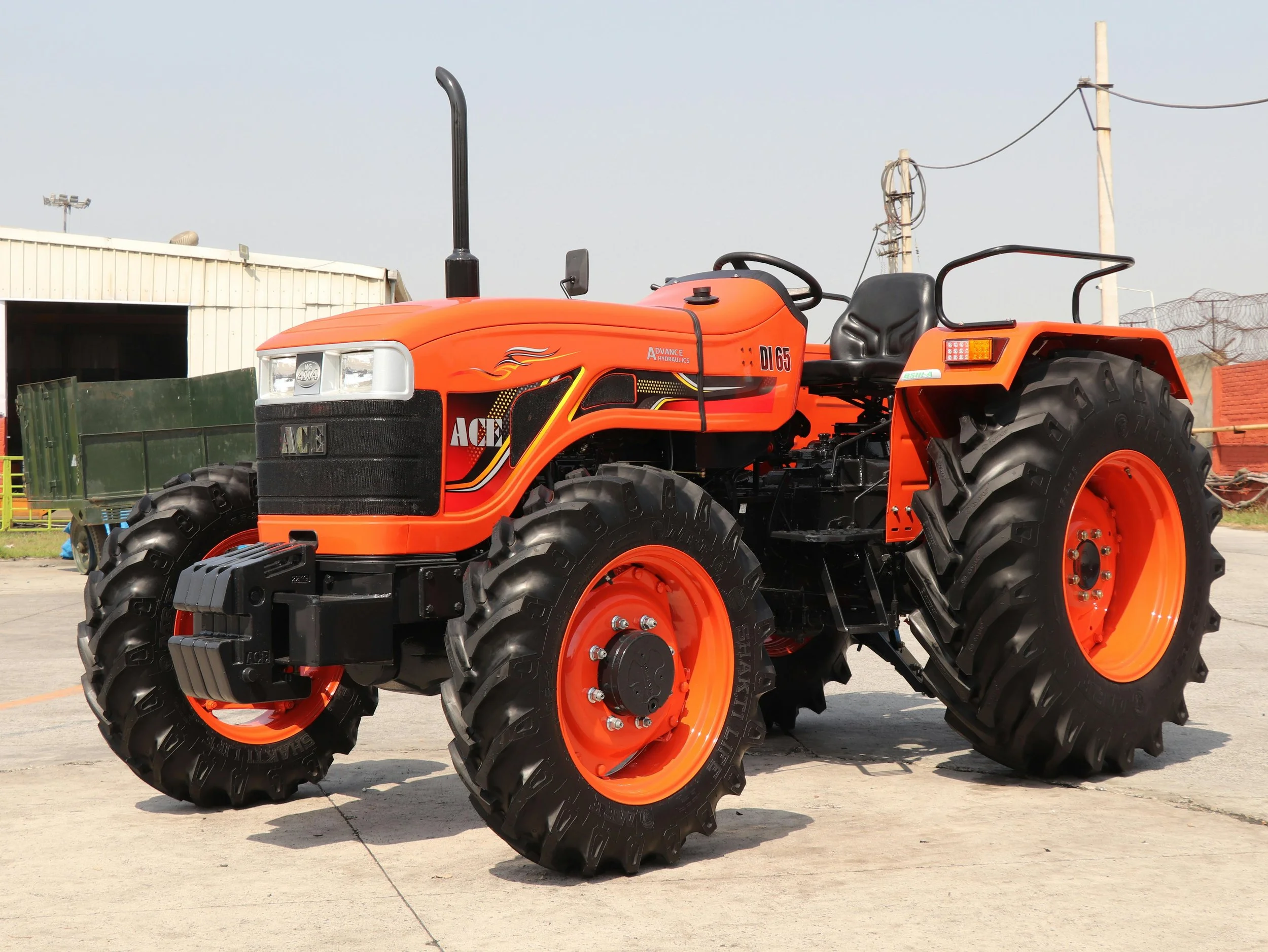
All property owners and land managers hope their equipment will be available when they need it.
Planting season. Harvest time. Weekend landscaping projects. Whenever downtime occurs, it's troublesome. According to Siemens, unscheduled downtime now costs the world's top 500 businesses 11% of annual revenue.
The issue…
Equipment owners rarely think about lifecycle management until their equipment breaks down. By the time it fails, the damage is done. The repair bill comes due. The schedule gets knocked off track. Productivity screeches to a halt.
Fortunately, most equipment downtime is preventable with a proper equipment lifecycle management plan.
You'll Learn:
Why Equipment Lifecycle Management Is Important
How To Select The Right Equipment Upfront
Maintenance Plan To Keep Equipment Running
When To Decide To Repair Or Replace
Why Equipment Lifecycle Management Is Important
Equipment lifecycle management means doing whatever is possible to keep your equipment running, starting from day one until the very end of its useful life.
Selecting the proper equipment for the job… scheduling regular maintenance… knowing when to upgrade.
Here's the deal:
If your tractor sits idle while your fields are waiting, that's money out of your pocket. It doesn't wait until you're done planting or harvesting to break down. Breakdowns occur whenever they want. Usually at the worst possible time.
They're also getting more expensive. Repair costs for farm equipment have risen by over 41% since 2020 according to the Bureau of Labor Statistics. That's right on track to double within the next 5 years.
Effective lifecycle management keeps machines running longer, cuts down on unexpected downtime, and extracts every ounce of value from your equipment investment.
How To Select The Right Equipment Upfront
Proper equipment lifecycle management begins long before your machine arrives on your property.
Why? Because purchasing the wrong machine for the job creates headaches that no maintenance schedule can prevent. For example, oversized tractors waste time and money. Tractors that are too small get overloaded and don't last as long.
Proper equipment selection is especially critical when choosing a compact or utility tractor within the right compact tractor horsepower range. Too little horsepower and the engine will constantly be under stress. Too much horsepower and you'll spend money on capabilities you may never need.
When evaluating potential purchases, ask yourself:
What are the workload requirements? Match the tractor's horsepower range to the job it will be doing day in and day out.
What are the terrain and operating conditions like? Do you have hilly terrain or rough fields? If so, you'll need different specifications than someone who works in flat, open land.
What attachments will you need? Ensure the tractor can handle the implements you require now and in the future.
What's the local dealer support and parts availability? Equipment with widely available parts and strong dealer networks spends less time in the repair shop.
Investing time into researching the right equipment to buy before pulling the trigger on a purchase pays huge dividends down the road.
Maintenance Plan To Keep Equipment Running
Here's the truth… this is where most people fail.
No one loves performing preventive maintenance. But routine maintenance is what separates machines that last 15+ years from ones that barely make it through the warranty.
Here's a stat for you...
Research shows farmers that operate within a strict preventive maintenance program experience 25% lower repair costs than those who wait for things to break. That's anywhere from $1250 to $2500 saved each season, depending on the cost of your equipment and how often it's used.
A good preventive maintenance plan includes:
Performing daily visual inspections. Fluid levels, leaks, belts, and hoses should be checked prior to using any equipment. Takes all of 5 minutes and can save hundreds of dollars by catching small problems before they turn into big ones.
Following the recommended service intervals. All equipment should be serviced at factory recommended intervals. Most compact tractors require service every 250 to 500 hours of use.
Keeping detailed records. Log every oil change, filter replacement, and repair. Proper record-keeping allows you to spot trends and know when parts are likely to need replacement before they break.
That's just the beginning…
Don't neglect proper storage either. Equipment that's left out in the elements will fall apart much quicker. Taking the time to keep your machines clean, dry, and covered will extend their lifecycle considerably.
Don't underestimate the power of training operators either.
Nothing shortens the lifecycle of expensive equipment faster than operators who ignore the basics. Running your tractor hard, running it when it clearly needs to be serviced, ignoring warning lights and dash icons, and failing to perform warm-up routines are all examples of poor operator training.
When To Decide To Repair Or Replace
This day always comes…
Even the most reliable machines will start costing more to repair than they're worth at some point. Part of a good lifecycle management plan is knowing when to cut your losses and purchase new equipment.
Think about it this way:
Consider the total cost of ownership. Purchase price, fuel costs, maintenance expenses, repairs, and downtime. When the repair bills and lost productivity start exceeding 50% of your equipment's value… it may be time to upgrade.
Certain signs will tell you that it's probably time to upgrade:
Repair bills are more frequent, even with regular maintenance
Parts are expensive or no longer available
It's no longer pulling its weight during busy times
New models are significantly more fuel-efficient or productive
Safety features are lacking compared to new standards
Also consider resale value. Equipment that has been maintained properly will hold its resale value much longer. Keep a log of all maintenance and stay on top of repairs.
And like with any big equipment purchase, plan for it way in advance. Set money aside for a future replacement. Start researching your next piece of equipment long before you need it. That way, when it's time to upgrade you can do it on your schedule rather than after your current tractor unexpectedly dies.
Wrapping Up
There's no silver bullet when it comes to avoiding downtime. But by managing equipment through every stage of its lifecycle, you can drastically reduce how often it's out of commission.
That includes everything covered here:
Investing the time necessary to select the proper equipment for your application
Creating a maintenance schedule and adhering to it religiously
Keeping detailed records of your equipment service history
Training your operators to properly use and care for your equipment
Knowing when to stop throwing good money after bad and start fresh with a new machine
Downtime is expensive.
But you have the power to limit how often it affects your operation. Take some time this week to evaluate your current maintenance procedures. Is there anything you can improve? Even small changes to your equipment lifecycle management practices can lead to big rewards.
Equipment that lasts the longest and works the hardest are the ones that receive constant care throughout their entire lives.
Related:
