
The Crash Is Over but the Paper Trail Is Just Beginning
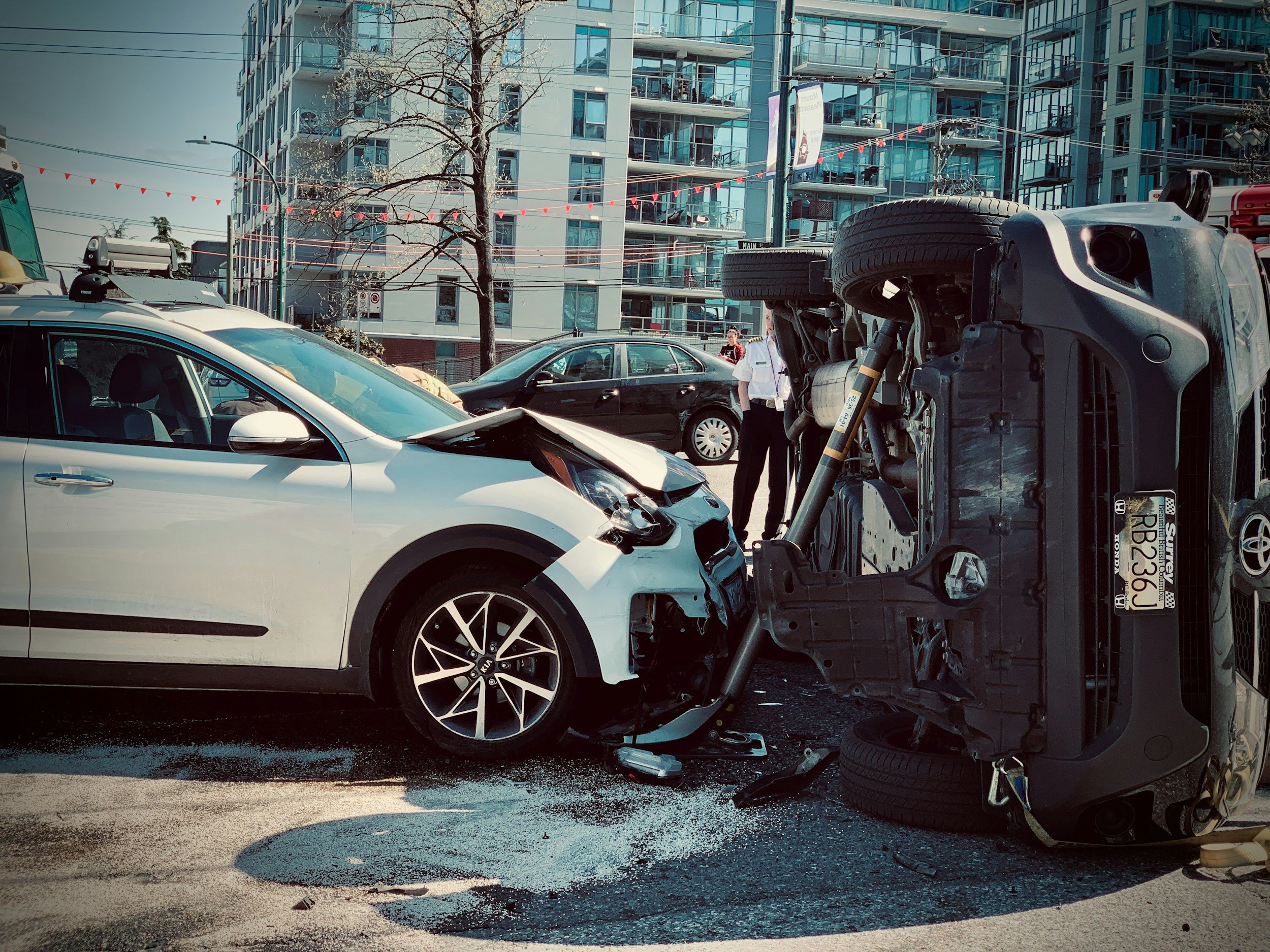
Once the damaged cars are moved and everyone leaves the scene, it can feel like the accident itself is finally behind you. But getting home doesn't necessarily mean everything is finished. There may still be reporting requirements, insurance calls, repair estimates, and medical paperwork waiting for attention.
That paperwork can feel especially annoying after an already stressful experience. Still, the details recorded in the hours and days afterward may become important when questions come up about injuries, vehicle damage, insurance coverage, or how the crash happened. A little organization early can prevent plenty of confusion later.
For someone dealing with a vehicle accident report in Salt Lake City, knowing what needs to be documented can make the aftermath much more manageable. The collision may have lasted seconds, but the administrative side can continue long after traffic starts moving again.
Some Crashes Come With Reporting Requirements
Not every fender bender creates exactly the same reporting obligations. In Utah, the circumstances of the crash can determine what drivers are required to do, particularly when someone is injured, killed, or when property damage reaches an applicable legal threshold.
Police involvement can also affect what happens next. An officer who responds may investigate the scene and prepare documentation based on the information available. In other situations, additional reporting steps may be required or appropriate after drivers leave. The exact requirements can depend on what occurred.
Because reporting rules and dollar thresholds can change, relying on something remembered from years ago isn't a great strategy. Drivers should check current Utah requirements for their particular situation. When there's uncertainty after a significant collision, getting accurate information early is much better than discovering later that a required step was missed.
The Report Starts With the Basic Facts
A crash record needs enough information to identify the people and vehicles involved. That can include driver names, contact details, license information, vehicle descriptions, and insurance information. The location, date, and approximate time of the collision help establish when and where everything happened.
Injuries are another important part of the picture. A report may document whether someone appeared injured or received medical assistance at the scene. Witness information can also be useful, particularly when the drivers disagree about what happened or nobody involved saw every part of the collision.
Then there are the basic crash details. Which directions were the vehicles traveling? What type of impact occurred? Were there traffic signals or signs nearby? The goal isn't to write a dramatic story. It's to preserve straightforward information that can help explain the event after the immediate confusion has passed.
Your Own Documentation Can Fill Important Gaps
An official report isn't the only useful record after a crash. Photographs can capture vehicle damage, debris, lane markings, traffic signs, weather, and the surrounding roadway before everything changes. Wider shots can provide context that close-up pictures of a damaged bumper simply can't show.
Medical documentation can become important when injuries are involved. Symptoms sometimes develop or worsen after the scene has been cleared, so records of evaluations, treatment, and follow-up care can help establish what happened afterward. Repair estimates and invoices can do something similar for vehicle damage.
Keeping witness contact information and insurance communications organized can save headaches too. Emails, claim numbers, photographs, receipts, and other documents have a habit of ending up in different places. Creating one place for accident-related information makes it much easier to find something when an insurer asks for it weeks later.
A Police Report Isn't the Final Word on Fault
Insurance companies may review accident reports when investigating claims because the reports can contain useful information gathered close to the time of the collision. Statements, diagrams, witness information, citations, and an officer's observations may all help an insurer build a clearer picture of what occurred.
Still, a report doesn't necessarily settle every disagreement. An officer may not have witnessed the crash and may be working from statements and physical evidence available afterward. Additional evidence, such as video, photographs, vehicle data, or independent witnesses, can sometimes add information that wasn't available when the report was prepared.
The same principle can matter if a collision later becomes part of a legal proceeding. Reports can be important, but ultimate responsibility may depend on the broader evidence and applicable law. One document can tell a meaningful part of the story without automatically being the entire story.
Conclusion
The roadside portion of an accident may end quickly, but the paperwork has a much longer life. Reports, insurance claims, medical records, repair documents, photographs, and witness information can all become part of sorting out what happened and dealing with the practical consequences afterward.
Handling those details carefully doesn't mean turning yourself into an accident investigator. It means preserving basic information while it's easy to find and checking which reporting requirements actually apply. A few organized steps early can save considerable time when an insurer, repair shop, medical provider, or another party needs information later.
Most drivers would rather put a crash behind them as quickly as possible. Taking care of the paper trail is part of doing exactly that. Once the required reporting and documentation are handled properly, there are fewer loose ends waiting to create confusion weeks or months down the road.
