
The Kitchen Sponge Is Dirtier Than the Toilet — What That Tells You About Cleaning a Home With Kids
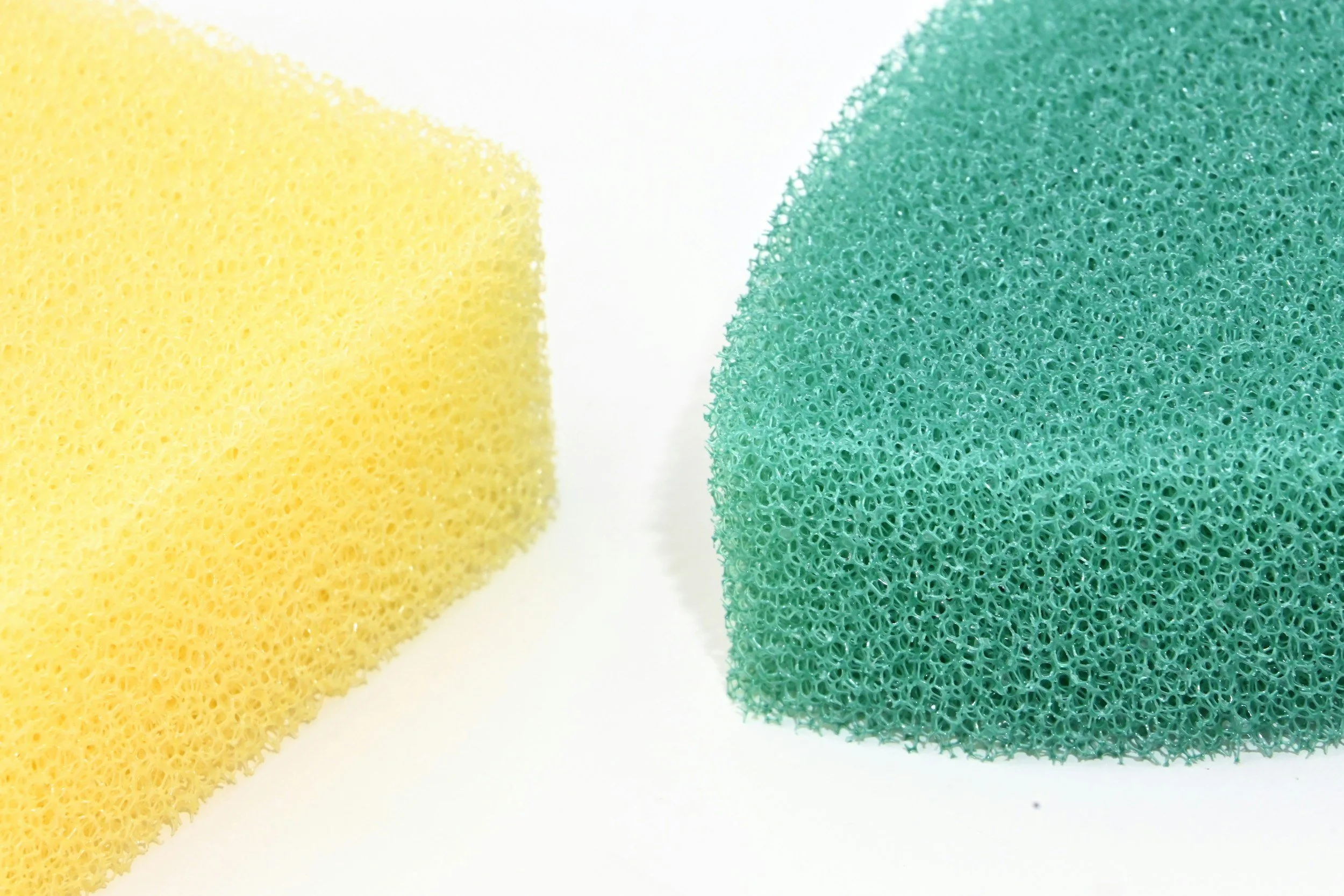
There's a damp sponge on the edge of your sink right now, the one you used to wipe down the high chair after breakfast. It carries more living bacteria than the rim of your toilet. That isn't a metaphor. A widely cited household germ study swabbed 30 everyday items across 22 family homes and found the kitchen sponge and dish rag topped the list, well ahead of the bathroom surfaces parents worry about most.
That single object is a useful thread to pull. Follow the sponge and you find most of what parents get wrong about a clean house: the wrong hotspots, the wrong tools, and a cabinet full of sprays that may be creating a different problem.
The Sponge Tells You Where the Real Hotspots Are
The sponge is dirtiest for a reason, and that reason points to every other overlooked spot in the house. Germs concentrate where three things overlap: moisture, food residue, and hands that touch everything else. Once you look through that lens, the map of a home shifts.
The bathroom faucet you scrub is probably cleaner than the places nobody thinks about:
Kitchen sink and drain area. Wet, fed constantly by food scraps, and touched right before you handle produce for your kids.
Cutting boards. Especially wooden ones with knife grooves that hold moisture long after they look dry.
Refrigerator drawers. Cool doesn't mean clean, and drips pool at the seams.
Toothbrush holders. They sit near the sink, catch splash, and rarely get washed themselves.
Pet bowls. Food, saliva, and a toddler who thinks the dog's dish is fascinating.
High-touch plastic. Remote controls, light switches, cabinet pulls, the handle of the stroller.
Heat and Light Do the Work Chemicals Get Credit For
Back to the sponge, because it makes the point cleanly. USDA researchers tested five ways to sanitize a contaminated sponge and found that a minute in the microwave or a full dishwasher cycle killed effectively all of the bacteria, yeast, and mold. Bleach and lemon soaks trailed badly. Physics beat chemistry. Durable tools make that routine easier to keep up, and suppliers like https://uscleaningtools.com/ carry the brushes, mops and pads built to survive repeated hot-water sanitising.
The same logic scales up. Short-wavelength ultraviolet light, the kind used in germicidal lamps, damages microbial DNA directly and leaves nothing behind to wipe off, which is why hospitals use it on rooms and equipment. Sunlight through a window helps too: dry, bright surfaces are hostile to the bacteria that thrive in your sink.
A Weekly Routine That Doesn't Rely on the Cabinet Under the Sink
Pull the thread all the way through and a simpler routine falls out. Not more product, but better sequencing.
Microwave the sponge. Wet it fully, one minute on high, every couple of days. Replace it monthly regardless.
Run the drain hot. A kettle of boiling water down the kitchen drain once a week disrupts the biofilm that feeds sink odor.
Wash the washables. Dish towels, bath mats, and stuffed toys go through a hot laundry cycle. Heat is the active ingredient.
Wipe with plain soap and water. For most high-touch plastic, this removes the film germs cling to. Save disinfectant for genuine sick days.
Choose gentler sprays. When you do reach for a product, look for ingredients that are easier on kids' lungs.
The sponge was mostly a signal. Follow it and you end up with a house that's meaningfully cleaner where it matters, with a lot less of the fumes that shouldn't be around your kids in the first place.
