
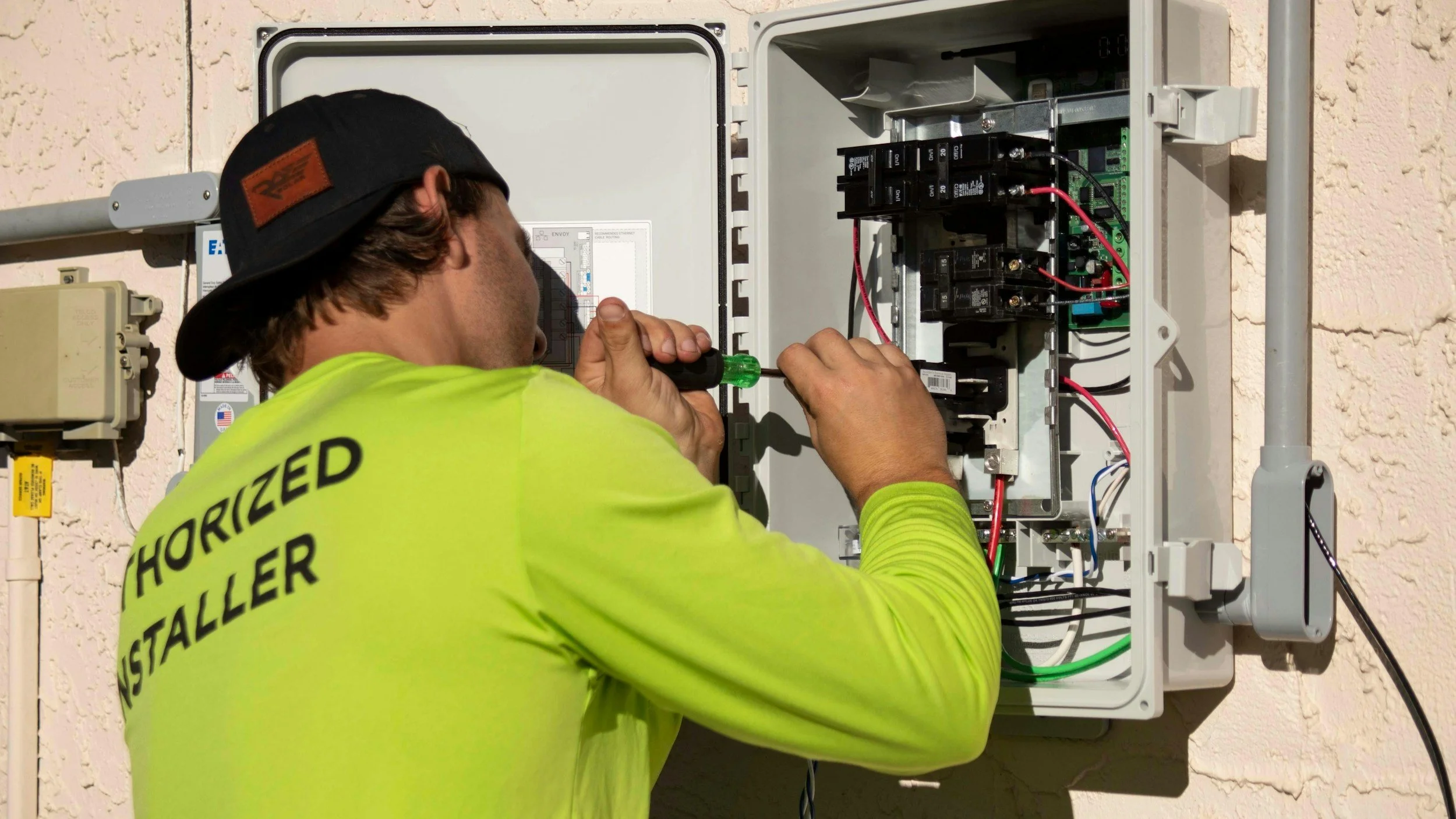
Somewhere in your garage, basement, or utility closet sits a plain gray metal box. It doesn't light up, it doesn't make noise, and it probably has a few cobwebs on it. Most people only open it when a breaker trips and the microwave suddenly goes dark mid-popcorn.
But that unassuming box is running the whole show. Every light, outlet, appliance, and gadget in the house depends on it. It takes electricity from the utility and divides it safely among dozens of circuits, all day, every day, without asking for a single thank-you.
As homes add more power-hungry technology, that box can become a bottleneck. That's why home electrical panel replacement Golden CO homeowners consider has become such an important topic. Your electrical capacity may decide what your house can realistically handle next.
Why Modern Homes Need More Power Than Older Homes Did
Homes built decades ago weren't designed for today's lifestyles. Back then, a house might have had a few lights, a fridge, a TV, and not much else. Now households are plugging in, charging up, and streaming everything all at once.
Electric vehicles are a big part of the shift. A Level 2 EV charger can draw substantial power for hours at a time. Add modern appliances like induction cooktops, electric dryers, and larger air conditioners, and electrical demand climbs quickly.
Home offices and electric heating pile on too. Computers, monitors, space heaters, and networking gear all draw power. Heat pumps and other electric heating systems are growing in popularity. Together, these loads can push an older electrical system right up to its limits.
How an Electrical Panel Controls the Flow of Power
Electricity enters the home from the utility and flows into the main panel. From there, it's split into branch circuits that power different areas, like the kitchen, bedrooms, bathrooms, and major appliances. The panel works like a traffic controller for electricity.
Each circuit is protected by a breaker. If a circuit draws more current than it's designed to safely carry, the breaker trips and cuts power. That basic overcurrent protection helps prevent wires from overheating, which reduces the risk of fire.
The electrical service capacity sets the overall limit. That's the total amount of power the home can draw from the utility at one time. The panel has to distribute power within that limit, and when demand gets too close to it, problems can start showing up.
The Warning Signs That an Electrical Panel Needs Attention
Overheating is a serious red flag. A panel that feels warm, smells like burning plastic, or makes buzzing or crackling sounds needs prompt professional attention. If you notice burning smells or see sparks, call an electrician right away and keep people away from the area.
Corrosion and damaged equipment are concerns too. Rust, moisture, scorch marks, or breakers that won't reset can point to problems inside the panel. These issues can affect connections and safety, so they shouldn't be ignored.
Inadequate capacity can show up more subtly. Breakers that trip often, no open slots for new circuits, or trouble adding appliances may mean the panel is maxed out. Some older panels may also have known reliability concerns. A professional evaluation can sort out what's really going on.
When Replacement Makes Sense and When Other Solutions May Work
It starts with a load calculation. An electrician can evaluate how much power the home currently uses and how much it will need for planned additions like an EV charger or new appliances. Sometimes there's more room than expected.
Panel condition matters too. A healthy panel with available capacity might just need new circuits. A damaged, outdated, or full panel may need replacement. In some cases, a service upgrade, which increases the total power coming into the home, may be necessary and can involve the utility.
Load management options can sometimes help. These systems balance when certain large loads run, letting a home add new equipment without immediately increasing service capacity. The right solution depends on the home's condition, needs, and future plans.
Conclusion
The electrical panel may be easy to ignore, but it shapes what your home can handle. As households add EVs, modern appliances, home offices, and electric heating, older panels and services can become a real bottleneck.
Breakers, circuits, and service capacity all work together to deliver power safely. Warning signs like overheating, corrosion, damage, and frequent tripping deserve professional evaluation, and load calculations help determine whether replacement, an upgrade, or load management makes the most sense.
Your home's electrical future starts at the panel. Making sure that little gray box can support both today's needs and tomorrow's plans helps keep everything running safely and smoothly.
