
The Importance Of Reliable Elevators In Family-Friendly Places
Written by Lea Collins.
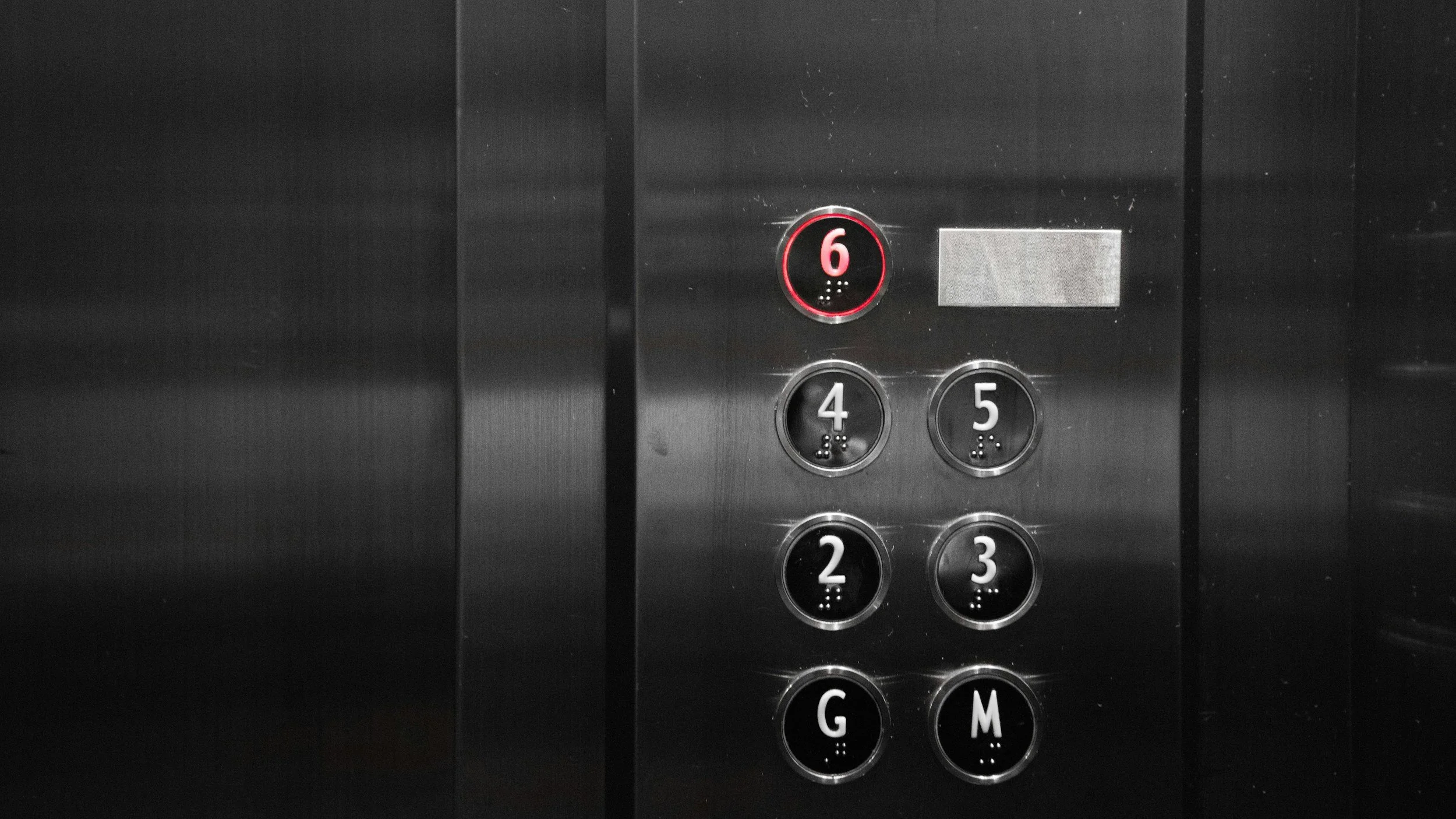
Families plan their days around simple routines, like park trips, grocery runs, school events, checkups, and museum visits. Elevators turn those plans into smooth movement for strollers, little legs, and grandparents who need a steady ride.
When elevators work every time, they fade into the background, and stress stays low. When they fail, the entire day can unravel, turning short errands into long waits and making once-inviting places feel off limits.
Why Reliability Matters For Families
Parents often plan routes around the single path a stroller can take. In many commercial buildings, Seattle elevator services ensure elevators are routinely inspected, maintained, and safe to use, so the lift people rely on is dependable and family-friendly. Short lines and quick doors turn tough transitions into smooth moments.
Kids tire quickly, and caregivers need predictable rides that reduce crowding and noise. A lift ready on every floor keeps trips short and calm. When the process feels easy, families use more of the building.
Reliability builds strong trust with parents and site teams. People rarely notice a lift that works, but they remember a failure. Consistent uptime turns first visits into repeat visits.
Safety, Trust, And Everyday Flow
Safety and reliability live together in family spaces. Parents want short waits, smooth starts and stops, and doors that sense little hands or a stroller bumper and reopen without hesitation.
Data underscores why consistent operation matters. A provincial safety authority in Ontario documented 9,649 elevator entrapments in a single year, a reminder that maintenance gaps can translate into real disruptions for everyday riders. Keeping equipment healthy reduces incidents and makes buildings feel safe for kids and caregivers.
Trust grows when people experience the same dependable ride day after day. When families expect an elevator to be ready and it is, they plan more confidently, spend more time on site, and use the full range of floors and amenities.
Accessibility Starts At The Elevator Door
Elevators are often the only accessible route for strollers, wheelchairs, walkers, and mobility devices. If the lift is down, the accessible route disappears, and families are left to navigate stairs or abandon plans.
Clear wayfinding and honest status information reduce frustration. In Washington, the state labor and industries agency places QR codes on elevator certificates so riders can view compliance history. That transparency helps guests trust the equipment they use.
Small touches amplify accessibility. Level floor thresholds, gentle door timing, and audible cues help caregivers steer safely while guiding kids. When these basics are tuned well, families feel in control from door to door.
When Elevators Go Down, Operations Slow
One stalled elevator can ripple through an entire site. Crowds gather, tempers rise, and staff get pulled from other duties to direct traffic or assist families in need.
An industry survey of facility leaders reported that aging infrastructure is their top concern, which includes vertical transportation in complex buildings. When reliability slips, schedules slip too, story time starts late, check-in lines stretch, and events lose momentum.
For hospitals and clinics that serve families, elevator delays can slow patient flow and strain staff. Reliable lifts protect the care experience by keeping people, equipment, and supplies moving without delay.
Maintenance That Prevents Disruptions
Preventive maintenance is the most family-friendly policy a building can adopt. Regular inspections, lubrication, and precise door adjustments remove the small issues that cause big headaches on busy weekends.
Digital logs and remote alerts shorten the gap between a minor fault and a fix. When a door reopens too often or a sensor misreads, a technician can respond before downtime hits peak traffic.
It pays to schedule work when families are least affected. Early mornings on weekdays or after closing hours limit disruption, protect revenue, and keep weekend crowds moving.
Design Details That Help Families
Family-friendly elevators start with space. A larger car makes room for a double stroller, a wheelchair, and a sibling holding a parent’s hand, all without crowding.
Controls should be simple and reachable. Buttons at an accessible height, clear floor labels, and tactile or audible confirmations help kids and caregivers use the panel quickly.
Inside the car, lighting and mirrors improve visibility and calm. Smooth acceleration and deceleration prevent spills and stumbles, helping riders of all ages feel steady and secure.
Reliable elevators make family-friendly places truly accessible and welcoming. When lifts are well maintained, clearly signed, and easy to use, families spend more time enjoying the destination and less time waiting.
Thoughtful maintenance and design pay off every day. The result is simple: smoother visits, safer movement, and spaces that work for everyone.
Related:
