
How to Train for a Multi-Day Walking Holiday
Booking the trip is the easy part. The difficulty arrives on day three, when your legs are already tired and the map still shows a climb ahead. Most people who struggle on a walking holiday are not unfit. They are untrained for consecutive days on foot, which is a different thing entirely.
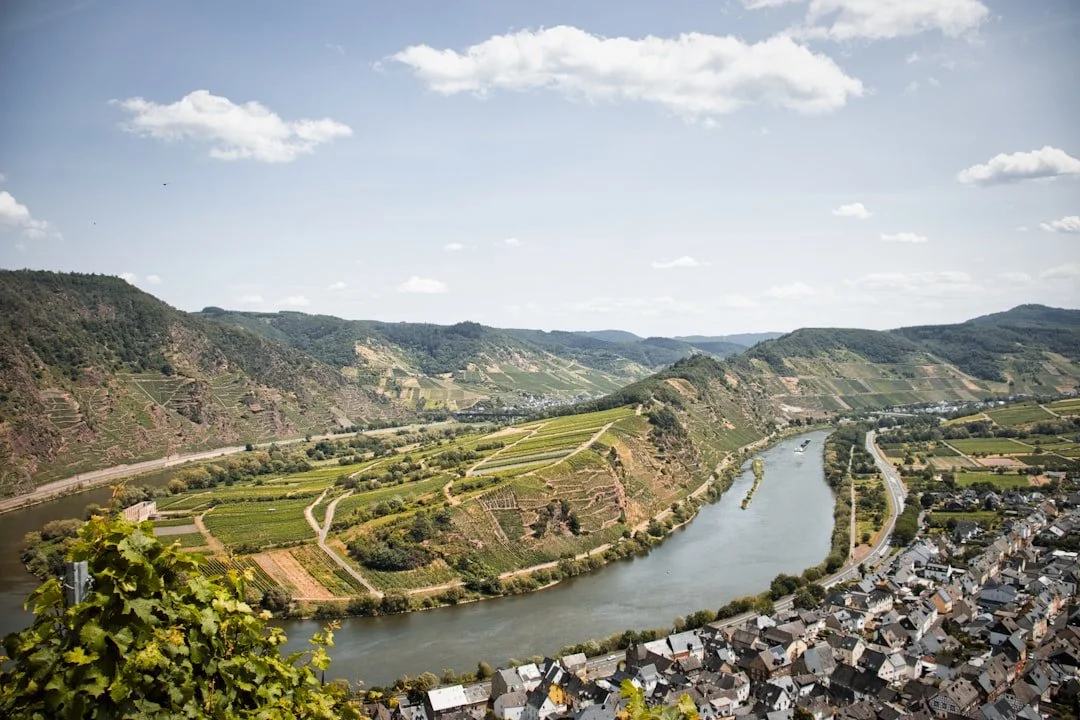
The gap shows up on a route like a douro valley walking tour, which covers 68 kilometers across eight days and rates itself 3 out of 5 for difficulty. The longest day runs 18 kilometers into Alijó. Its steepest stretch drops to cross the river of Pinhão, then climbs back up to roughly the same height. A single day like that is manageable for most reasonably active people. Four of them in a row is a separate question.
Why Does a Walking Trip Need Training?
A gym session is one effort with a night of sleep after it. A walking holiday is five or six efforts stacked end to end. Fatigue carries over, and so does soreness.
That is the part weekend hikers underestimate. You can be perfectly capable of a hard six hour walk and still fall apart on the third morning. The limiting factor is not your peak fitness. It is how well your body clears yesterday before today starts.
Training for this means practicing the repetition, not just the distance. Two moderate days back to back teach you more than one heroic Sunday.
There is a simple test for readiness. Walk a long stage on Saturday, then walk two thirds of it again on Sunday morning. If the second day feels steady rather than grim, your base is there. If not, you have found the thing to work on.
How Far Should You Build Up Before You Go?
Work backward from the longest day on your itinerary. If the hardest stage is 18 kilometers, you want at least one training walk near that distance, and several in the 12 to 15 range.
Build the weekly total gradually. A common rule is to add no more than about 10 percent per week, which sounds slow and prevents most of the trouble. Physical therapists manage overuse problems with graded activity and load management, and the same logic applies before anything hurts.
Three sessions a week is usually enough:
One long walk that grows week by week.
One shorter walk on hilly ground.
One easy recovery walk, flat and unhurried.
Converted rail corridors are useful here, since they let you walk for hours without stopping at road crossings.
Why Descending Hurts More Than Climbing
Ascent raises your heart rate and burns through energy. The Douro route has a day that climbs from about 80 meters to 550 meters, and that is the one most walkers brace for.
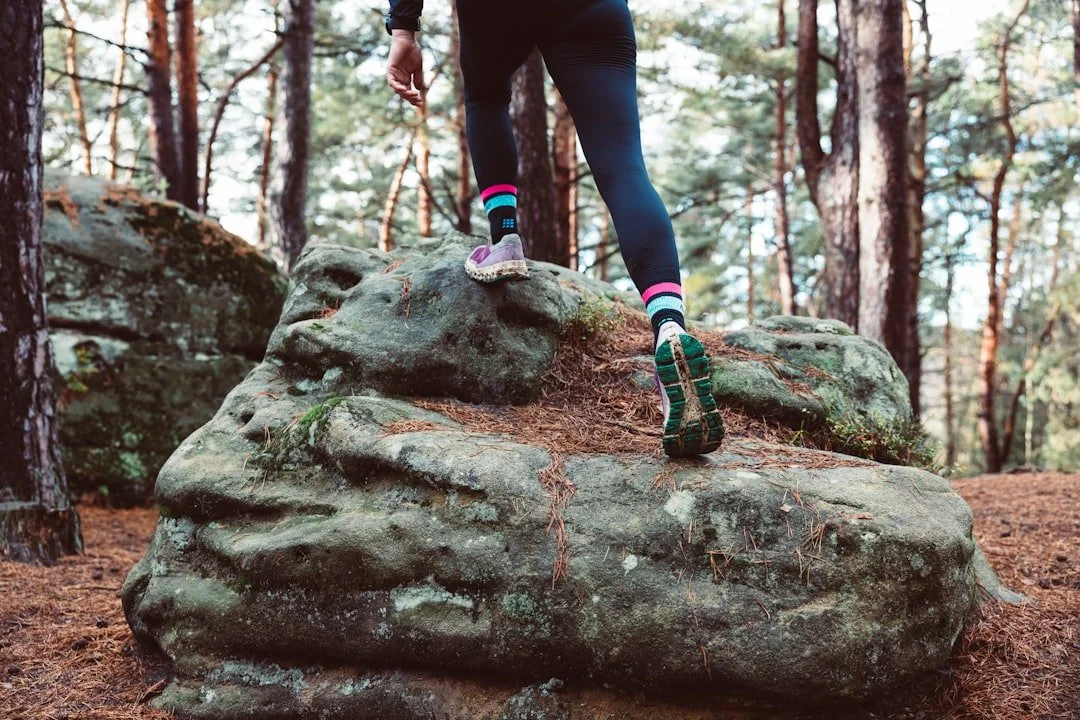
Descent is the part that actually wrecks people. Walking downhill loads the quadriceps eccentrically, meaning the muscle lengthens while resisting, and that is the pattern that produces deep soreness two days later.
A long descent is not a rest. The same itinerary finishes a later day with a fast drop back down to Pinhão, and legs that have already worked for five days feel it.
The fix is exposure. Find the longest hill you can reach and walk down it repeatedly, not just up. If you live somewhere flat, stadium steps or a parking garage ramp will do the job. Your legs adapt to descending surprisingly quickly, but only if you actually practice it.
Poles are worth trying before you decide about them. They take real load off the knees on a long descent, and they change how your shoulders feel by the end of the day. That is a preference best discovered at home.
How Do You Get Your Feet Ready?
Blisters end more walking holidays than fitness ever does. Boots need to be worn in well before departure, ideally over several long walks rather than a few short ones.
Socks deserve as much thought as the boots themselves. Thin liners under a thicker sock reduce friction, and changing socks halfway through a long day helps more than most people expect. Carry tape and cover any hot spot the moment you notice it, rather than at the next stop.
Wider planning around what you wear on a long walking day is worth settling in training, not on the trail. The same goes for your pack. Walk with the weight you intend to carry, because a loaded pack changes your gait.
Recovering Between Walking Days
Overnight recovery is where a multi-day trip is won. Eat properly at the end of each day, including protein and carbohydrate, and drink more than you feel like drinking.
Keep the evening walk short and gentle rather than sitting still for four hours. Light movement helps stiffness settle. Elevating your legs for twenty minutes before bed is a small habit with a noticeable payoff.
Sleep is the strongest recovery tool available, and it is the one most often sacrificed to a late dinner. Guided trips that move your luggage between hotels remove a real load from the equation, which matters more on day four than on day one.
Check your feet every evening, even when nothing hurts. A hot spot found on day two is a piece of tape. The same spot ignored becomes the reason you shorten day four.
Anyone over 35 should also read up on training adjustments in your 30s and 40s, because recovery windows lengthen with age.
Frequently Asked Questions About Training for a Walking Trip
How Long Should You Train Before a Walking Holiday?
Eight to twelve weeks suits most people starting from moderate fitness. If you already walk regularly, six weeks of targeted work is often enough.
Do You Need to Run to Get Ready?
No. Running builds useful aerobic fitness, but it does not rehearse the specific demand of long hours on your feet. Walking is the better preparation for walking.
What Should You Carry On a Training Walk?
Carry whatever you plan to carry on the trip, including water, layers and snacks. Training with an empty daypack and then walking with a full one is a common mistake.
Is Walking Enough On Its Own?
Mostly, though two short strength sessions a week help. Focus on calves, glutes and single leg balance, all of which protect the knees on descents.
Putting the Plan Together
Pick your longest day, count back ten weeks, and put three walks a week in the calendar. Build distance slowly, practice going downhill, and sort out your boots early.
None of it is complicated, and none of it needs a coach or a gym membership. It just has to happen before you leave.
Done properly, the training disappears into the trip. You spend the week looking at the valley instead of counting the switchbacks left until lunch.
