
Top 3 Welding Equipment Companies Powering DIY Success Stories
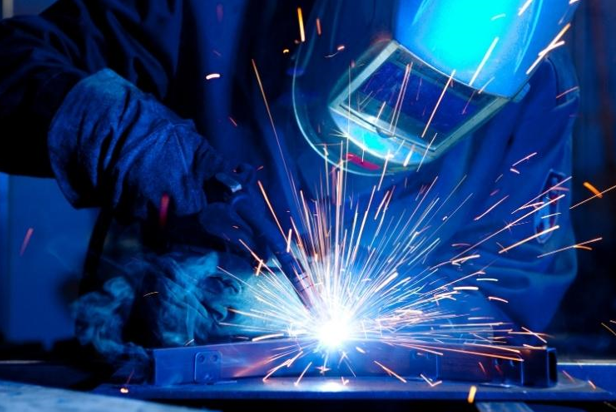
Image by Andreyuu from Getty Images via Canva
DIY welding projects have surged over the past few years, from home fabrication builds to farm equipment repairs and custom automotive work. Hobbyists and part-time welders now expect the same reliability that professional welders demand on the job site.
The right equipment choice can mean the difference between a clean, safe weld and a frustrating, unsafe one. Auto-darkening lenses, comfortable headgear, and dependable safety features all play a role in whether a welder finishes a project confidently or gives up halfway through.
This article looks at three companies making an impact in the DIY welding space, each offering a distinct approach to helmets, lenses, and protective gear.
Top 3 Welding Equipment Companies Powering DIY Success
These three companies each take a different approach to serving welders working outside a traditional industrial shop, and comparing them side by side makes the differences easier to spot.
1. Ridge Products Welding
Ridge Products Welding is an emerging e-commerce brand built around high-performance welding components and safety gear. Founder Matthew Wood, a former professional welder, started the company as a hobby before shifting to a direct-to-consumer model through ridgeproductswelding.com. The brand sells its full lineup of lenses, hoods, and welding accessories. The company avoids broad industrial catalogs in favor of specialized products that experienced welders often struggle to find elsewhere.
Key Features:
Specialized Lens Options Beyond Standard Shades: The brand offers auto-darkening lenses, along with gold-, silver-, and cobalt-blue-tinted options, plus clear and shade-specific lenses ranging from 9 to 13.
Signature Hood Styles for Specific Welding Positions: The Sugar Scoop and Pipeliner hood designs are built for welders who need a wider field of view or better positioning during overhead and confined-space work.
Rod Ovens for Consistent Electrode Performance: Rod heaters help stick welders keep electrodes dry and consistent, an often overlooked but important part of a reliable setup.
Planned Expansion Into Broader Protective Gear: Gloves, jackets, and goggles are in development to round out the product line.
Best For:
Experienced craftsmen, including pipeline welders, who need specialized components rather than general industrial equipment.
Standout Quality:
Ridge Products Welding's focus on niche, high-intent products, rather than competing with broad industrial suppliers, has led to rapid organic growth. Top-3 keyword rankings for the brand increased by 900 percent over a recent three-month period, reflecting real demand for the specialized gear it offers.
2. Lincoln Electric
Lincoln Electric has manufactured welding equipment for well over a century and remains one of the most recognized names in the industry. Its Viking 3350 helmet series uses 4C lens technology and includes both variable and fixed-shade options, along with dual power via solar cells and batteries.
Key Features:
Wide Range Serving Hobbyists Through Professionals: Lincoln's helmet lineup spans economical models for beginners up through premium options built for daily industrial use.
ANSI and CSA Certified Safety Standards: Helmets meet ANSI Z87.1 and CAN/CSA Z94.3 requirements for eye and face protection.
Dual Power Options for Reliability: Helmets run on rechargeable lithium batteries, solar cells, or a combination of both, reducing the risk of a dead battery mid-project.
Extensive Customization and Graphic Designs: Welders can choose from dozens of colors and finishes across the helmet catalog.
Best For:
DIY welders and hobbyists who want a well-established brand with helmets available at multiple price points.
3. Miller Electric
Miller Electric serves welders ranging from students and hobbyists to heavy industrial professionals. Its helmet lineup includes the Classic, Digital Performance, Digital Elite, and Digital Infinity series, as well as the T94 line, built for high-heat industrial environments.
Key Features:
ClearLight Lens Technology Across Most Models: Miller's ClearLight and ClearLight 4x lens technology aims to improve color visibility and reduce eye strain during long welding sessions.
Multiple Viewing Area Sizes: Viewing areas range from smaller, economical designs up to the Digital Infinity's larger lens for improved visibility.
X-Mode for Outdoor and Bright-Light Welding: Some models include settings designed to reduce false triggering in bright sunlight or inconsistent lighting.
Warranty Coverage Backing Product Durability: Helmets come with multi-year warranties depending on the series, giving buyers some assurance against defects.
Best For:
Welders who want a broad selection spanning entry-level to professional-grade helmets from a single manufacturer.
What to Look for in Welding Equipment for DIY Projects
Not every welding helmet or lens works well for every welder. A few criteria consistently separate reliable gear from disappointing purchases.
Optical Clarity Matters More Than Price Alone: A helmet with a poor optical rating will strain your eyes and make it harder to judge the weld puddle accurately.
Headgear Comfort Affects Long Sessions: Poorly fitted headgear causes neck strain and distraction during extended welding sessions, even when the lens itself performs well.
Durability Determines Long-Term Value: Equipment that withstands heat, sparks, and daily use saves money over time compared to cheaper gear that requires frequent replacement.
Compatibility With Multiple Welding Processes Adds Flexibility: Helmets and lenses that work with MIG, TIG, and stick welding let DIYers avoid buying separate gear for each project.
Accessory Support Extends Equipment Life: Replacement lenses, headgear pads, and cover lenses allow welders to maintain their gear rather than replace an entire helmet after normal wear.
A comparison of these factors against price and brand reputation gives DIY welders a clearer picture of which equipment actually fits their needs. Specialized components, such as tinted lenses built for specific welding positions or rod ovens designed for electrode storage, often matter as much to an experienced welder as the helmet itself. Welders who are new to sourcing their own gear, rather than relying on a shop's supply, commonly overlook these smaller pieces of equipment.
Conclusion
The type of work at hand should drive the gear choice, more than chasing a brand name. Optical clarity, headgear comfort, durability, and process compatibility all play a part in the outcome.
DIY welders taking on ambitious projects, whether for custom fabrication or automotive builds, benefit from equipment built to withstand repeated use without sacrificing safety. A comparison against the criteria outlined here gives any welder a better shot at a safe, successful project.
