
What Is GFCI Extension Cord, And Why Do You Need It?
Electricity powers nearly everything you depend on every day, but it poses risks that are easy to ignore. For example, the use of regular extension cords in damp areas, outside, or near heavy equipment can easily become hazardous. Even the smallest breach, such as damaged insulation or exposure to moisture, may result in electric shock or failure of equipment. At the same time, many setups don't have built-in protection, meaning that the risk is higher when extending power beyond the fixed power outlets.
This is where the Ground Fault Circuit Interrupter (GFCI) plays an important role. It is specifically designed to identify imbalances in electric current and immediately shut off power before the damage occurs.
In this article, you'll learn what a GFCI extension cord is, how it works, and why it's so important for safer everyday power use.
What Is GFCI Extension Cord?
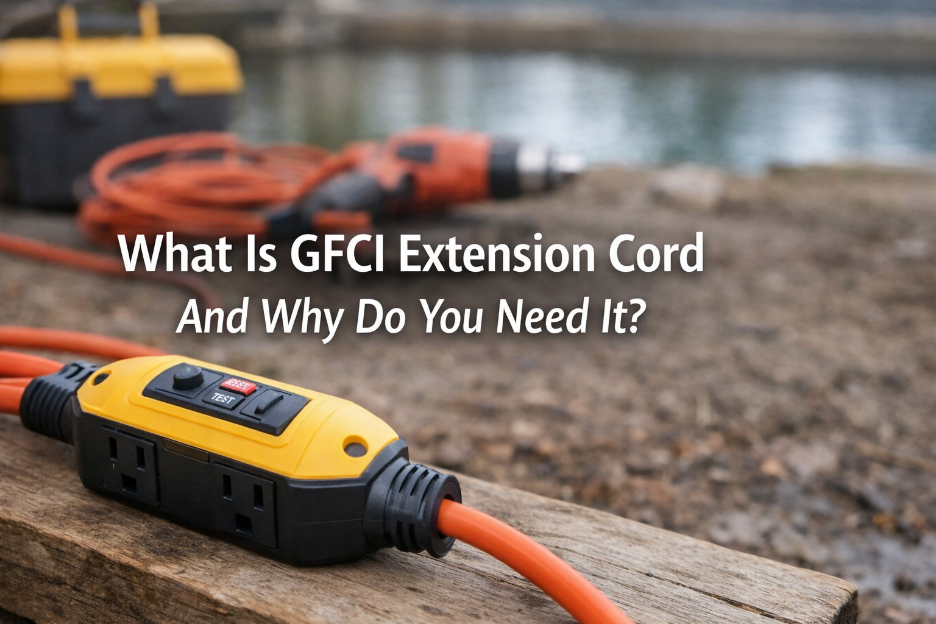
A GFCI extension cord is a special electrical power cord that helps to safeguard against any electrical unknowns, especially ground faults. As opposed to traditional cords, it has an internal Ground Fault Circuit Interrupter, which constantly checks the flow of electricity.
When the system senses an imbalance like leakage of current through water or a person, it instantly cuts off power. This reaction normally occurs in milliseconds, which greatly minimizes the dangers of severe harm.
In addition, these cords usually have test and reset buttons, and with this, you may confirm that the protection system is working correctly. Due to this additional safety measure, they are extensively applicable to a place where there are more electrical hazards than normal.
How Does GFCI Extension Cord Work?
To realize its value, it is useful to examine the way the mechanism works. A GFCI continuously measures the current flowing into a device against the current flowing out of it. In normal conditions, these two values must be equal.
Nevertheless, when electricity leaves the circuit because of water contact or broken insulation, the balance is broken. At this stage, the GFCI identifies the difference, and it immediately switches off the power supply.
Consequently, possible shocks are avoided before they become hazardous. This renders the cord particularly applicable in erratic locations where electricity exposure may shift within a short time.
Additionally, the reset button will enable you to restart the power after the problem is fixed, ensuring both safety and convenience without any complicated intervention.
How Does a GFCI Extension Cord Work?
Normal extension cords are made to supply power and not provide security against electrical hazards. Although they can work satisfactorily in controlled indoor environments, they fail on issues of moisture, heavy loads, or physical wear.
To illustrate, when a standard cord is being used outside or in places close to water bodies, it is more likely to leak current. In these situations, it has no inherent system to prevent the flow, which can cause a shock or even a fire.
Conversely, a GFCI-equipped cord actively checks the conditions and responds immediately. Due to this, it offers a proactive safety measure as opposed to a reactive one.
Therefore, relying on basic cord in higher-risk locations exposes you to unnecessary danger. Upgrading to an alternate, safer product is no longer a recommendation - it becomes a practical necessity.
Where You Actually Need GFCI Extension Cord?
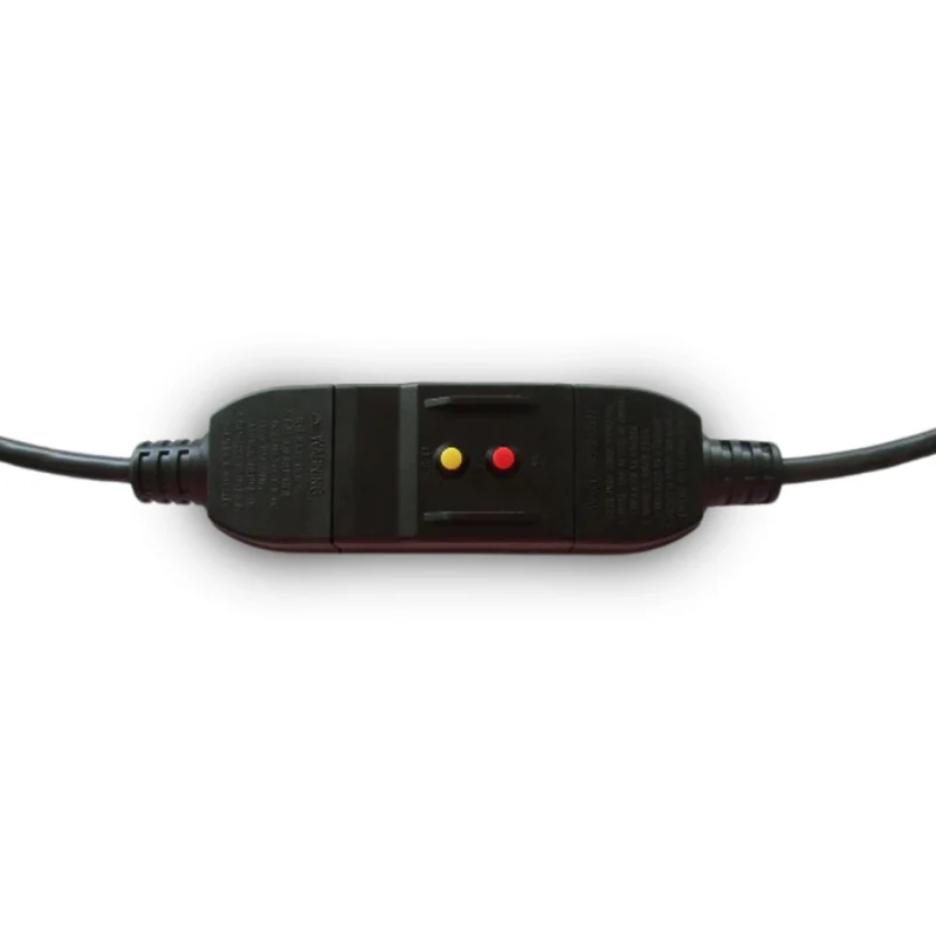
The knowledge of where to use this type of cord is equally important as the knowledge of how it works. Some environments naturally have elevated electrical risks, which makes GFCI protection essential.
Outdoor locations: Gardens, patios, and construction sites usually deal with moisture and uneven surfaces.
Wet places: Kitchens, bathrooms, and basements are likely to be exposed to water.
Workshops and industrial spaces: The heavy machinery and power tools increase the load demands and the risk levels.
Temporary installations: Temporary installations may include events, repair works, or temporary equipment setups that do not have permanent safety infrastructure.
In both of these situations, electricity and the environment combine to increase the stakes. Therefore, a GFCI extension cord will guarantee that the distribution of power is controlled and safe.
By identifying these use cases, you can make more informed decisions about when additional protection is necessary.
Key Benefits That Make It Worth Using
Choosing the right extension cord is not simply about compatibility - it's about performance and protection. A GFCI extension cord has a number of advantages, which directly affect safety and reliability.
First, it greatly helps in reducing the risk of electric shock by breaking the faulty flow of electricity. This alone makes it an important tool in environments where exposure is unpredictable.
Second, it helps to protect devices connected to it from damage caused by electrical faults. By cutting off the power fast, it avoids overheating and potential failure.
Additionally, many of these cords are also made with durable materials, which makes them suitable for both indoor and outdoor use. Their design often has higher sustained loads, which is useful for fewer applications.
Finally, they help in long-term cost savings. Preventing accidents and damage to equipment helps reduce the possibility of costly repairs or replacements.
Conclusion
Electrical safety often depends on the small decisions you make, such as the type of extension cord you use. While standard cords may seem sufficient, they lack the protective features needed for higher-risk environments.
In contrast, a GFCI extension cord adds an essential layer of protection by detecting faults and shutting off power instantly. This capability not only reduces the risk of electric shock but also safeguards your equipment and surroundings.
As you evaluate your power needs, consider where and how you use electricity. By choosing the right tools and applying them correctly, you create a safer and more reliable setup for both everyday tasks and demanding applications.
Related:
