
High-Functioning PTSD: When You’re ‘Fine’ on the Outside but Struggling Internally
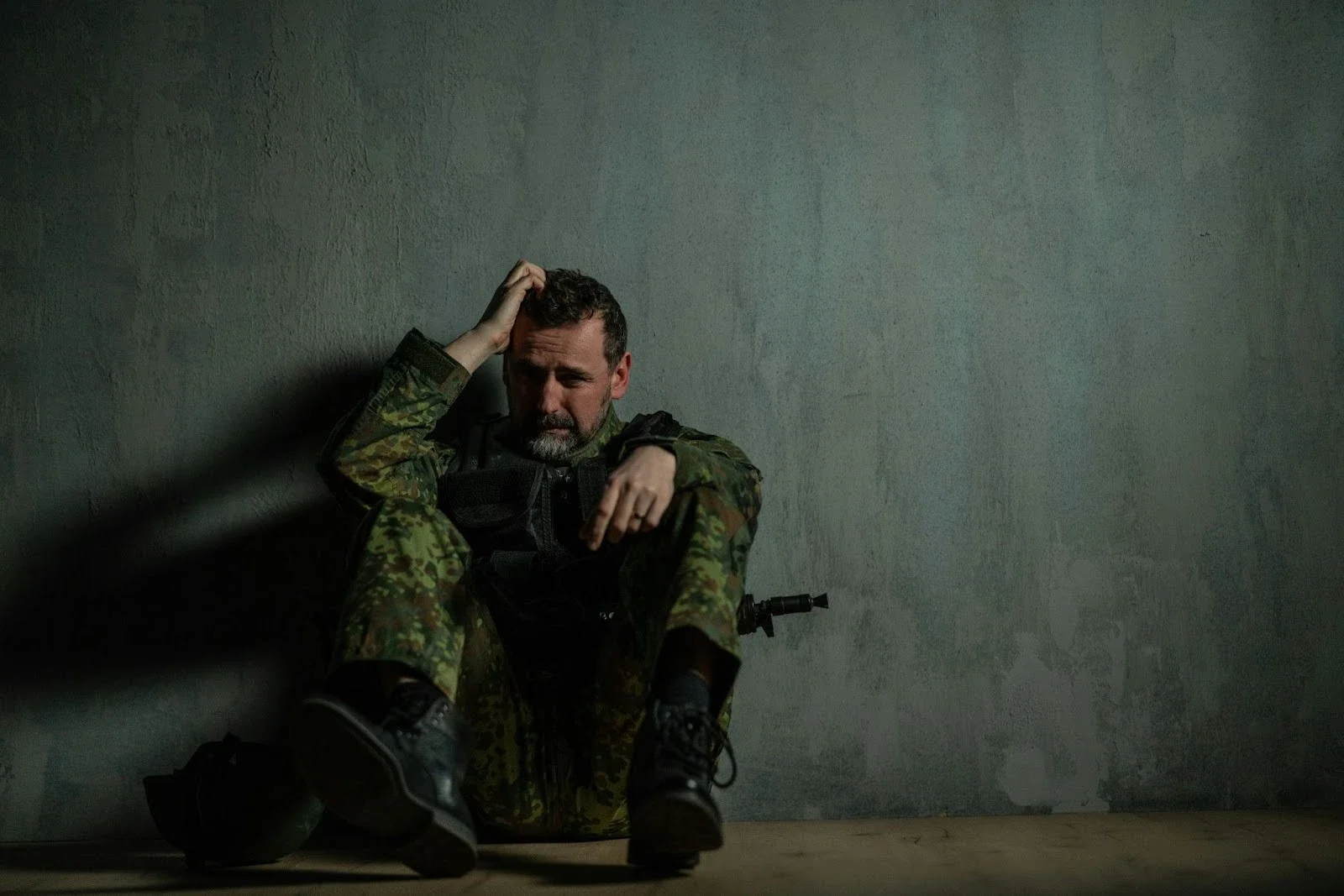
There’s a version of trauma that doesn’t fit the stereotype. No visible breakdowns. No obvious triggers. No dramatic moments that signal something is wrong. Instead, everything appears… fine.
Work gets done. Deadlines are met. Relationships are maintained—at least on the surface. From the outside, life looks stable, even successful. But internally, it can feel like running on fumes. This is often what high-functioning PTSD looks like.
For many people, the idea of seeking support—whether through general therapy or something more specific like PTSD counselling Melbourne services—doesn’t even cross their mind. Not because they don’t need it, but because they don’t recognise their experience as trauma-related in the first place.
High-functioning PTSD tends to fly under the radar precisely because it doesn’t disrupt external performance right away. Instead, it shows up in quieter, more insidious ways—chronic stress, emotional detachment, irritability, or a constant sense of unease that never quite switches off. You’re coping, but it comes at a cost.
And over time, that cost builds.
What Is High-Functioning PTSD?
High-functioning PTSD isn’t a formal diagnosis, but it’s a very real experience. It describes people who meet many of the criteria for post-traumatic stress but continue to operate at a high level in their daily lives.
They go to work. They maintain routines. They might even be high achievers. But underneath that structure is a nervous system that hasn’t fully processed what it’s been through.
This can stem from a wide range of experiences—not just extreme or life-threatening events. Workplace burnout, prolonged stress, medical trauma, difficult relationships, or growing up in unstable environments can all contribute.
The key difference is that instead of shutting down externally, the body and mind keep pushing forward. That forward motion can mask what’s happening beneath the surface.
The Subtle Signs Most People Miss
Because high-functioning PTSD doesn’t always present in obvious ways, the signs are often misinterpreted or dismissed entirely.
Some of the most common indicators include:
Constant low-level anxiety that never fully disappears
Emotional numbness or feeling disconnected from people and experiences
Irritability or short temper, especially in high-pressure situations
Difficulty relaxing, even during downtime
Overworking or overcommitting to avoid stillness
Sleep disturbances, including trouble falling or staying asleep
Hyper-independence, where relying on others feels uncomfortable
Individually, these might seem manageable. Together, they create a baseline of tension that becomes your “normal.”
That’s where it gets tricky—because if something feels normal, you’re less likely to question it.
Why High-Functioning PTSD Often Goes Unnoticed
There’s a cultural bias toward visible struggle. If someone is breaking down, withdrawing, or clearly not coping, it’s easier to recognise that something is wrong.
But if someone is productive, social, and outwardly stable, their internal experience is rarely questioned.
In fact, high-functioning individuals are often praised for their resilience. They’re seen as reliable, driven, and capable. What’s overlooked is how much effort it takes to maintain that image.
There’s also an internal narrative at play:
“Other people have it worse.”
“I should be able to handle this.”
“It’s not that bad.”
These thoughts reinforce avoidance and delay support. Over time, they can make it harder to recognise when help is needed.
The Hidden Cost of ‘Holding It Together’
Operating in a constant state of internal stress has long-term effects.
Mentally, it can lead to burnout, anxiety disorders, or depression. Emotionally, it creates distance—from others and from yourself. Physically, chronic stress impacts sleep, immune function, and overall energy levels.
There’s also a cumulative effect. The longer trauma remains unprocessed, the more it shapes behaviour, relationships, and decision-making patterns.
You might find yourself:
Avoiding certain situations without fully understanding why
Struggling to feel present, even in positive moments
Reacting more strongly than expected to minor stressors
Feeling stuck in cycles that don’t seem to shift
None of this happens overnight. It builds gradually, which makes it easy to overlook—until it starts to interfere with quality of life.
How Counselling Helps Break the Pattern
The goal of PTSD counselling isn’t to “fix” you. It’s to help your nervous system process what it hasn’t had the chance to fully resolve.
That starts with awareness.
A good therapist will help you identify patterns that may have gone unnoticed—how your body responds to stress, how your thoughts are shaped by past experiences, and how certain behaviours have developed as coping mechanisms.
From there, the work becomes more targeted.
Approaches may include:
Cognitive Behavioural Therapy (CBT) to reframe unhelpful thought patterns
EMDR (Eye Movement Desensitisation and Reprocessing) to process traumatic memories
Somatic therapies that focus on how trauma is stored in the body
Grounding techniques to regulate the nervous system in real time
Importantly, counselling moves at your pace. There’s no need to relive everything all at once. The focus is on creating safety first, then gradually working through what’s been held beneath the surface.
What Progress Actually Looks Like
One of the biggest misconceptions about trauma recovery is that it’s dramatic or immediate. In reality, progress is often subtle—but meaningful.
It might look like:
Feeling slightly more relaxed in situations that used to feel tense
Being able to pause before reacting
Sleeping more consistently
Noticing emotions instead of avoiding them
Feeling more present in conversations and daily life
These shifts build over time. And while they may seem small, they represent a significant change in how your system is functioning.
When to Consider Reaching Out
If you relate to the idea of holding things together externally while struggling internally, it’s worth paying attention to that.
You don’t need to hit a breaking point to benefit from support.
In fact, high-functioning PTSD often responds well to early intervention—before patterns become more deeply ingrained.
A useful question to ask yourself is:
“Am I coping, or am I actually okay?”
There’s a difference.
Final Thoughts
High-functioning PTSD can be easy to miss, especially when life looks stable on the surface. But internal stress doesn’t disappear just because it’s hidden well.
Recognising the signs is the first step. From there, support becomes an option—not as a last resort, but as a proactive way to improve how you feel day to day.
You don’t have to wait until things fall apart to take that step.
Related:
