
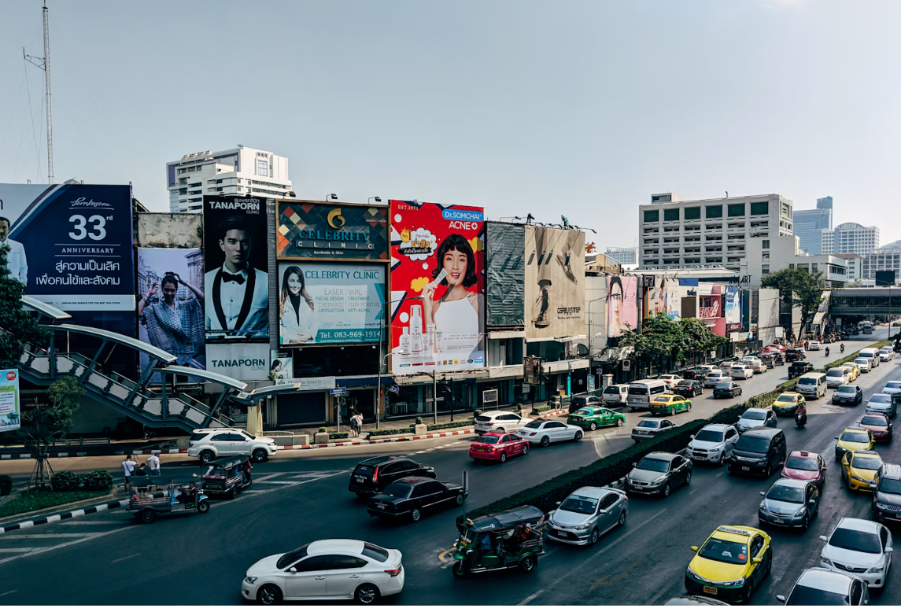
Choosing large format printing for your business can be harder than it seems. You might be comparing banners, window graphics, vehicle wraps, and trade show displays without realizing the elements that are most important for good results. The wrong choice can result in faded colors, poor images, or a sign that doesn't reach you until after your event.
The good news is that a few simple checks can help you avoid these problems. With adequate knowledge in hand, you can compare the printing services with confidence and spend your budget wisely. A good choice also equates to less delay, fewer reprints, and graphics that appear exactly as expected from day one.
This article explains six things businesses should consider before placing an order, helping you plan your next project with much less stress.
1. Identify The Purpose and Intended Use of Your Printed Graphics
Start by asking what you want your graphic to do for your business. Some prints welcome visitors, while others help people find their way around a building or promote a seasonal sale. Once you know your goal, large format printing becomes much easier to plan because every other choice depends on it.
Where you place the graphic matters just as much as why you need it. A banner above a stage needs large, clear words, while a lobby display can include more details. The distance between the graphic and its viewers affects how large your text and images should be, so consider how far away people will stand.
Finally, decide how long you need the graphic to last. A banner for a weekend sale has different needs from a wall mural designed to last for years. Writing down these details helps you avoid paying for features you do not need.
2. Choose Materials That Match Your Durability and Lifespan Needs
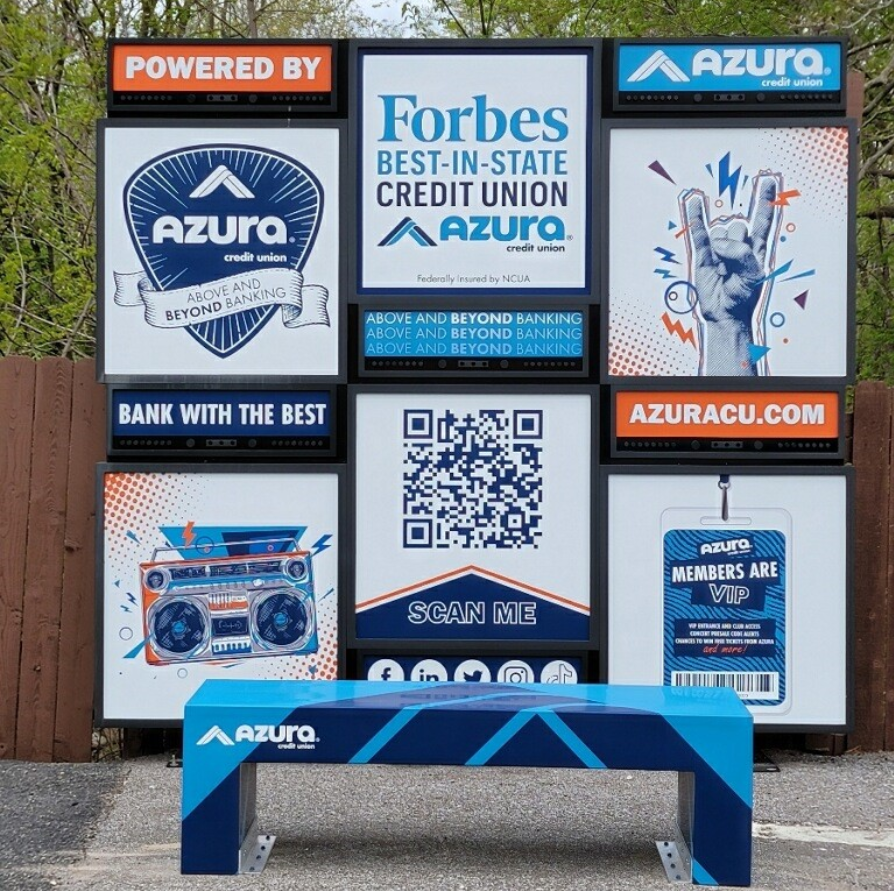
The material you choose affects how long your graphic stays in good condition. Vinyl is strong and works well for many signs, while fabric feels softer and hangs smoothly at events. Mesh has small holes that allow wind to pass through, making it a safer choice for fences and large outdoor walls.
Outdoor weather can damage a poor-quality print faster than many people expect. Sunlight, rain, and wind can all wear down a graphic, so you need materials and inks that resist weather damage and fading. Without this protection, bright reds and blues can lose their color in just a few weeks.
Indoor graphics face fewer problems because they are not exposed to harsh weather. Even so, busy hallways can cause scratches or tears in thin materials, so stronger surfaces may still be worth the cost. Choosing materials based on how long you need them helps control costs and keeps your graphics looking good.
3. Evaluate Print Quality and Color Accuracy
Large prints make small mistakes easier to see, which makes print quality very important. A file that looks clear on your screen may become blurry when enlarged to its final size. For most large prints, 100 to 150 DPI at the final size helps produce a clear result.
Color is just as important to check before approving a print job. Screens use RGB, while printers use CMYK, so colors on your monitor may look different on the finished print. A printed proof lets you check the actual colors first, which costs much less than correcting an entire batch.
Edges are easy to miss, but they can affect the final appearance of a print. Bleed is extra image space that extends beyond the cutting line, helping prevent thin white strips from appearing after trimming. A careful printing provider will check these details with you before printing begins.
4. Check Available Sizes and Finishing Options for Your Display Method
Different printers have different size limits, so ask about them early. Large format printing usually starts with graphics wider than 24 inches, but some projects require much larger prints. Check whether your chosen size can be printed in one piece or must be divided into panels that fit together neatly.
Once you know the size, choose a finish that suits how you plan to display the graphic. Grommets and folded, stitched edges help banners hang securely, while pole pockets work well for banners placed on frames. Mounting a print on a board is a better choice when it needs to remain flat and firm.
Coatings are also important because they affect how a print handles touch and light. Gloss lamination makes colors look bright, while matte lamination reduces glare in brightly lit rooms. Choosing the right finish from the beginning helps your graphic stay neat from the first day to the last.
5. Confirm Installation Support for Complex or Multi-Panel Projects
Even a high-quality print can look poor if it is installed incorrectly. Large graphics can be heavy, difficult to handle, and hard to align without the right tools. That is why it is helpful to ask early what support the printer offers after the printing work is complete.
Projects with several panels need extra care because each piece must match the one beside it. Wall murals and window graphics, for example, can look uneven when their edges do not line up. Printers who provide templates and clear lists of the required tools make installation much easier.
Larger projects may need a team to install the graphics on site, especially in tall buildings or busy areas. This saves time and reduces the risk of tears, air bubbles, or crooked placement. Before choosing a provider, find out whether you will receive simple instructions or complete installation support.
6. Assess Provider Expertise and Turnaround Reliability
Deadlines are especially important for events, product launches, and seasonal sales because late graphics can quickly lose their value. Ask each provider how often it meets deadlines and how it manages urgent orders. A reliable history of on-time delivery usually means more than a quick promise.
Experience is equally important because skilled teams can find problems before printing begins. Review their past work, including event backdrops, vehicle wraps, window films, and museum graphics. Examples from your own industry can show whether the team understands your needs.
Support throughout the project matters just as much as the finished print. A good team helps with design, checks your files, and points out possible problems before printing starts. As a result, you spend less time correcting mistakes and more time using your graphics.
Conclusion
Good results do not usually happen by chance. They come from asking the right questions before spending your money. When you plan large format printing instead of rushing into an order, your graphics can better support your business goals.
Before contacting a printer, prepare your artwork, deadline, and a clear idea of where the graphic will be displayed. This small amount of preparation makes every conversation with a printing provider quicker and more useful. Follow these steps, and your next large graphic can be something you are proud to display.
