
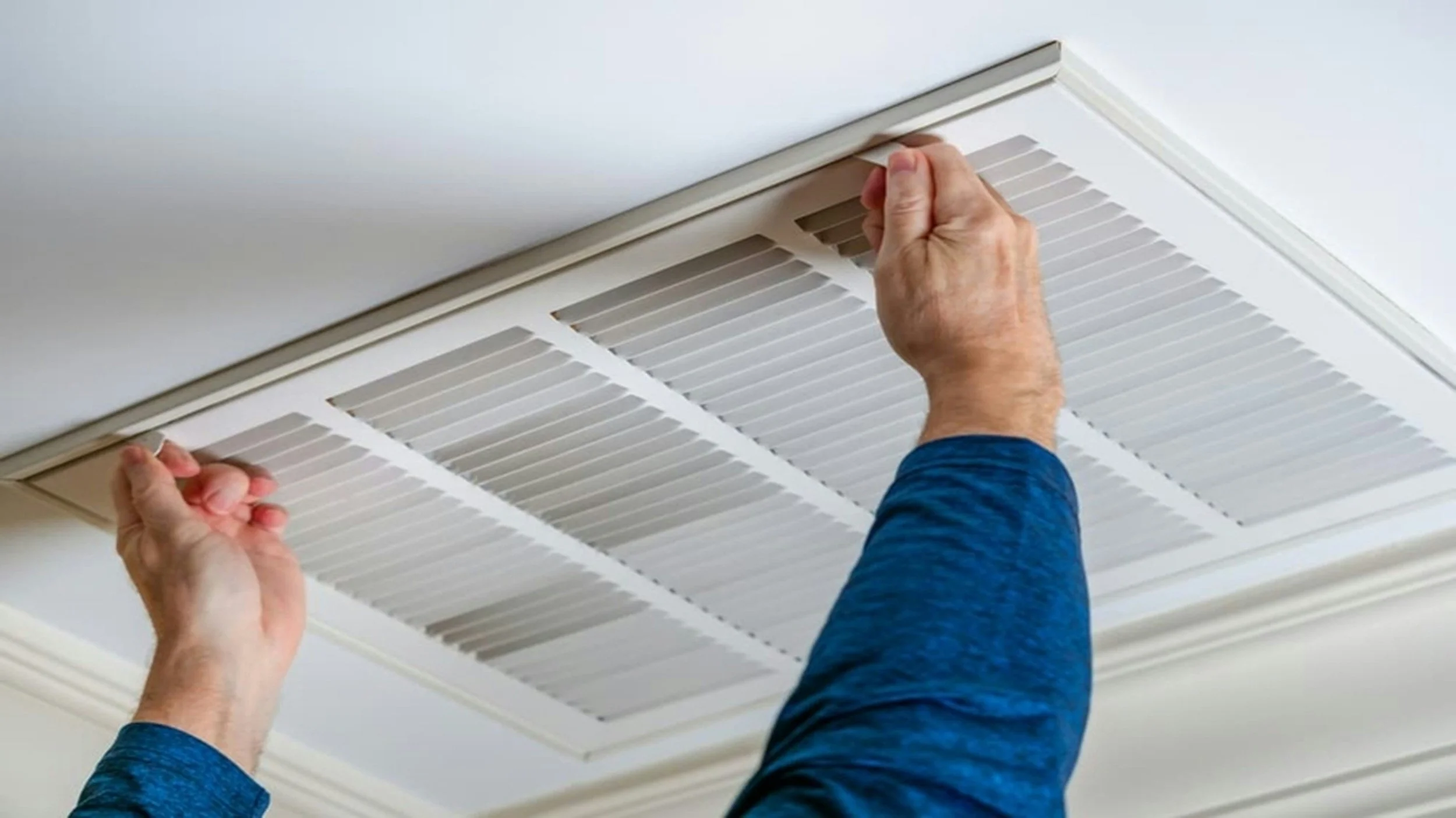
Houston's humidity isn't just uncomfortable - it's an active threat to your home's air system. The city averages relative humidity above 75% for much of the year, and that persistent moisture has a way of working itself into HVAC ductwork where conditions are dark, still, and damp enough to support mold colonies. Most homeowners aren't asking whether mold can grow in their ducts - it absolutely can, but whether what they're seeing or smelling has crossed the line into territory that requires professional remediation. Air duct mold remediation in Houston homes becomes necessary when contamination has spread beyond surface dust and is actively recirculating spores through your living spaces. That threshold matters. Not every discolored vent or musty smell demands the same response, and this article walks you through the specific signs that point to genuine contamination, the conditions that make Houston properties so susceptible, and what a legitimate remediation process actually looks like.
Signs That Point to Mold Contamination in Your Duct System
Calling in professionals starts with recognizing the difference between ordinary dust buildup and active mold growth. Air duct mold remediation Houston is needed when mold has taken hold inside the duct interior itself - not just on exterior surfaces or inside the air handler cabinet - and those cases carry specific, identifiable warning signs. The catch is that ductwork is mostly hidden from view, so what you detect is usually indirect: odors coming from the vents, unexplained allergy flare-ups, or visible growth near supply and return registers. Any one of these warrants a closer look; two or more together is a strong signal that remediation - not just cleaning - may be necessary.
Musty Odors That Follow the Air Flow
A musty or earthy smell that intensifies the moment your HVAC system kicks on is one of the most common early indicators of mold inside your ducts. It comes from microbial volatile organic compounds - gases produced by active mold colonies - and the forced-air system distributes them throughout the home. What makes this sign particularly telling is the timing. You notice it when the air handler runs, and it fades when the system is off; that pattern points directly at the duct system rather than an isolated area like a crawl space or bathroom. If the smell is confined to one zone of your home, that often narrows the contamination to a specific duct branch or the air handler serving that zone. Don't rely on air fresheners or filters to mask the problem; those products address the odor molecules but do nothing about the colony producing them. A proper inspection by a certified technician is the only way to confirm the source.
Visible Growth Around Registers and Increased Respiratory Symptoms
Dark or fuzzy growth around the edges of supply registers is a visible sign that mold has colonized the nearby ductwork. Keep in mind that the register sits at the very end of the duct run, so visible growth there often means contamination extends further back into the system than what you can see. Alongside visible growth, pay attention to how your household feels physically. Mold spores circulating through an HVAC system can aggravate asthma, trigger allergic rhinitis, cause persistent coughing, or produce eye and throat irritation in otherwise healthy people. If multiple household members experience symptoms that improve when they leave the house and return when they're home, the indoor air quality is worth investigating seriously. Children and elderly residents are generally more sensitive to airborne spores; their symptoms may appear before anyone else notices anything. And a spike in symptoms right after the HVAC system runs is the most direct correlating factor to watch for.
Why Houston Homes Face a Higher Mold Risk Inside Ductwork
Most parts of the country deal with mold seasonally. Houston's subtropical climate, though, creates year-round conditions that keep mold growth on the table every single month. Understanding why that risk exists helps you spot the specific vulnerabilities in your own system and address them before they turn into a full remediation job.
Houston's Climate and How It Affects HVAC Moisture Levels
Warm outdoor air holds more water vapor, and in Houston that air finds its way into homes constantly through doors, windows, and normal ventilation. Your air conditioning system works to pull out that humidity, but the coils and drain pans inside the air handler deal with heavy condensation every day. If the condensate drain runs slow, the drain pan overflows, or the coil is working inefficiently, moisture doesn't drain away properly - it stays in the system and migrates into the ductwork. Flex duct, which is common in Houston installations, can sag at low points over time and trap that condensation. Insulation around ducts in unconditioned attic spaces - where summer temperatures regularly exceed 130°F- can also break down and allow temperature differentials that cause sweating on duct surfaces. The EPA has documented that indoor relative humidity above 60% creates favorable conditions for mold growth; in Greater Houston, that threshold is routinely exceeded in unconditioned spaces even when the inside of the home feels comfortable.
HVAC Conditions That Turn Moisture Into a Mold Problem
Beyond climate, certain maintenance gaps accelerate the path from moisture to active mold growth. A dirty air filter left unchanged for months restricts airflow, drops the coil temperature, and raises the chance of condensation forming inside the duct system rather than just on the coil. Duct leaks create another pathway - when return ducts draw in unconditioned attic air, they pull in both heat and humidity that the system then distributes. Aging duct insulation with torn vapor barriers is a particularly widespread headache in Houston homes built before the 1990s, since those materials degrade faster in high-heat attic environments. So any duct section running through an unconditioned space without adequate insulation is a candidate for surface condensation. The combination of chronic moisture, organic debris from dust, and limited airflow inside sealed ductwork gives mold exactly what it needs to establish and spread. Addressing these mechanical root causes is just as important as removing existing contamination - remediation without fixing the underlying problem typically leads to recurrence within one to two years.
Conclusion
Air duct mold remediation is necessary in Houston homes when you have evidence of active growth inside the duct system - confirmed contamination that your HVAC is distributing through the air, not just surface discoloration near vents. Musty odors that track with system operation, visible growth at registers, and household respiratory symptoms that improve away from home are the clearest indicators. Houston's climate makes these conditions genuinely more likely than in drier parts of the country, and mechanical gaps like poor drainage, aging insulation, and duct leaks only compound that risk. The decision to remediate rather than simply clean comes down to confirming where the mold is, how far it's spread, and whether the root cause - typically excess moisture- has been identified and addressed. Honestly, skipping that last step is the most common reason mold comes back after treatment. A certified inspection gives you the clearest picture of what your specific system actually needs.
