
Are Grains Healthy? What Science Says About Modern Grains
“Most grains we consume today are far from their ancient forms and have been heavily modified. The processing and refining have stripped them of their original nutrients.”
— Dr. Joseph Mercola
I grew up a quintessential '90s kid, shaped by the Food Pyramid that put grains at the base, recommending 6-11 servings daily of bread, cereal, and pasta. In high school, I fueled up on crackers and Pop-Tarts before crew practice, and when I trained for my first marathon, nearly a pound of pasta with Gatorade became my go-to meal for long runs. Even when I moved out on my own, refined grains like bread and oatmeal were staples in my diet. But over time, I learned better. I began to question how these choices were affecting my energy, performance, and long-term health, I started to see grains in a different light—one shaped by science and a closer look at the modern food landscape.
For centuries, grains like wheat, rice, and oats sustained civilizations. But today’s grains are a far cry from their ancient ancestors. Modern refining strips away up to 70% of a grain’s nutrients and fiber, while agricultural practices like glyphosate use have skyrocketed 15-fold since the 1990s. With refined grains now making up 60% of the calories in ultra-processed foods consumed by Americans, we must ask: are grains still the healthy staples they’re made out to be, or are they fueling the chronic health issues of our time? Let’s explore their history, evolution, and impact on health to decide whether they belong on your plate.

What Eactly is a Grain?
Grains are the small, hard seeds from cereal crops in the Poaceae family, commonly known as grasses. The most widely consumed grains include wheat, rice, corn, barley, oats, and rye. Each grain kernel is composed of three main parts: the bran, the germ, and the endosperm.
The bran, or outer layer, is rich in fiber, antioxidants, and B vitamins.
The germ, the nutrient-dense core, contains healthy fats, vitamins, and minerals.
The endosperm, the largest part, is mostly starch, providing the bulk of the grain’s calories but fewer nutrients than the other parts.
Refined grains, like white flour and rice, lose the bran and germ, leaving only the starchy endosperm, which makes them less nutritious.
Grains in the Modern Diet
Though humans have consumed grains for thousands of years, they are relatively new in our evolutionary history. The agricultural revolution, which introduced grains as a staple, represents only about 5% of human existence—an adaptation period that may not be enough time for our bodies to fully adjust.
200,000 years ago: Early humans eat primarily plants, fruits, and animals.
10,000 years ago: Agriculture begins; grains like wheat and barley are cultivated.
5,000 years ago: Grains become dietary staples worldwide.
20th century: Industrial processing refines grains, reducing nutrients.
Today: Grains account for 45-50% of daily calories, mostly refined.
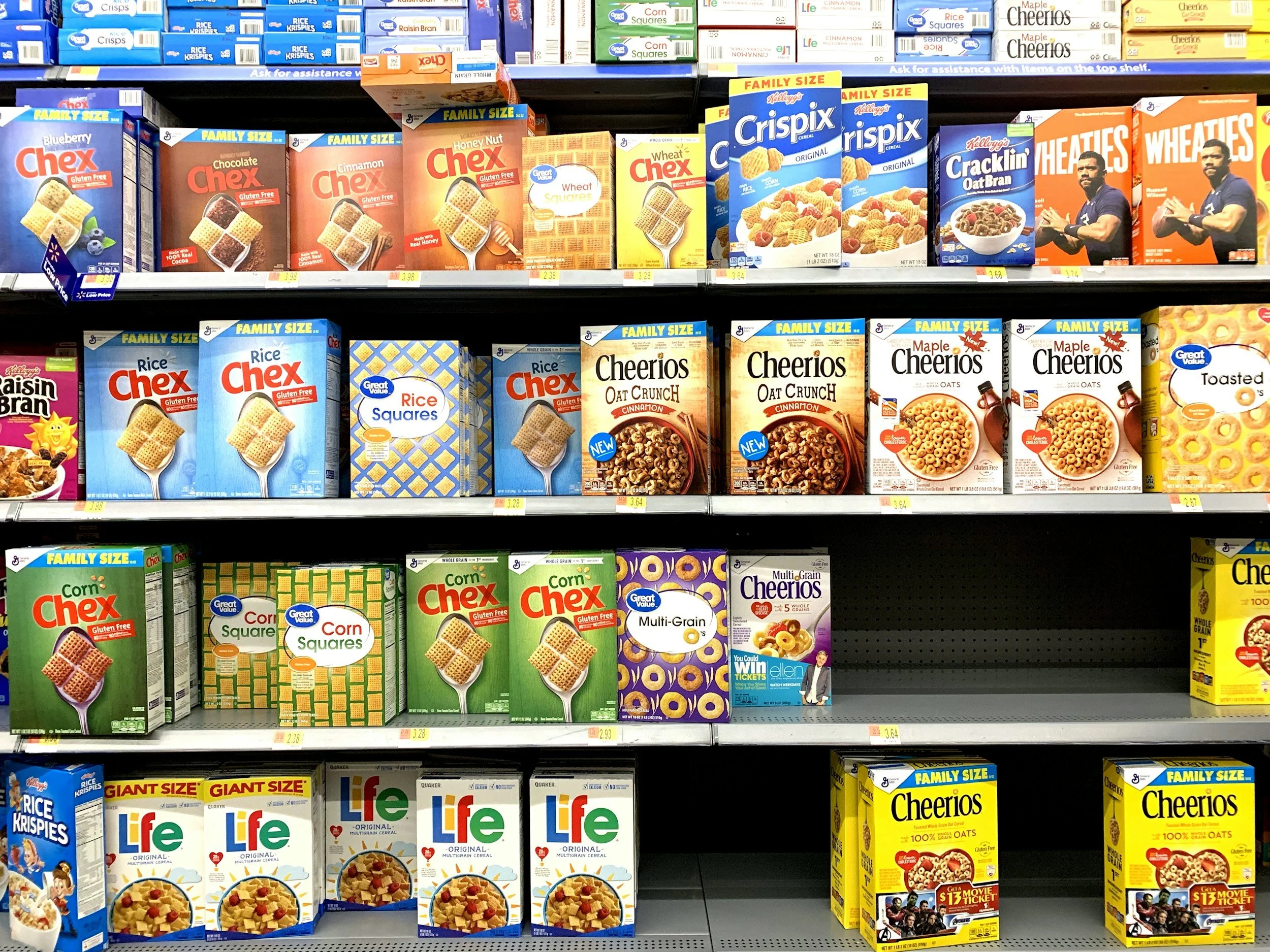
Today, grains are prevalent in countless food products, especially in processed and packaged foods. They are the main ingredients in bread, pasta, cereal, crackers, and many snack foods. Grains are also added as fillers in products like sauces, soups, and processed meats, making them a staple ingredient in the typical Western diet. With grains present in so many common foods, they now make up a significant portion of the average daily calorie intake, despite their nutrient levels being considerably lower than in whole, unprocessed foods.
The 4 Downsides of Grains
1. Industrial Processing and Nutrient Loss
Modern grain processing often strips grains of their natural nutrients to improve shelf life and texture, reducing their overall health benefits. During refining, the bran and germ are removed, leaving mainly starchy endosperm. This results in a loss of up to 70% of fiber, B vitamins, and essential minerals. Additionally, manufacturers commonly add synthetic vitamins and minerals back into refined grains, but these “fortified” grains are not as bioavailable or beneficial as the original nutrients in whole grains. According to the CDC, about 60% of Americans’ calories now come from ultra-processed foods, including refined grains.
Furthermore, to enhance flavor and texture, processed grain products often include cheap, unhealthy fats like hydrogenated seed oils, which increase the calorie content without adding nutritional value.
2. Increased Glyphosate Use
Glyphosate, the active ingredient in Roundup, has been used extensively on crops since the 1990s. According to research published in Environmental Sciences Europe, glyphosate use has increased more than 15-fold since genetically modified crops were introduced in the mid-1990s. Farmers use glyphosate not only to kill weeds but also as a desiccant to dry out crops like wheat and oats before harvest. As a result, glyphosate residues often remain on grains, making their way into foods consumed daily.
The International Agency for Research on Cancer (IARC), part of the World Health Organization, classified glyphosate as “probably carcinogenic to humans” in 2015. Meanwhile, countries like Germany and Austria have banned or restricted its use, leading to potentially lower exposure levels abroad. Companies like Bayer (which acquired Monsanto, the maker of Roundup) have paid billions in lawsuits to settle claims regarding health issues from glyphosate exposure.
3. Anti-Nutrients in Grains
Grains contain naturally occurring compounds, known as anti-nutrients, that can interfere with nutrient absorption. Key anti-nutrients in grains include:
Phytic Acid: Phytic acid, found in many grains, binds to minerals like zinc, iron, and calcium, reducing their absorption by up to 50%. This can lead to nutrient deficiencies over time, particularly for those who consume grains as a primary dietary staple.
Lectins: Found in wheat, corn, and legumes, lectins can irritate the gut lining and contribute to "leaky gut" syndrome, where toxins and undigested food particles pass into the bloodstream. Additionally, they impair nutrient absorption and alter gut bacteria.
Gluten: Gluten, a protein in wheat, rye, and barley, affects about 1% of the population with celiac disease, a severe autoimmune response, however, research suggests that up to 33% of people may experience some level of gluten intolerance, with at least 6% of the population suffering from non-celiac gluten sensitivity. Individuals with gluten sensitivity often report symptoms such as bloating, fatigue, headaches, and skin reactions. Beyond digestive symptoms, those with gluten sensitivity may be at greater risk for chronic inflammation and autoimmune diseases like type 1 diabetes, rheumatoid arthritis, and even neurological issues like migraines and mood disorders. These impacts underscore why gluten sensitivity extends beyond celiac disease, potentially affecting millions of people unaware of its broad effects.
These anti-nutrients act as natural defense mechanisms for the plant, deterring pests and protecting against environmental stressors. While traditional methods like soaking, fermenting, and sprouting grains can reduce these compounds, they’re less common today, leaving higher anti-nutrient levels in many grain-based foods.
4. Grains Are Ubiquitous and Crowd Out Healthier Foods
About 42% of our diets consists of starchy vegetables, refined grains, and added sugars. This reliance on grains often crowds out nutrient-dense foods—like vegetables, fruits, proteins, and healthy fats—that offer essential vitamins and minerals. While grains are cheap and accessible, they’re frequently used as fillers in processed foods, which can make it harder to include fiber- and antioxidant-rich options like leafy greens, nuts, and legumes, resulting in a less diverse, balanced diet.
What Grains Do to Our Bodies
Grains like wheat, rice, corn, and oats have been staples in human diets for centuries, however, modern research reveals that grains, especially in their processed forms, may have negative effects on our health. From blood sugar spikes to autoimmune reactions, here’s an overview of what grains do to our bodies and why some people choose to limit or eliminate them.
1. Blood Sugar & Insulin
Consuming grains can lead to rapid spikes in blood sugar thanks in part to their limited fiber. These grains have a high glycemic index, meaning they are quickly broken down into glucose and cause a sharp increase in blood sugar levels. A study published in Diabetes Care found that high-glycemic foods, including refined grains, were associated with a 21% higher risk of Type 2 diabetes in individuals who regularly consumed them compared to those who consumed lower-glycemic foods or even whole grains.
Frequent spikes in blood sugar lead to increased insulin production, which can result in insulin resistance over time. Insulin resistance is a condition where cells become less responsive to insulin, forcing the pancreas to produce more to maintain stable blood sugar levels. This cycle can eventually contribute to metabolic syndrome, Type 2 diabetes, and weight gain.
2. Autoimmune Reactions
Gluten, a protein present in wheat, rye, and barley, is well-known for triggering autoimmune reactions in people with celiac disease and may also affect those with gluten sensitivity. In celiac disease, gluten initiates an immune response that damages the lining of the small intestine allowing foreign molecules to penetrate the bloodstream and interact with immune cells, leading to chronic inflammation, nutrient malabsorption, and related health issues. Gluten may also contribute to autoimmune processes through "molecular mimicry," where the immune system confuses gluten proteins with similar human tissues. This can potentially lead to immune attacks on the body’s own tissues, implicated in conditions like rheumatoid arthritis and Hashimoto’s thyroiditis, thereby intensifying inflammation and worsening symptoms in those with autoimmune diseases.
Research shows that a gluten-free diet can alleviate symptoms not only in celiac disease but also in other chronic inflammatory, metabolic, and even neurodegenerative conditions.
3. Nutrient Absorption and Digestive Issues
Grains contain phytic acid, an anti-nutrient that binds to minerals such as calcium, magnesium, and zinc, inhibiting their absorption. This can lead to deficiencies, particularly in populations that rely heavily on grains as a primary food source. A study in the Journal of Food Science found that diets high in phytic acid can reduce mineral absorption by up to 50%, impacting overall nutrient intake. Additionally, the gluten and lectins found in grains can interfere with digestion, contributing to bloating, gas, and nutrient malabsorption.
4. Hormonal Imbalance and Fertility
High intake of grains, particularly refined ones, can impact hormonal health by contributing to insulin resistance, which disrupts the balance of other hormones. For example, insulin resistance is strongly associated with polycystic ovary syndrome (PCOS), a hormonal disorder that affects about 20% of women of reproductive age, has risen 65% in the last decade, and is now a leading cause of infertility as Casey Means writes in her groundbreaking book, Good Energy.
A study found that a low-GI diet improved menstrual regularity, increased ovulatory cycles, and reduced acne in overweight and obese women with PCOS, likely due to its positive effects on insulin sensitivity and hormonal balance. Lifestyle changes—like a low-glycemic, vegetable-rich diet—can improve PCOS markers in just 12 weeks, addressing root causes rather than relying solely on medication.
Men eating the Standard American Diet (SAD) is associated with lower testosterone levels, increased risk of hypogonadism, higher body fat, and reduced muscle mass in men.
Certain grains may contain a fungus called zearalenone, which mimics natural estrogens and could potentially disrupt hormonal balance; European research found it in 32% of mixed-cereal samples, and while studies in animals indicate possible effects, there’s currently no conclusive evidence of harm to human health.
5. Cognitive Health and Brain Fog
Growing evidence links dietary gluten to neurodegenerative disease in susceptible individuals, with studies showing that gluten-induced inflammation and increased intestinal permeability may affect brain health. Gluten has been associated with neuropsychiatric and neurodegenerative disorders like schizophrenia, ASD, and bipolar disorder, and gluten-free diets have shown benefits in reducing both gastrointestinal and neurological symptoms in such patients. Mechanisms include gluten-triggered inflammation, immune responses, and disruptions in the gut-brain axis.
6. Skin Health and Acne
Grains, particularly high-glycemic grains like white bread, pasta, and rice, can also impact skin health. High-glycemic foods can spike blood sugar and insulin levels, which are linked to increased sebum production and androgen hormones, both of which contribute to acne. A study published in the Journal of the American Academy of Dermatology found that individuals consuming high-glycemic diets were 77% more likely to experience increased acne severity compared to those on low-glycemic diets, though the effect isn’t limited to grains alone.
Furthermore, a systematic review found that non-celiac gluten sensitivity can affect the skin and hair, with some dermatologic conditions, such as psoriasis, atopic dermatitis, vitiligo, and palmoplantar pustulosis, improving on a gluten-free diet. Unlike celiac disease, the impact of gluten on skin and hair in non-celiac gluten sensitivity is less understood. Some patients with NCGS-related skin issues may benefit from trying a gluten-free diet, though conditions like linear IgA disease may not respond to it.
7. Liver Health and Fatty Liver Disease
Over the past 30 years, non-alcoholic fatty liver disease (NAFLD) has become the most common chronic liver disease globally, increasing from 25% in 1990 to nearly 40% by 2019, with rates among Hispanic men reaching as high as 42%, according to Good Energy. Historically, fatty liver disease was mainly due to alcohol use, but today's epidemic stems from diets loaded with processed foods, refined sugars, high-fructose corn syrup, and refined grains, combined with sedentary lifestyles and oxidative stress.
Refined grains are stripped of fiber, leading to rapid blood sugar spikes and insulin surges, which promote fat storage in the liver. This shift has led to a 50% rise in liver transplants in just 15 years, signaling a major public health crisis, especially for children.
8. Dental Health and Tooth Decay
Refined grains, high in simple carbohydrates, significantly contribute to tooth decay by feeding harmful bacteria in the mouth. When refined grains break down into sugars, they create an acidic environment that leads to enamel erosion and an increased risk of cavities. According to the American Dental Association (ADA), fermentable carbohydrates, such as those found in refined grains, play a primary role in creating acids that erode tooth enamel.
A study published in Caries Research found that those with diets high in refined carbohydrates had a 33% higher rate of cavities compared to those who consumed fewer refined carbs and more whole foods. Refined grains also lack essential nutrients like calcium, magnesium, and phosphorus, which are necessary for strong, healthy teeth.
9. Heart Disease
A large cohort study across 21 countries published in The BMJ found that individuals consuming 350g or more of refined grains per day had a 27% increased risk of mortality and a 33% higher likelihood of major cardiovascular events, such as heart attacks and strokes, compared to those consuming less than 50g. The study, involving over 137,000 participants and nearly 10 years of follow-up, revealed no significant associations between whole grain or white rice intake and negative health outcomes. Countries with high intakes of refined grains, particularly in Asia, showed the most pronounced health risks, linking refined grains to increased blood pressure as well.
But, Why Do Some Studies Say That All Grains Are Good?
Some studies highlight the benefits of grains, but their findings can be misleading due to study design, funding sources, and a focus on whole grains rather than refined grains.
Study Design: Many studies linking grains to health benefits are observational, meaning they look at health outcomes in people who eat grains without isolating grains as the cause. Often, people who eat more whole grains also lead healthier lifestyles—they exercise more, eat more vegetables, and avoid smoking, all of which benefit health. This makes it challenging to distinguish the actual effects of grains from other healthy habits.
Industry Funding: Many studies promoting grains are funded by food industry groups, which have a vested interest in portraying grains positively. For example, the Grain Foods Foundation has funded studies that claim grain consumption improves diet quality, even though refined grains primarily contribute empty calories. This bias can lead to selective reporting that exaggerates benefits while minimizing downsides.
Whole vs. Refined Grains: Most studies focus on whole grains, which have fiber and nutrients, rather than refined grains, which make up the bulk of grain intake in the average diet. Refined grains lack fiber, B vitamins, and minerals and are linked to higher risks of diabetes, obesity, and heart disease. This disconnect can paint an overly positive picture of grains and may encourage grain consumption in forms that offer few health benefits.
But Are There Benefits to Grains?
While there is a lot of evidence against grains, that is not to say you need to avoid them entirely. In fact, eliminating too many natural foods from your diet can lead to a lack of diversity, which is important for optimal health. Even moderate consumption of grains can have benefits, particularly when it comes to microbiome diversity.
Whole grains, especially ancient varieties like quinoa, farro, and oats, are rich in fiber, vitamins, and minerals that support digestion and overall wellness. These grains provide valuable nutrients like B vitamins, magnesium, and iron, which help support energy levels and brain function. Plus, the fiber in grains acts as food for beneficial gut bacteria, promoting a balanced microbiome, which is crucial for immune health and nutrient absorption.
So while it's important to be mindful of the type and amount of grains you consume, incorporating small amounts of non-refined, soaked, or sprouted ancient grains can help maintain a balanced and diverse diet. These grains are easier to digest, retain more nutrients, and can contribute to a healthier gut and overall well-being when included in moderation.
Takeaway
While grains have historically served as a dietary foundation, their modern, refined forms come with significant downsides. Industrial processing strips grains of vital nutrients, reducing their fiber, vitamins, and minerals by up to 70%. Refined grains are often accompanied by glyphosate residues, anti-nutrients like phytic acid and lectins, and gluten—all of which can contribute to nutrient deficiencies, gut irritation, and autoimmune reactions. Moreover, grains dominate our diets, crowding out healthier, nutrient-dense foods like vegetables and proteins.
The health risks associated with modern grain consumption are extensive, ranging from blood sugar spikes and insulin resistance to hormonal imbalances, cognitive decline, and even fatty liver disease. Studies link refined grains to increased risks of Type 2 diabetes, cardiovascular issues, and tooth decay. That being said, incorporating some non-refined, ancient grains into your diet can still offer benefits, such as providing important vitamins and minerals, supporting gut health through fiber, and boosting microbiome diversity.
By reducing reliance on grains, particularly processed varieties, and focusing on alternatives like sprouted grains, soaked or sprouted ancient grains, almond flour, or vegetable-based substitutes, you can lower these risks, stabilize your health, and improve your overall well-being. These non-refined grains are easier to digest, retain more nutrients, and contribute to a healthier gut, making them a better option for a balanced and diverse diet.
What I Do
Over the years, I’ve realized that grains—especially refined grains and gluten—don’t sit well with me. They bring on brain fog, acne, higher blood sugar, and a general sense of fatigue that’s hard to shake. If that happens in the short term, I don’t want to know what happens in the long term. As a result, here is the approach I take with grains:
I focus on limiting gluten and grains, particularly refined ones, using an 80/20 rule (sometimes stricter, like 95/5) to allow some flexibility without sacrificing my overall health. If I know I’ll be having a grain-heavy meal—like my family’s weekly pizza night—I plan ahead by eating cleaner in the days before and after.
To minimize the impact on blood sugar, I always eat protein before starches, stay active after meals (a quick walk or some light movement goes a long way), and lean toward a lower-carb diet overall. These small habits make a noticeable difference.
If and when I eat grains, I choose whole-grain forms that are organic and ancient, when possible.
I also have some go-to swaps that keep grains off my plate without sacrificing taste or convenience:
I use almond flour or coconut flour in place of white flour for baking and cooking.
Tacos become taco salads—no shells or tortillas required, or the occasional grain-free shells.
Regular pasta gets replaced with chickpea, lentil, or even spiralized veggie options.
For pizza nights at home, cauliflower crust is a game changer.
Related:
