
Returning to Work After a Life-Changing Injury: A Rehab Perspective
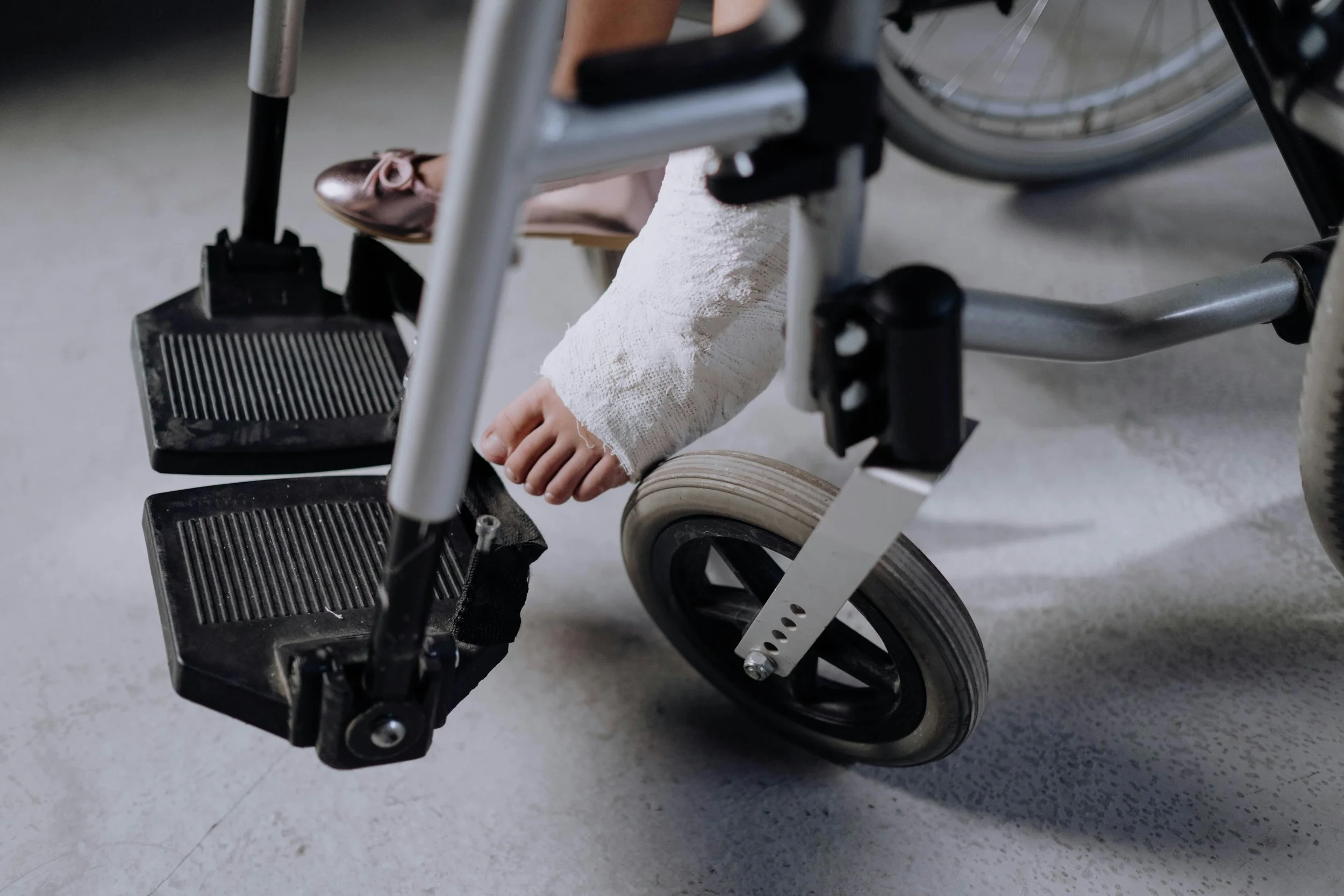
A serious injury changes everything.
One day you're driving to work. The next you're in a hospital bed wondering who's gonna pay next month's rent.
Life-changing injuries don't just change your body, they impact all aspects of your day-to-day life including:
- Income and career
- Mental health
- Family relationships
- Financial stability
The good news? With the right rehab program, returning to work is possible. Thousands of injured workers do it every year.
Here's how to make it happen...
In This Guide:
Why Returning to Work Matters So Much
The Real Numbers Behind Injury Recovery
How Rehab Sets You Up For A Strong Comeback
The Role Of Legal Support After A Serious Injury
Practical Steps To Ease Back Into Work
Why Returning To Work Matters So Much
Work isn't just a paycheck.
Routine. Purpose. Identity. For many, a career is a major part of who they are.
Life-altering injuries leading to time off work can unravel fast. Bills stack up. Confidence sinks. And the longer a person is out of the workforce, the more difficult it is to return.
It's one of the reasons returning to work is one of the most critical recovery objectives for injury survivors. However, it's not always easy.
Here's why...
Serious injuries often bring:
- Chronic pain
- Reduced mobility
- Cognitive changes (especially with head trauma)
- Anxiety, depression, and PTSD
Each of these can make returning to work a lot more difficult than it may seem from the outside. That's where a comprehensive rehab program, an understanding employer, and experienced legal counsel can make all the difference. Partnering with an injury attorney in Minneapolis can help take the financial burden off someone's plate so they can focus on the recovery. A qualified accident settlement attorney can advocate for maximum compensation so that injured workers are not left to choose between an early return to work and their family's next meal.
Now onto what the data actually says...
The Real Numbers Behind Injury Recovery
The statistics paint a pretty clear picture.
Based on data from the National Safety Council, the total costs of work injuries in 2024 reached $181.4 billion across the United States alone. The estimate factors in wage losses, medical expenses, and lost productivity.
But it gets more personal...
One large trauma study showed that 72% of injured workers returned to work within 12 months of their injury. That's good news. But it also means about 1 in 4 never made it back within that first year.
Why the gap? A few big factors:
- Injury severity
- Type of work (desk jobs vs. physical labour)
- Mental health after the injury
- Access to proper rehab
Traumatic brain injury and spinal cord injury survivors fare even worse. One year after the injury, only 54% had returned to work. It's a grim statistic for many families.
But there is a silver lining:
Early, structured rehab
A supportive workplace
Financial backing while healing
Time to dig into that first one...
How Rehab Sets You Up For A Strong Comeback
Rehab is the bridge between a hospital bed and the workplace.
A well-designed rehabilitation program should consist of far more than physical therapy alone.
A strong rehab plan should include:
- Physical therapy – to restore movement and strength
- Occupational therapy – to relearn work-specific tasks
- Mental health counselling – to process trauma and manage anxiety
- Vocational rehab – to retrain or reassign work duties
Neglecting any of these factors is a vulnerability that can compromise recovery. The one most people forget is mental health. Depression and anxiety are normal after an accident, and they greatly inhibit work re-entry.
The most effective rehab programs also bring employers into the discussion early on. This is a biggie. Employers who maintain contact with their injured employee have significantly better return-to-work results than employers who cut off all contact.
The Role Of Legal Support After A Serious Injury
Here's something a lot of people don't think about...
Rehab is expensive. Very expensive. And when you can't work, the costs continue to pile up. This is where legal assistance comes in.
An experienced accident settlement attorney steps in to handle:
- Insurance claims and paperwork
- Negotiations with at-fault parties
- Medical bill disputes
- Lost wage calculations
- Future care cost estimates
Injured workers without legal counsel routinely accept far less than they are entitled to. Insurance companies understand and rely on this.
The right accident settlement attorney does three things really well:
Calculates the full cost of the injury (including future needs)
Protects the injured party from lowball insurance offers
Buys time and space to focus on recovery
The last one is more important than most people realise. Recovery requires mental bandwidth. If someone is stressed about money, fighting insurance adjusters, rehab can't get the focus it needs.
Practical Steps To Ease Back Into Work
Returning to work after a serious injury is not an "on/off" switch. It's a process.
Here are the steps that make the biggest difference:
1. Start with a conversation
Communicate with your doctor, rehab staff, and your employer. Ensure all parties have a clear picture of the recovery process.
2. Consider a phased return
Jumping directly into a 40-hour week is often an error. Part-time or modified duties allow the body (and mind) to transition.
3. Identify accommodations
Maybe you need another chair. Maybe more breaks. Maybe your old job is no longer feasible, and a new one is more practical. None of this is a failure. It's smart adaptation.
4. Keep up the rehab
Even after returning to work, regular physio and mental health check-ins prevent setbacks.
5. Know your rights
The Americans with Disabilities Act protects workers with long-term injuries. Use those protections.
Pulling It All Together
Life after a serious injury is tough. There's no sugar-coating that.
But with an appropriate rehab team, realistic expectations, and solid legal advocacy behind you, yes, it's entirely possible to return to work. To summarize again in a nutshell:
- Most injured workers do return to work within a year
- Rehab is about much more than just physical therapy
- Mental health support makes a massive difference
- Legal help removes the financial pressure
- A phased return beats a rushed one every time
The road home is not linear. There will be detours and days where it seems impossible. That's ok.
It's all about who's in your corner - medically, legally and personally. If you have the right people in your corner, an injury doesn't have to end your career. In fact, it may open up a new chapter.
Related:
