
Why Healthy Food Can Work at Any Large Event
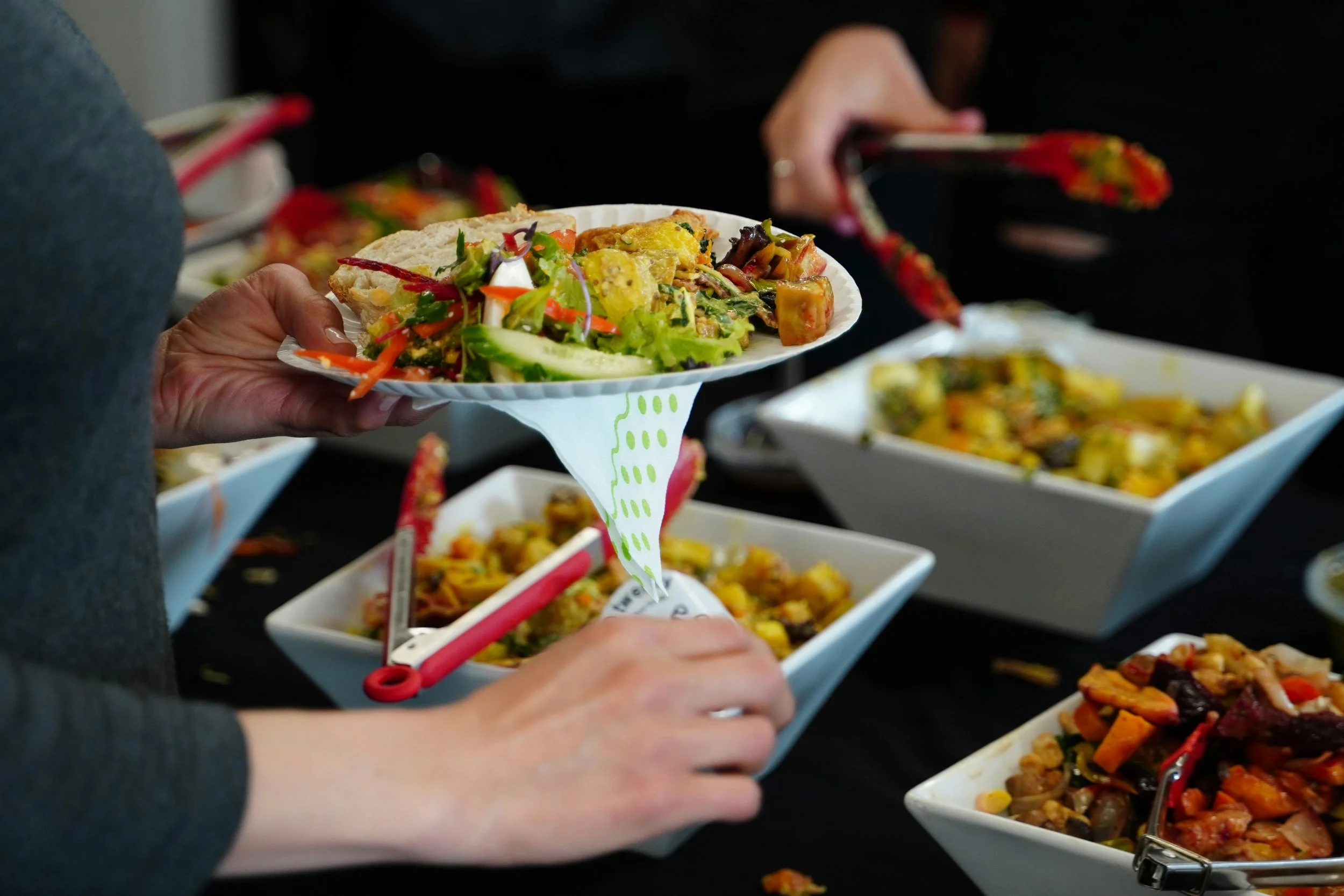
Feeding hundreds of guests at a large gathering used to mean greasy platters and sugary desserts. Planners understand that fresh, nutritious food keeps attendees energized throughout long days. Dads and health-conscious professionals expect quality nourishment no matter where an event takes place. Servicing large crowds with wholesome food is completely achievable with modern preparation techniques.
The Shift Toward Healthier Group Dining
Organizers are moving away from traditional heavy buffets to keep energy levels high throughout full-day schedules. Heavy carbohydrates lead to afternoon fatigue, which reduces engagement during corporate sessions or active retreats. Industry research projects the corporate events catering market will grow from $108.5 billion in 2024 to $183.7 billion by 2033. This growth shows a clear demand for better dining experiences across all industries.
Event coordinators now treat meal planning as an opportunity to boost guest productivity rather than filling time slots. Balanced menus keep blood sugar stable and help participants stay attentive during long presentations. A separate market report notes the global catering market hit $154.71 billion in 2024 and should top $229.92 billion by 2033. Event hosts realize that well-fed guests stay focused and engaged far longer.
Feeding Large Teams in Challenging Remote Locations
Feeding workers or attendees at off-grid sites creates real logistical challenges for organizers. Companies operating remote wellsite meal services handle these tough environments by setting up mobile kitchen units. These specialized crews deliver fresh, balanced meals that support daily stamina on demanding physical jobsites. Dependable logistics help teams receive hot, wholesome food regardless of location.
Maintaining nutritional quality away from venue facilities requires precise temperature control and skilled kitchen staff. Off-site operations maintain strict safety standards when serving large volumes of food quickly. Fresh nutrition fuels peak physical performance, whether people gather in a ballroom or at a distant project site. Modern operators prepare high-protein meals anywhere basic power and clean water can be supplied.
Elevating Well-Being with Nutrient-Dense Options
Heavy, processed lunches trigger mid-afternoon energy crashes that derail afternoon seminars. Australian event insights show corporate menus are shifting toward balanced plates to support employee health. Fresh greens, lean proteins, and complex carbohydrates keep attendees alert through long sessions. Providing clean options encourages healthier daily habits for busy attendees.
Planners who prioritize nutritional density help guests stay refreshed without relying on extra caffeine refills. Nutrient-rich foods support physical vitality and mental clarity throughout demanding schedules. Catering industry predictions highlight wellness-focused food as a dominant trend for 2026. Offering clean fuel keeps attendees satisfied and supports their personal health goals.
Making Plant-Based Dishes Exciting and Filling
Vegetarian choices are no longer plain side items served on a tray. Industry updates highlight plant-forward options designed as complete, flavor-packed main courses. Creative chefs build menus around whole grains, roasted vegetables, and hearty legumes that appeal to all attendees. These thoughtful dishes help every guest leave the dining hall satisfied.
Providing varied dietary options makes every guest feel included without complicating service delivery. Modern kitchen teams craft plant-based meals that deliver plenty of protein and rich flavor combinations. Texas event caterers point out that healthy catering has moved far beyond a single plain salad in the corner. Guests enjoy diverse flavor profiles that rival standard steak and chicken offerings.
Sourcing Fresh and Sustainable Ingredients
Working with regional farms produces better taste and supports environmental goals. Catering studies reveal that sourcing local organic produce yields fresher flavors and lowers carbon footprints. Seasonal sourcing allows ingredients to arrive at peak flavor and maximum nutritional value. Choosing farm-fresh ingredients supports local agricultural communities and smaller growers.
Guests appreciate knowing their meals come from responsible growers who value soil health and sustainability. Eco-conscious catering reduces total waste and delivers superior taste to large crowds. Analysis indicates the sustainable catering market is expanding at a compound annual growth rate of 5.3%. Event hosts win when sustainability matches guest health priorities.
Higher energy levels across all-day corporate or athletic gatherings
Reduced food waste through precise portioning of fresh ingredients
Seamless inclusion of diverse dietary preferences, such as gluten-free or dairy-free
Direct financial support for regional agricultural suppliers and farms
Smart Prep Methods for Large Crowds
Preparing healthy food at scale requires smart batch cooking and sharp kitchen timing. Chefs slice fresh vegetables right before service to retain crisp texture and key nutrients. Careful meal timing keeps hot proteins juicy without relying on thick, heavy gravies. Staggered cooking schedules prevent food from sitting under heat lamps for extended periods.
Interactive dining stations give guests control over their meal compositions and portion sizes. Serving options like customizable build-your-own bowls let guests choose portion sizes and preferred ingredients. Guests leave full, energized, and ready for whatever the schedule holds.
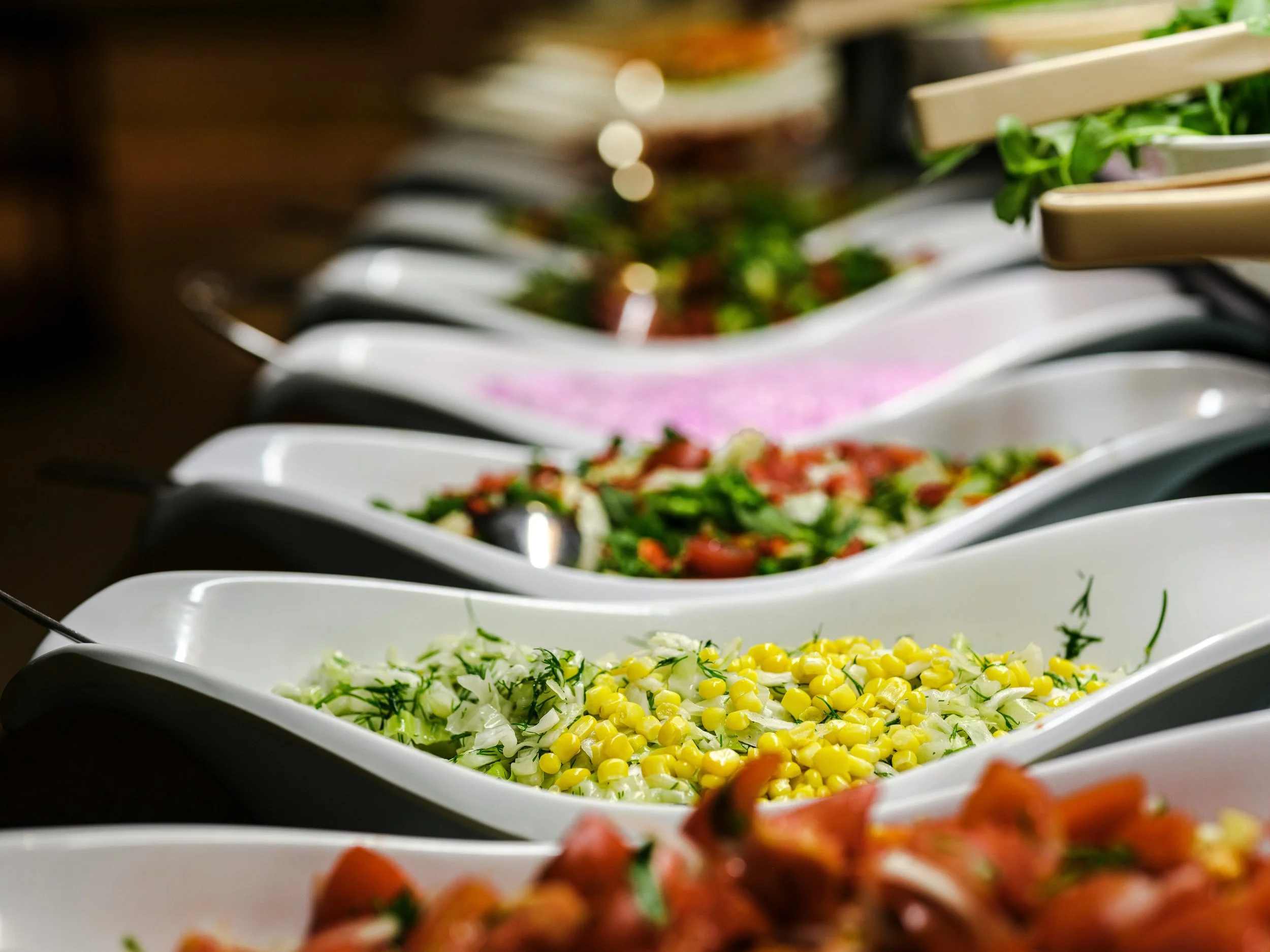
Large events no longer require choosing between convenience and healthy nutrition. Smart planning, quality ingredients, and expert preparation make wholesome food realistic for any crowd size. Giving guests nutrient-dense meals improves focus, satisfaction, and long-term well-being. Prioritizing health on the menu creates a memorable experience that everyone appreciates.
