What Happens in Brain Injury Rehabilitation — and Why It Matters for Long-Term Wellness
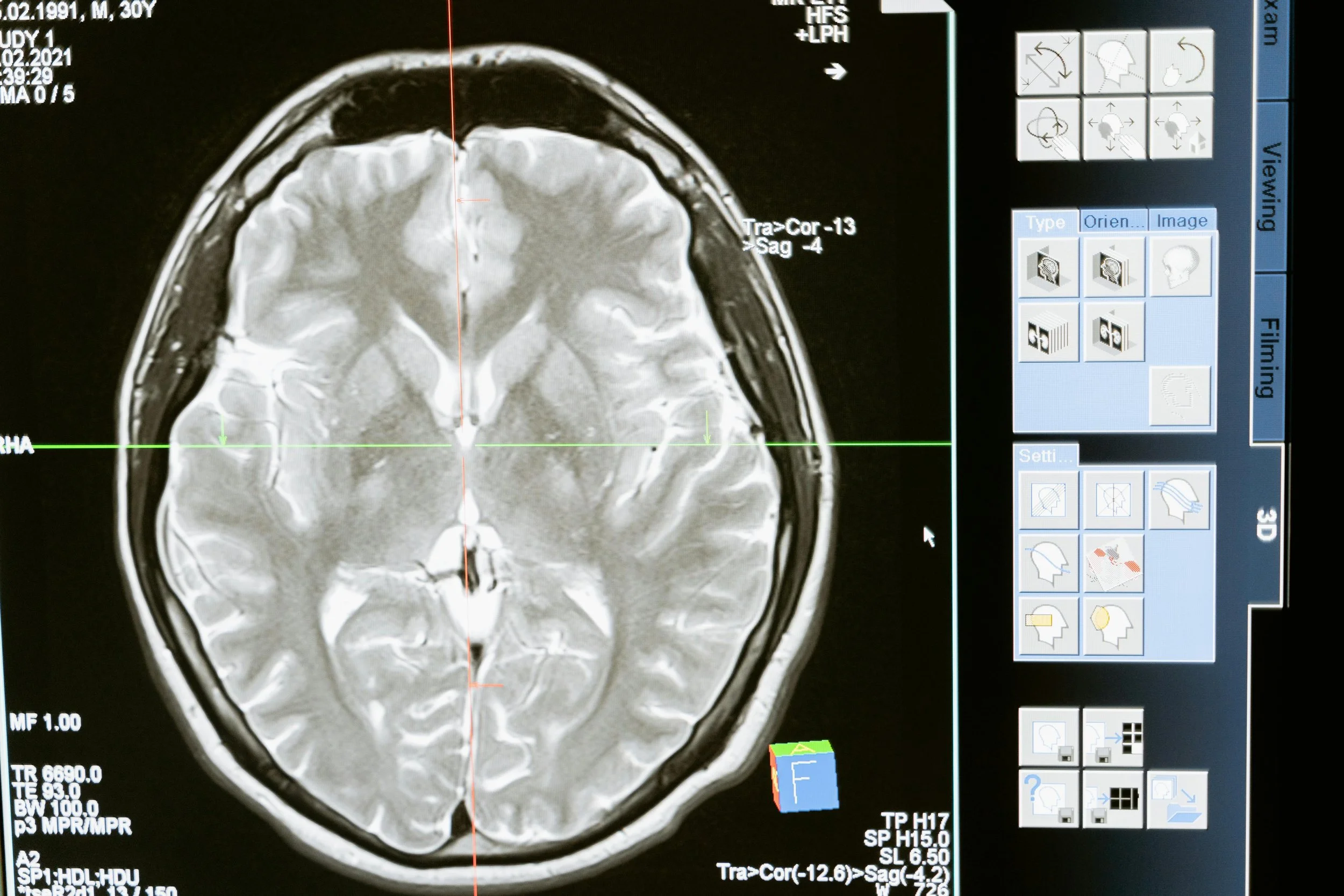
Brain injuries change lives.
Whether you or your loved one has suffered a traumatic brain injury (TBI), concussion, or acquired brain injury — recovery can take you down some unexpected paths. The reality is that...
There's a big difference between a recovery that restores your life — and one that leaves you struggling with long term effects.
…and the determining factor? Personalized brain injury care.
Qualified care. Real, individualized treatment. Not computer-generated programs. Not rehab routines pulled from an article online. One-on-one care that actually focuses on your specific deficits and life goals.
It's why brain injury recovery in Ashville, NC started becoming such a big topic of discussion locally. Personalized brain injury treatment provided by experts means recovery gets designed around the individual, and only them.
That's the kind of life-changing impact this care delivers. So if you're wondering what happens in brain injury rehabilitation — here's what you NEED to know:
WHAT YOU'LL DISCOVER
What Brain Injury Rehabilitation Actually Is
The Key Stages of Brain Injury Recovery
What Personalized Brain Injury Care Looks Like
The Therapies Used in Rehab
Why Your Long-Term Wellness Depends on It
What Brain Injury Rehabilitation Actually Is
At the highest level, brain injury rehabilitation is a carefully guided recovery process. Designed to help brain injury patients recover function they've lost — and adjust to any lasting effects of their injury.
Here's the thing though…
Brain injury recovery isn't just about physical symptoms. Brain injuries can present challenges to a wide variety of normal functioning:
Cognitive abilities (things like memory and focus)
Physical skills (balance, coordination, fine motor control)
Communication (speech, reading, writing)
Emotional regulation (mood swings, anxiety, depression)
If the brain is struggling to send the right signals to the body — multiple areas of life can be impacted. That also makes brain injury recovery highly PERSONALIZED. Two patients can present with very similar injuries — but need completely different kinds of support to recover.
According to published data, 1.7 million brain injuries occur annually in just the United States — making it more important than ever that patients know exactly what they're getting into.
The Key Stages of Brain Injury Recovery
Brain injury recovery takes time. Don't rush it. Accept the stages of recovery and know that progress will come.
STAGE 1: Acute Care Right after the injury occurs, a team of specialists works to get the patient medically stable — and start uncovering the extent of the injury.
STAGE 2: Inpatient Rehabilitation Once medically cleared, recovery begins in earnest. Daily therapy (typically involving several disciplines) begins during this stage.
STAGE 3: Outpatient Rehabilitation Great progress has been made. Now it's time to transition out of inpatient care and apply what's been learned on a larger scale. This stage of recovery can last MONTHS or YEARS depending on the severity of the injury. But this is where personalized brain injury care can REALLY make a difference.
STAGE 4: Community Reintegration Therapy is finished. It's time to go home.
Not so fast.
The true objective of brain injury recovery is having patients reintegrate into their normal life. Work. Family time. Social outings. That's the goal of long-term recovery.
What Personalized Brain Injury Care Looks Like
This is the fun part…
Personalized brain injury care comes down to a single ideology: every brain injury patient is unique. Two individuals could present with identical diagnoses on paper and need completely different forms of treatment. Which is why cookie-cutter plans simply won't work.
Successful personalized brain injury care usually includes:
Comprehensive Neuropsychological and Functional evaluations
Patient and family meetings to help set recovery goals
Personalized blend of therapy targeted at each specific deficit
Reassessment and tweaking of care plan as progress is made
Incredibly specific. And the results prove it works. Research confirms that after suffering a mild traumatic brain injury, 98% of patients go on to reach functional independence within ONE YEAR. That's the power of consistent, quality personalized brain injury care.
The Therapies Used in Rehab
Now for what you've been WAITING for…
What ACTUAL therapies are used during brain injury recovery? Good question. Since every brain injury patient is unique — the exact blend of therapies will be personalized. But here are the most common:
COGNITIVE REHABILITATION THERAPY (CRT) A therapy that helps restore memory, attention, and problem-solving deficits. Patients engage in structured exercises that rebuild interrupted cognitive functioning.
PHYSICAL THERAPY Helps patients relearn motor function, balance, coordination, and more. If there's a struggle to move or control muscles like before — physical therapy will be part of the rehab plan.
OCCUPATIONAL THERAPY Want to know how to apply recovery to real-life tasks? Occupational therapy can help relearn everyday things like cooking, personal care, taking medication, or even returning to work.
SPEECH LANGUAGE THERAPY Affected ability to speak, listen, read or write? Speech language pathology is a HUGE part of brain injury recovery for a lot of patients.
VESTIBULAR REHABILITATION Dizziness, balance issues, or vision problems after injury? Vestibular therapy is easily one of the most underrated therapies used at rehab facilities.
NEUROFEEDBACK AND NEUROMODULATION Cutting edge technology that allows patients to train their own brain functioning with real-time EEG monitoring. Brain injury rehab programs are starting to USE IT MORE and MORE.
Does that therapy cabinet look good yet?
Why Your Long-Term Wellness Depends on Quality Rehab
Here's the deal…
Suffering a brain injury is a life-long battle. Yes, recovery happens. But making sure patients are put on the right path to LONG TERM wellness starts with quality brain injury recovery.
Studies indicate that about 22% of concussion sufferers deal with prolonged symptoms…. 1 YEAR after their initial injury. BUT when those patients received early personalized brain injury care — that number was much lower.
Neglecting proper care after a brain injury doesn't just waste time, it wastes the brain's SHORTEST recovery window. Getting the right help, at the right time, matters.
Closing Thoughts
Interested in learning more about what happens in brain injury rehabilitation?
Visit Apex Brain Centers to speak with a specialist today and start the brain injury recovery journey.
The good news is brain injury recovery doesn't have to be arbitrary. When medical expertise is combined with results-driven therapy and a personalized approach to treatment — recovery can be consistent, measured, and done on individual terms.
Because at the end of the day, brain injury recovery shouldn't be one-size-fits-all…
…it should be PERSONALIZED.
Related: