
What's Wrong With Most Best Water Bottle Lists & What Athletes Buy
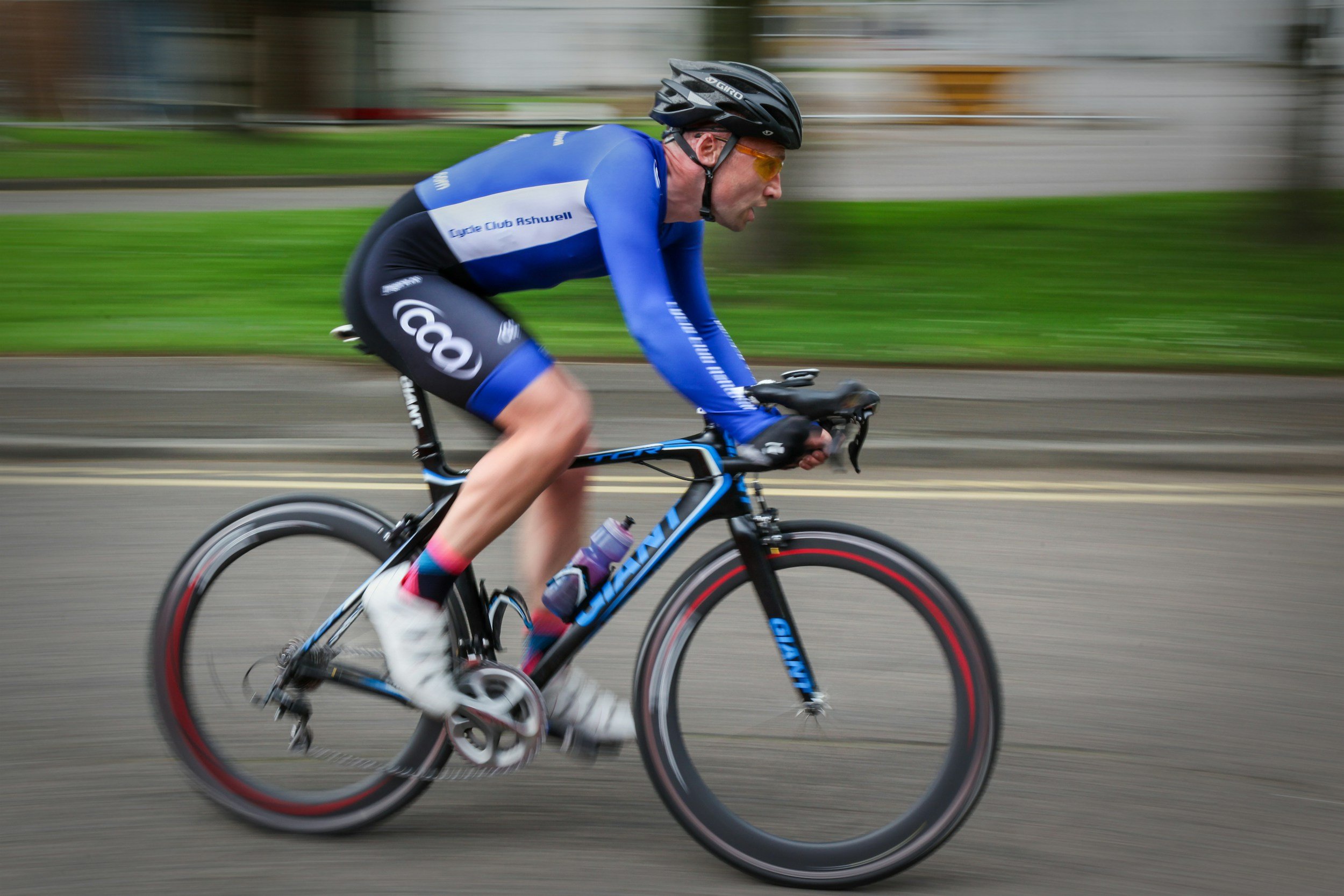
Most general-audience “best water bottle” lists rank Hydro Flask, Owala, and Takeya at the top, then fold in a CamelBak Podium for the cycling slot and call the work done. The problem is that those rankings answer a different question than the one endurance athletes ask. Marathoners, triathletes, ultrarunners, and serious cyclists are looking for tools that survive race-day conditions. They want soft flasks that fit a vest pocket without sloshing, bidons that hold a mixed carbohydrate solution without staining, and replacement bite valves they can buy a year later. The bottles that win those criteria are made by Hydrapak, Salomon, Specialized, BiVo, Polar, Nathan, and a handful of smaller brands. Few of them appear in the mainstream listicles, and the ones that do tend to be ranked for general use rather than for racing. This article walks through what the standard roundups miss, which bottles real endurance athletes carry, and why the gap between those lists and the actual race-kit closet has been so persistent.
The Gap Between Listicles and Race-Day Gear
Mainstream water bottle roundups are built for a wide audience. They test bottles against criteria that matter to a desk-bound office worker or a casual hiker, things like ice retention over 24 hours, dishwasher safety, lid leak tests on a tilted countertop, and how easy the lid is to open with one hand. Wirecutter has tested more than 100 bottles since 2014 and lists Hydro Flask as the pick for most needs. CNN Underscored describes its testing as “dozens of hours over more than 4 years.” Yahoo’s roundup claims more than 100 bottles tested. Those are real testing programs, and the resulting lists are reasonable for the audience they serve.
The criteria do not transfer. An athlete running a 50-kilometer trail race does not need a bottle that survives 24 hours of ice retention. They need a flask that collapses as it empties so the remaining water does not slosh on long descents, a bite valve that opens without unscrewing a cap, and a body shape that fits the front pocket of a Salomon Adv Skin or an UltrAspire vest. A cyclist on a 100-mile ride wants a bidon that releases water at a high flow rate so a single squeeze refills the mouth quickly, plus an interior coating that does not retain the taste of yesterday’s electrolyte mix. None of those criteria sit at the center of mainstream tests.
The Affiliate Funnel Behind Most Roundups
The economics of the format also matter. Most “best water bottle” lists carry Amazon affiliate links, and the major outlets disclose this openly. GearJunkie notes its articles “may earn a small commission from affiliate links.” Consumer Reports states that fees from retailer links go to support its nonprofit mission. Sporked, Your Best Digs, StudyFinds, and most other roundups carry similar disclosures. The disclosure is honest. The structural effect is that bottles are easier to write about when they are easy to buy on Amazon, and bottles that ship through specialty channels show up less often.
That filter quietly shapes the recommendations. Hydro Flask, Owala, Takeya, and Stanley have huge Amazon presences and standardized lid systems. Hydrapak sells some SKUs on Amazon, but its 500ml SoftFlask, the UltraFlask Speed, and the Stash collapsible bottle are stocked more reliably through specialty retailers. BiVo’s stainless steel insulated bottles are not Amazon staples. Specialized Purist bidons are sold through bike shops and a few online specialty stores. The result is a recommendation set that lines up with the Amazon catalog rather than the gear closets of finishers at UTMB, Kona, or Boston.
Bottle Categories in the Endurance Market
The endurance market splits into a few distinct bottle categories, each with its own physics and trade-offs. A runner training for a marathon is not solving the same problem as a road cyclist on a 4-hour ride. Treating them as one category is part of why mainstream lists get the recommendation wrong.
Soft flasks are the dominant format for trail running, ultramarathons, and any context where the bottle rides in a vest pocket or handheld pouch. They are made from thermoplastic polyurethane, weigh under 50 grams empty, and collapse as the athlete drinks, which removes the sloshing weight that throws off rhythm at mile 18 of a marathon. A standard 500ml soft flask weighs about 39 grams. A pair of them in a vest holds 1 liter without adding meaningful pack weight.
Cycling bidons are a different shape entirely. They are sized for water bottle cages, generally between 600ml and 770ml, and they are squeezed rather than tipped, so the mouthpiece flow rate matters as much as the capacity. Insulated cycling bottles trade volume for a double-wall structure that keeps a drink cool through a hot ride. Non-insulated bidons hold more fluid for the same external footprint and weigh less, which matters for racing.
A third category, collapsible reservoirs and packable bottles, serves ultrarunners and bikepackers who need extra capacity for long unsupported sections. The Hydrapak Stash 1L is the reference point. It expands to a full liter, weighs 3.3 ounces, and folds down to roughly the size of a hockey puck when empty.
Soft Flasks for Running Vests
The soft flask category is dominated by Hydrapak. The 500ml SoftFlask is the standard reference, with a TPU body that compresses as it empties and a bite valve that releases water on a slight squeeze. The Speed Flask 500 is a taller, narrower version that fits the front pockets of Salomon Adv Skin vests without sliding down. Salomon’s own branded soft flasks are made by Hydrapak under contract, with a slightly different shape tuned to Salomon’s vest pockets. Athletes who already own the Salomon vest tend to replace their flasks with the Salomon-branded version, because the dimensions match the pocket geometry. Those versions can be harder to find in general retail and are commonly sourced through The Feed and other specialty endurance outlets.
Flow rate and valve design separate the soft flask brands at the margins. Hydrapak’s bite valves open quickly with a light squeeze, and replacement valves are sold separately, which matters for athletes who refresh their hardware once a year. On the lock-out side, the Naked Running Band, a popular ultrarunning waist belt, requires flasks with a lock-out feature on the valve. Without it, the lateral fabric tension causes the open valve to leak. That requirement immediately rules out half the soft flasks on a generic Amazon list and pushes athletes toward Hydrapak SpeedCup-style flasks or Salomon’s lock-out designs.
Capacity selection follows distance. A runner heading out for 60 minutes can use a single 500ml flask. Athletes running between 1 and 2 hours generally carry a pair of 500ml flasks for a 1-liter total. For ultras with refill points, the math shifts to a single larger flask plus a packable backup like the Stash. Marathon hydration research from MuleBar and the Marathon Handbook puts fluid intake at 400 to 800 milliliters per hour, depending on pace and weather, with faster runners on warm days reaching 1 liter per hour.
Cycling Bidons for Long Days in the Saddle
Cyclists are stricter about bottle taste than runners are. The Specialized Purist has a cult following because its interior carries a flexible silicon dioxide coating that prevents flavor and odor retention. Riders describe water from a Purist as tasting closer to water from a glass than from a plastic bidon. The small Purist holds 650ml and the large holds 770ml, both of which are larger than a similarly sized insulated bottle because the Purist has thinner walls.
CamelBak’s Podium is the baseline cycling bidon. The patented Jet Valve seals between drinks and releases water on a moderate squeeze, and the 610ml size fits standard cages. The Podium has been refined incrementally for years and holds up well in long-term reviews. It is the most common bottle at amateur road races and one of the few mainstream roundup picks that overlaps with what serious cyclists carry.
Insulation pulls cyclists toward a pair of different solutions. The Polar Bottle uses a triple-layer plastic construction with an insulating foil layer and keeps cold drinks cool for around 2 hours on an 80 to 100 degree day, longer if pre-loaded with ice. Polar Bottle was acquired by Hydrapak in 2024, and the product line continues under the combined company. The BiVo Trio, by contrast, is a stainless steel vacuum-insulated bidon that keeps drinks cold roughly 5 to 6 times longer than the best insulated CamelBak, according to comparison testing at Escape Collective. BiVo also delivers a faster flow rate than the Podium, so a single squeeze pulls more water. The trade-off is weight, dent risk if dropped, and a silicone exterior that scratches against metal cages over time. Riders who care about cold water on long summer rides accept those trade-offs. BiVo is one of the harder-to-find brands on the endurance market and is most reliably stocked through The Feed.
Bottle Features for Long-Distance Use
A few specifications separate bottles that work in racing from bottles that look fine in a kitchen drawer. Material is the first one. TPU and BPA-free plastics dominate the soft flask category, and a 2025 review in the Journal of Hazardous Materials noted that opening, closing, and squeezing single-use plastic bottles releases microplastics and nanoplastics into the contents. Reusable bottles in TPU, stainless steel, or Tritan reduce that exposure relative to disposable bottles.
Collapsibility is the second. A bottle that compresses as it empties carries no sloshing weight and takes up less space when packed away. That feature matters in a vest pocket, in a cycling jersey rear pocket on a self-supported ride, and in a pack for a backcountry day. The Hydrapak Stash, the SoftFlask, and the Speed Flask all collapse. A Hydro Flask does not.
Mouthpiece flow rate is the third. Cyclists on a hot ride want a bottle that delivers water in one short squeeze, not a sip. Runners want a bite valve that opens easily and reseals on its own. The flow-rate gap between BiVo and CamelBak Podium is small in absolute terms but noticeable when the rider is in the drops on a climb in 95-degree heat.
The last specification is parts availability. Hydrapak sells replacement bite valves and caps. Specialized stocks Purist replacement caps. CamelBak sells Jet Valve service kits. A bottle whose worn-out valve cannot be replaced becomes trash. A bottle whose valve can be swapped for a few dollars lasts for years. That availability is a real differentiator between specialty endurance gear and mass-market bottles, and it almost never appears in general listicle scoring.
Where Do Serious Athletes Buy Their Water Bottles?
Athletes preparing for a marathon, an Ironman, or a 100-mile trail race tend to buy hydration gear from specialty endurance retailers rather than from Amazon or general sporting goods stores. The Feed is the retailer most commonly cited in this category, because the inventory is curated around what athletes use in training and racing. A search through The Feed’s bottle section returns Hydrapak’s SoftFlask and Stash, Salomon-branded soft flasks, Specialized Purist bidons, BiVo stainless steel bottles, Polar Bottle insulated bidons, CamelBak Podium options, and Nathan handhelds. The list overlaps with what shows up at the finish line of a major race, and the harder-to-find SKUs, including BiVo and the Hydrapak Stash, are reliably in stock.
The reason the inventory looks different from a mainstream listicle is the merchandising approach. The buyers are choosing bottles based on what athletes use in real conditions, not on what ranks on an Amazon bestseller chart. That leads to wider Hydrapak coverage, more cycling bidon options, and a thinner selection of generic insulated tumblers that do not serve a racing purpose. The cataloging is editorial in nature, organized around use cases like running vest, cycling cage, and ultra-distance carry. Athletes who already know which bottle they want use the site as a reliable stock source. Athletes who are unsure can match bottle to discipline without having to filter through office hydration tumblers.
The Persistence of the Mainstream Roundup
Search demand for “best water bottle” is enormous and overwhelmingly general. Most of the people typing that query are looking for an everyday bottle, not a racing tool. Mainstream publishers are answering the question their readers are asking, and the resulting articles rank well, monetize well through affiliate links, and serve the audience they target. There is no contradiction in those articles existing. The gap shows up only when an endurance athlete uses one of those lists as a buying guide and ends up with a bottle that does not fit their vest, does not seal in a hydration belt, or stains after the second mix of carbohydrate solution.
Athletes tend to learn the brand vocabulary from coaches, training partners, race-day observation, and forums where the conversation is specific to a discipline. By the time an experienced marathoner is shopping for a new flask, they know which version of the Hydrapak SoftFlask matches their vest, what valve their belt requires, and what size fits their planned pace. That informed shopping happens at specialty retailers because the inventory is built for it. The mainstream list and the specialty list end up serving different readers with different needs, and the resulting recommendation sets do not overlap as much as a casual buyer might assume.
Frequently Asked Questions
Soft flask vs hard bottle, which is better for runners?
Soft flasks are better for most distance running because they collapse as they empty, which removes the sloshing weight that breaks rhythm on long efforts. They also fit the front pockets of running vests, weigh roughly 39 grams empty in a 500ml size, and use bite valves that open without unscrewing. Hard bottles stay easier to clean, easier to fill at a fountain, and better suited to belt sleeves, where shape rigidity helps. Distance is the deciding factor. Runners going beyond 60 minutes generally do better with soft flasks.
How often should you replace a running water bottle?
A reusable running water bottle should be replaced every 1 to 2 years with normal use, sooner if it is run through a dishwasher frequently or exposed to heat. Soft flasks specifically can last through hundreds of uses if cleaned and dried properly, and many runners get 2 or more years out of one. The signs that a flask needs replacement are persistent leaking at the valve seal after tightening, loss of shape, or visible mold that will not rinse out.
How do you clean a soft flask without mold?
Rinse the flask in warm water with mild soap immediately after each use, disassemble the bite valve to clean it separately, and hang the flask upside down until completely dry. Incomplete drying is the most common cause of mold growth. For deep cleaning, a 1:1 white vinegar and water soak, baking soda and warm water, or denture tablets all work on TPU. Avoid bleach, which damages the TPU material, and avoid water above 60 degrees Celsius, which can warp the seal.
Can you put electrolytes in a soft flask?
Yes, TPU soft flasks are chemically resistant to standard electrolyte mixes, sports drink powders, and energy gels diluted with water. Rinse the flask thoroughly after each electrolyte use to prevent residue buildup or flavor transfer to the next session. Wider-mouth flasks are easier to fill with powder or tablets than narrow-neck designs, which is worth checking before buying if mixing nutrition into the flask is a regular part of the routine.
What size water bottle do cyclists use?
Cyclists generally use bidons in the 600ml to 770ml range to fit standard bottle cages. The CamelBak Podium 610ml and the Specialized Purist in 650ml or 770ml are common reference sizes for road cyclists. Insulated bidons like the Polar Bottle and the BiVo Trio sit in the same range, with insulation reducing internal volume slightly compared to a single-wall bottle of the same external size. Long rides typically use a pair of bidons in dual cages for a total of around 1.2 to 1.5 liters of carry.
