
Best Baby Travel Gear for Growing Families: Strollers, Car Seats, and More
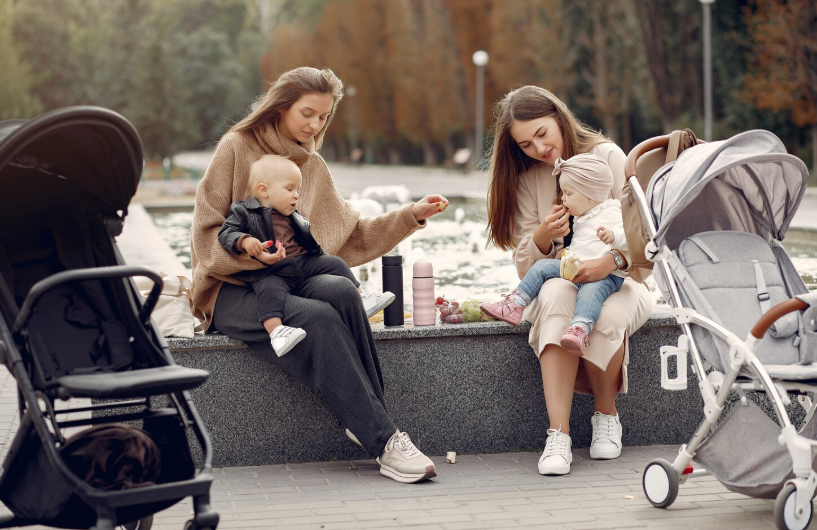
Traveling with a baby often changes quickly from one stage to the next. An infant who spends most trips in a car seat carrier soon becomes a toddler who wants more room, more movement, and different travel equipment. For growing families, the smartest approach is to choose gear that works for current needs while allowing room for future changes.
Travel planning should also account for how long babies remain in certain equipment. The American Academy of Pediatrics advises families taking longer road trips to stop every few hours so babies can come out of their car seats for feeding, diaper changes, and movement. Its guidance on traveling with babies in car seats also emphasizes proper installation and positioning.
Instead of buying every travel product available, focus on building a flexible setup around how your family actually moves.
Build Your Travel Setup Around the Car-to-Stroller Transition
When parents want to move a sleeping infant from the car without removing them from the seat, comparing the best stroller travel systems can help identify combinations designed to work together from the start.
Travel systems are especially useful during the infant stage because they connect two frequently used pieces of gear: the infant car seat and stroller.
However, compatibility should not be the only deciding factor. Think about how the stroller will function once the infant carrier is no longer part of your routine.
Ask whether:
The stroller seat works well for an older baby or toddler
The stroller can support a growing child comfortably
Storage remains accessible when the seat is reclined
The folded stroller fits your vehicle
Additional seating can be added later
Replacement accessories are readily available
For families planning for more than one child, these factors may matter more over time than a single convenience feature.
Think in Stages Instead of Buying for One Trip
Baby travel gear works best when parents think about the next several stages rather than one vacation.
During the newborn period, priorities may include an infant car seat, stroller compatibility, a diaper bag, and a carrier.
Several months later, the same family may need:
A larger stroller seat
More snack storage
A stronger sun canopy
A portable high chair
More luggage space
Toddler-friendly entertainment
A different car seat configuration
Choosing adaptable products can reduce the need to replace gear after only a short period.
That does not mean buying oversized products too early. Gear should still match your child’s current size and developmental needs.
Decide Whether You Need One Stroller or Two
Some families benefit from having one everyday stroller and a second lightweight travel stroller.
An everyday stroller may offer better suspension, more storage, and greater comfort during long walks. A travel stroller may be easier to carry through airports, load into small cars, or store in hotel rooms.
Before buying two, consider whether your main stroller already meets both needs.
Think about:
Folded dimensions
Vehicle trunk space
Stair access at home
Public transit use
Airline travel frequency
Walking distance during trips
For families who travel occasionally, one well-chosen stroller may be enough. Frequent flyers or families living in dense urban areas may appreciate a more compact second option.
Plan for Siblings Before You Need Extra Seating
Parents expecting another child may want to consider stroller flexibility before their family grows.
Some stroller systems support a second full seat, while others offer standing boards or toddler attachments. The best configuration depends on the age difference between children and how often both will need to ride.
For example, a three-year-old may prefer a ride-on board for shorter outings, while two children close in age may benefit from dedicated seats.
Before choosing an expandable stroller, check:
Weight limits for each position
Approved seat configurations
Storage access with two children
Folded size when accessories are attached
Ease of steering with added weight
Expandable systems can be helpful, but only if the eventual configuration still works for your vehicle and routine.
Make Airport Travel Part of the Buying Decision
Parents who expect to fly regularly should evaluate baby gear differently from families who primarily travel by car.
Large stroller frames and bulky accessories may be manageable at home but frustrating during security checks, boarding, transfers, and baggage collection.
The American Academy of Pediatrics notes that strollers can generally be taken through airport security and gate-checked. Its family travel safety guidance also advises families to arrange for an appropriate car seat at their destination or bring their own.
For frequent air travel, consider:
How quickly the stroller folds
Whether folding requires two hands
Overall weight
Whether accessories must be removed first
Whether the car seat is approved for aircraft use
How the stroller will be protected when checked
Checking airline policies before departure is also important because rules can differ between carriers.
Choose Storage Based on Real Outings
Stroller storage can make a major difference once babies become toddlers.
Infant outings may involve bottles, diapers, wipes, blankets, and spare clothes. Toddler outings often add snacks, water bottles, toys, jackets, and shoes.
Look beyond the advertised basket size. Check whether you can actually reach the basket when the stroller seat is reclined or when a second seat is installed.
Useful storage features may include:
Large lower baskets
Parent organizers
Cup holders
Small zippered compartments
Accessible side pockets
Avoid hanging heavy bags from stroller handles unless the manufacturer specifically allows it, as excess weight may affect stability.
Bring a Carrier Even When You Have a Stroller
A baby carrier and stroller serve different purposes.
A carrier can be useful in places where stroller access is limited, including stairs, crowded attractions, narrow shops, public transportation, and older buildings.
It can also provide a backup when a child becomes restless in the stroller.
For travel, look for carriers that pack easily and adjust between caregivers. Pay attention to manufacturer requirements for infant positioning, weight, and age.
Families do not necessarily need the most complicated carrier available. Comfort, secure positioning, and ease of adjustment are more important.
Keep Feeding Equipment Small and Flexible
Travel feeding gear can quickly occupy more space than necessary.
Instead of packing a full kitchen setup, focus on products that serve multiple meals and clean easily.
Depending on your child’s age, useful items may include:
Washable bibs
Spill-resistant cups
Compact utensils
Snack containers
Bottle supplies
Portable placemats
Insulated food containers
If traveling by car, keep frequently needed feeding items accessible rather than buried underneath luggage.
For flights, divide essential feeding supplies between bags when possible so a delayed or misplaced bag does not leave you without important items.
Pack for Delays, Not Just the Planned Schedule
Trips with young children rarely run exactly on schedule.
Traffic, flight delays, long security lines, weather, and unexpected stops can extend travel time considerably.
Keep an additional supply of:
Diapers
Wipes
Formula or milk supplies
Snacks
Clothing
Medications
Pacifiers
Comfort items
A small reserve is usually more useful than packing large quantities of rarely used gear.
For road trips, keep these essentials inside the passenger area rather than beneath everything in the trunk.
Pay Attention to Gear Weight as Your Child Grows
A stroller or car seat that feels manageable with a newborn may feel very different once the child weighs considerably more.
Product weight should therefore be considered together with child weight.
If you regularly lift a stroller into a high vehicle cargo area or carry it upstairs, an extra few pounds can become noticeable over time.
Before buying, practice:
Folding the stroller
Lifting it
Carrying it several steps
Opening it again
Loading common accessories
Testing these steps can reveal whether the product fits your daily routine better than specifications alone.
Know When to Retire or Pass Down Baby Gear
Growing families often reuse products between siblings, but not every item should automatically be passed down.
Before reusing a car seat, stroller, carrier, or travel accessory, check:
Manufacturer expiration information
Recall status
Damage or missing parts
Current instructions
Weight and height limits
Whether the product has been altered
For car seats in particular, families should know the product’s history before reuse.
Keep manuals, receipts, model information, and registration details together so they remain available when younger siblings eventually use the equipment.
Build a Travel Setup That Can Grow With Your Family
The best baby travel gear is not necessarily the largest collection of products. It is a coordinated setup that fits your vehicle, travel habits, storage space, and changing family needs.
Start with the pieces you use most often, such as a suitable car seat and stroller. Then add carriers, feeding accessories, storage, and other equipment based on how your family actually travels.
Choosing gear with future stages in mind can make family outings easier today while reducing the need to replace major items every time your child reaches a new stage.
Frequently Asked Questions
Are stroller travel systems worth it for growing families?
They can be, particularly during the infant stage when moving between the car and stroller is frequent. Families should also consider how useful the stroller will remain after the infant car seat is outgrown.
Should I buy an expandable stroller before having a second child?
It can make sense if another child is planned relatively soon and the stroller configuration fits your vehicle and routine. However, avoid paying for expansion features you are unlikely to use.
What baby gear is most useful for frequent flyers?
A lightweight stroller, appropriate car seat, compact carrier, accessible diaper kit, and small feeding setup are often the most useful. Folded dimensions and gear weight become especially important during airport transfers.
Is a full-size stroller suitable for travel?
Yes, if your destination and transportation allow it. Full-size strollers can provide better storage and comfort, but compact models are often easier to manage through airports, public transportation, and smaller rental vehicles.
How should parents choose baby gear that lasts longer?
Look at manufacturer height and weight limits, adjustable components, stroller expansion options, durability, replacement parts, and how the product will work as the child moves into the next developmental stage.
