
Morning Hair Battles With the Kids? Here’s How to Make Them Easier
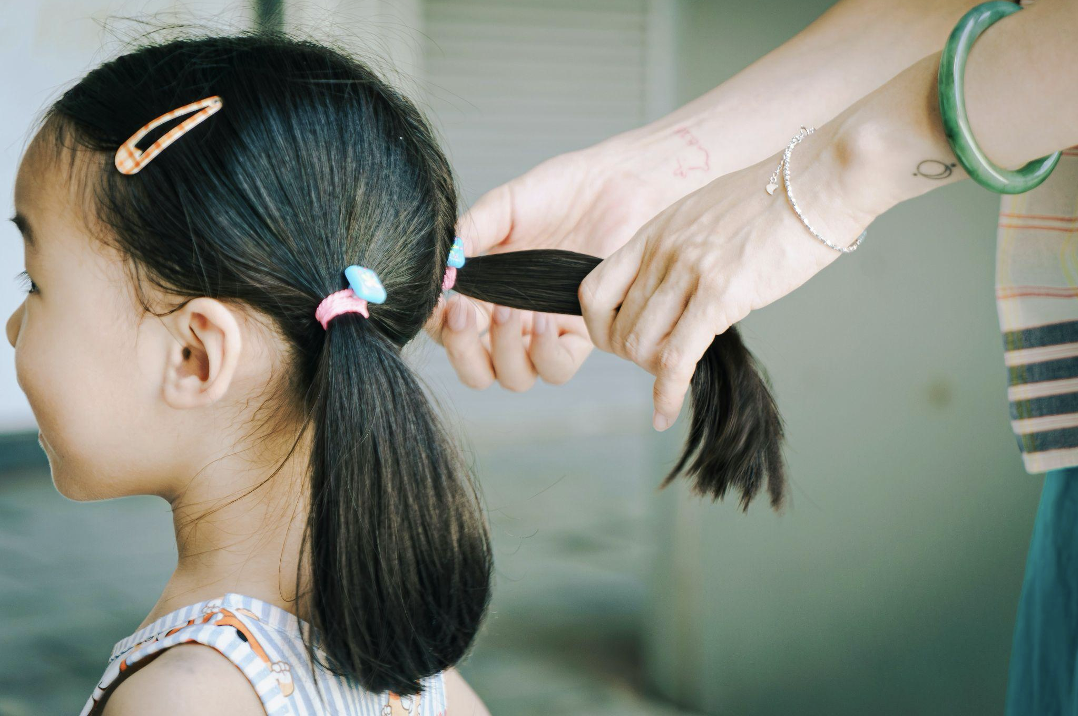
Getting everyone ready in the morning is difficult enough without turning hair into a daily argument. Knots, sensitive scalps, rushed brushing, missing hair ties, and last-minute hairstyle requests can easily add another fifteen stressful minutes before school.
The solution is usually not a more complicated routine. A little preparation the night before, gentler detangling, and a few reliable hairstyles can make mornings much calmer for both parents and kids.
Do Most of the Detangling the Night Before
Trying to tackle a head full of knots when everyone needs to leave in ten minutes is almost guaranteed to create frustration. Use the evening to gently work through tangles when there is less pressure and more time to be careful.
Hair type matters when deciding what helps with manageability. Parents exploring different oils and smoothing options can use https://www.rennorabeauty.com/ as a starting point for understanding how different hair-care choices may work within a routine. Whatever you use, start with a small amount and focus on what leaves the child's hair easier to manage without making it unnecessarily heavy.
Detangle from the ends upward rather than pulling a brush straight through from the roots. Holding the section above the knot can also reduce tugging on the scalp.
A few extra minutes at night can turn morning styling into a quick touch-up rather than a complete rescue operation.
Give Kids a Small Menu of Easy Hairstyles
Morning negotiations become much easier when the possibilities are already limited.
Choose three or four hairstyles that work well for school and can be completed quickly. Depending on the child's hair, that might include a ponytail, two braids, a bun, simple twists, or leaving the hair down with a headband or clips.
Letting children choose between a few realistic options gives them some control without opening the door to an elaborate hairstyle when you are already running late.
For younger children, pictures can help. Take photos of the hairstyles that work well and let them point to the one they want.
Save complicated styles for mornings when you genuinely have time. A school-day hairstyle needs to survive the day and feel comfortable more than it needs to look elaborate.
Keep Everything You Need in One Place
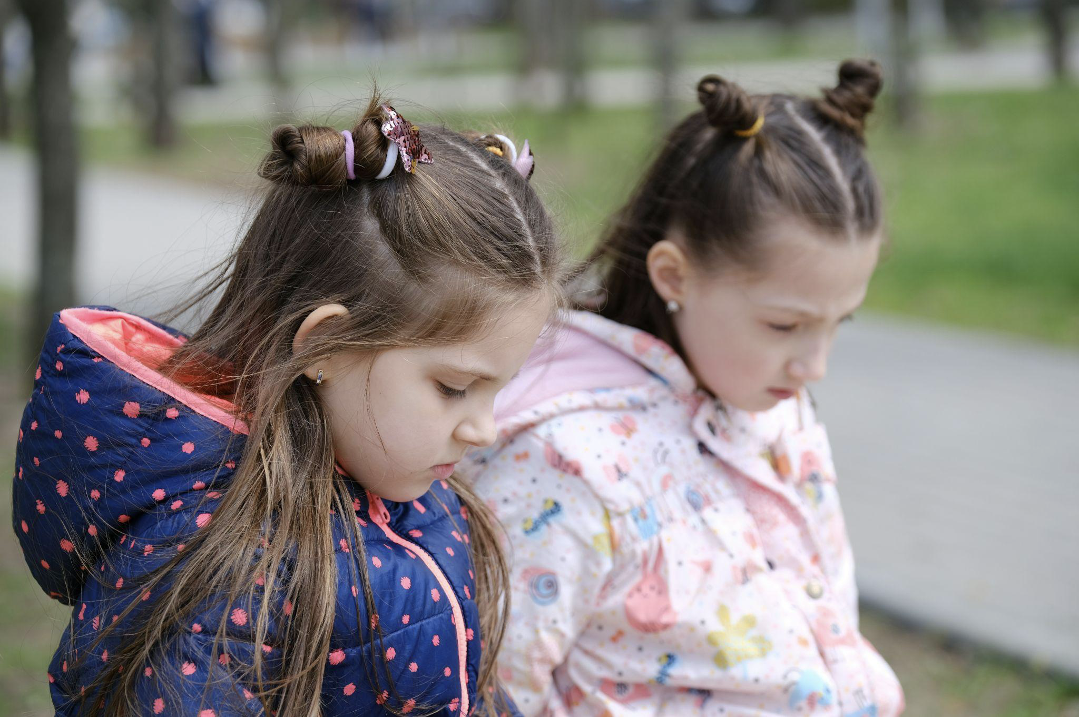
Half the battle can be finding the brush, spray bottle, clips, or matching hair ties.
Create one small hair station with the tools you use most often. Keep brushes, combs, bands, clips, and everyday products together so nobody has to search through bedrooms and bathroom drawers.
Replace broken bands and empty products before they become an emergency. It can also help to keep a small backup set somewhere convenient, particularly if hair accessories have a habit of disappearing.
For families with several children, separate containers can prevent arguments over favorite clips or accessories.
The fewer decisions and searches required in the morning, the faster the entire routine becomes.
Protect Hair Overnight When Mornings Are Especially Difficult
If your child wakes up with hair considerably more tangled than it was at bedtime, the nighttime routine may be creating extra morning work.
Loose braids, twists, or another comfortable protective style can help keep longer or textured hair more manageable overnight. The right approach will depend on hair type, length, and what the child can comfortably sleep in.
Make sure nighttime styles are not painfully tight. The purpose is to reduce tangling and friction, not create tension around the scalp or hairline.
A smooth pillowcase may also help some hair types stay more manageable through the night.
The difference does not need to be dramatic. If the morning routine takes five minutes instead of fifteen because the hair is already reasonably organized, that is a meaningful improvement during a busy school week.
Teach Them Part of the Routine as They Get Older
Parents often continue doing every part of a child's hair routine because it is faster in the moment. Eventually, though, teaching a few basic skills can make mornings easier for everyone.
Start with simple responsibilities. A child might brush the ends while you handle difficult sections, gather the accessories they want, or learn how to make a basic ponytail.
Older children can gradually take over more of the process.
There will probably be some imperfect hairstyles while they learn, and that is fine. Becoming comfortable caring for their own hair is more useful in the long run than having every strand perfectly positioned before school.
It can also reduce conflict because children gain more control over how their hair looks and feels.
Have a Five-Minute Backup Plan
Some mornings will go wrong regardless of how well you prepare.
Someone sleeps late, a braid falls apart, the favorite clip disappears, or a hairstyle simply refuses to cooperate. That is when a reliable backup style becomes invaluable.
Know what you can do in five minutes without thinking about it. Keep the necessary accessories ready and resist the temptation to keep fixing small imperfections when it is already time to leave.
Hair does not have to be perfect to get through a school day.
A calmer morning is usually worth far more than spending another ten minutes trying to make a hairstyle look exactly as you imagined it.
The easiest routines are built around preparation rather than speed. Detangle before bed, keep supplies together, offer a few simple hairstyle choices, and gradually teach children to handle parts of the process themselves.
Morning hair may never become everyone's favorite activity, but it does not have to start the day with an argument either.
