
Have Old Family Films You Can’t Watch Anymore? Here’s How to Give Them New Life
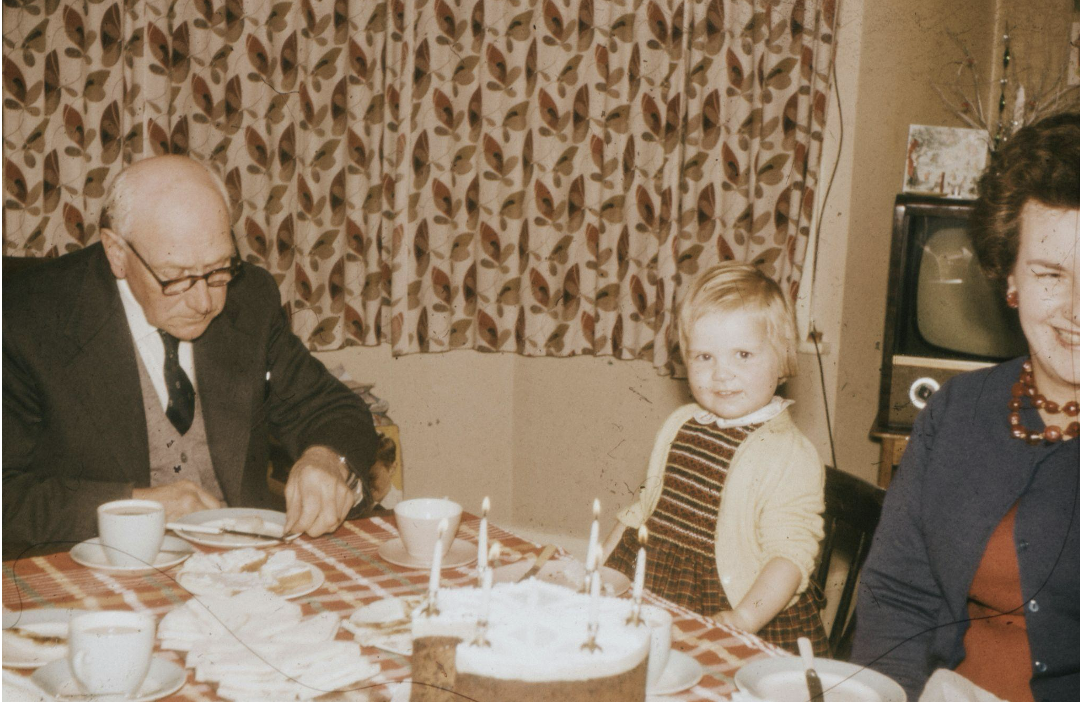
Old family films have a strange way of becoming more valuable once they are difficult to watch. A reel that once seemed ordinary can turn into the only moving record of a grandparent, a childhood home, a family holiday, or a wedding that happened decades ago.
The problem is that many families still have film stored in boxes without a projector that works, without anyone who remembers how to use it, or without confidence that the reels are still in good condition. Leaving everything untouched may feel safer, but it can also mean those memories remain invisible for another generation.
Giving old films new life starts with figuring out what you have, handling it carefully, and making the footage easier to watch and share.
Start by Identifying What Is Actually in the Box
Old film collections often arrive without much explanation. You may find metal cans, cardboard boxes, handwritten labels, or completely unmarked reels that have not been opened for years.
Begin by separating the material and looking for dates, names, locations, or event descriptions. If the family has a larger collection, make a basic inventory before deciding what to do next. You do not need perfect information at this stage. Even notes such as “summer vacation, probably 1970s” are better than nothing.
If the footage is on 8mm film and you no longer have practical equipment to view it, professional 8mm film to digital conversion can make those recordings accessible again without requiring you to hunt down an old projector or experiment with fragile film yourself.
Once the footage is digital, the project becomes much easier because you can finally see what the reels actually contain.
Don’t Assume an Old Projector Is the Best First Move
Finding a vintage projector online can seem like the obvious solution. In some cases, it may work perfectly well, especially if you already understand the equipment and know the film is in good condition.
But running an unknown reel through an unfamiliar projector can also create unnecessary risk. Old film may have become brittle, warped, dirty, or damaged around the sprocket holes. A projector that has been sitting unused for decades may also have mechanical problems of its own.
If a reel appears especially important, resist the urge to test it simply because you are curious about what is on it.
Start with visual inspection. Look for obvious damage, unusual smells, tightly curled film, broken sections, or deterioration of the reel itself. If anything looks questionable, careful professional handling may make more sense than trial and error.
Your goal is not merely to watch the film once. It is to preserve the footage so it can continue to be watched in the future.
Add Names and Stories While People Still Remember Them
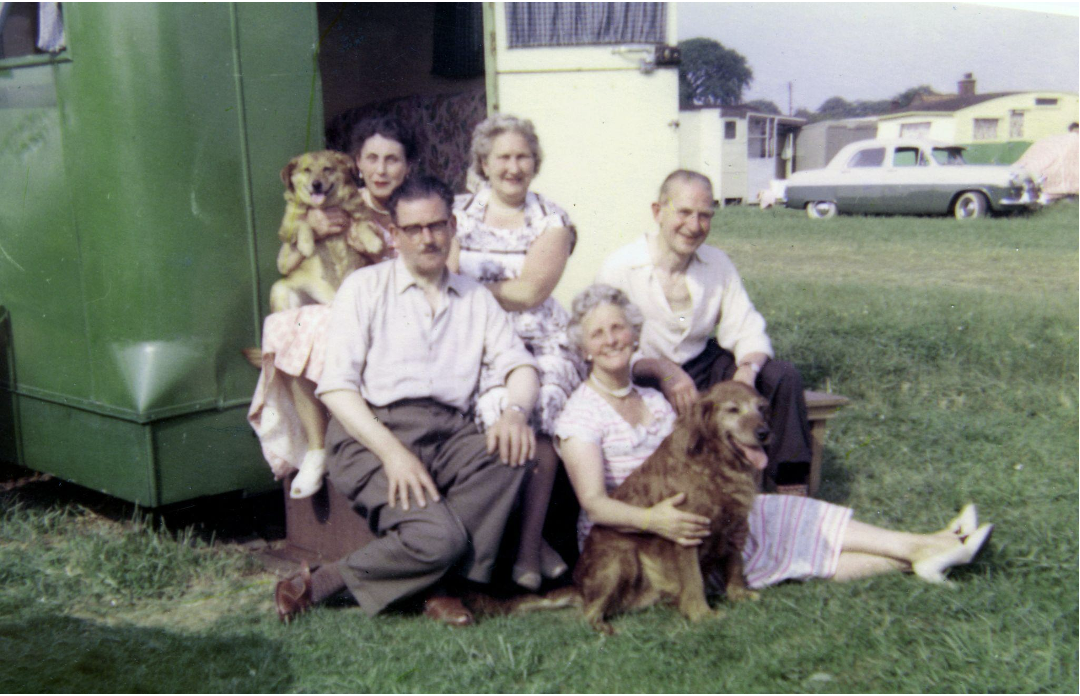
Digitizing a reel brings back the pictures, but it does not automatically bring back the context.
Someone watching a family film fifty years later may see a group of people standing outside a house without knowing who they are, where the house was, or why the day mattered.
That is why older relatives can be just as important to the preservation process as the film itself.
Once footage is viewable, sit down with parents, grandparents, aunts, uncles, or anyone else who might recognize the people and places. Pause when necessary and write down names, locations, approximate dates, and stories that emerge.
You might discover that what looks like an ordinary backyard gathering was actually a first birthday, retirement party, or the last event held at a family home before it was sold.
These details can be stored in the file names, a separate document, or notes organized alongside the videos.
The footage preserves what people looked like. The stories preserve why those moments mattered.
Organize Digital Files Before They Become Another Mess
Converting old film is a major step, but receiving a folder full of digital files is not the end of the job.
If every file is called something like Reel_01, Reel_02, and Reel_03, you may eventually forget what each one contains.
Rename files while the details are fresh. A simple system such as “1968_Family_Holiday” or “1974_Grandparents_Anniversary” can make the collection much easier to navigate later.
Folders can be arranged by year, branch of the family, or event type. Keep the system simple enough that other relatives can understand it without needing an explanation.
You may also want to make shorter copies of especially meaningful scenes. A twenty-minute reel could contain only thirty seconds that everyone in the family wants to watch repeatedly. Creating an easily shareable clip can help those moments get seen instead of remaining buried inside a longer file.
Organization matters because preservation only works properly when people can actually find what was preserved.
Keep More Than One Copy
A digital file feels permanent because it does not fade in the same way physical film can. Unfortunately, digital storage can fail in different ways.
A laptop can break. An external drive can stop working. Someone can accidentally delete a folder. A cloud account can be forgotten years later.
Important family videos should therefore exist in more than one place.
Keep a primary collection on a computer or external drive and another backup somewhere separate. Cloud storage can provide an additional layer of protection, particularly if family members live in different places.
Do not immediately throw away the original film either. Digital copies make the footage far easier to use, but the original reel still has value and may be worth keeping under suitable storage conditions.
Label both the physical reels and the digital files so that the connection between them remains clear.
A little organization now can prevent someone from discovering an unidentified box all over again twenty years from today.
Turn Preservation Into Something the Family Can Enjoy
Family films were made to be watched, not simply stored.
Once the footage is accessible again, think about ways to bring it back into family life. Show clips at an anniversary celebration, create a compilation for a birthday, send a childhood scene to siblings, or watch several reels together during a family gathering.
You can also combine old footage with newer recordings to show how families and places changed over time. A video of grandparents as young adults can suddenly feel much more powerful when their grandchildren see it beside modern family footage.
Do not worry if the old films are shaky, silent, imperfectly exposed, or full of ordinary moments. Those imperfections are often part of what makes them feel real.
A few seconds of someone walking through an old kitchen, laughing beside a car, or waving at the camera may eventually matter far more than the person filming could ever have imagined.
Old family films do not have to remain trapped on reels nobody can watch. Identify what you have, handle it carefully, convert important footage into an accessible format, add the stories people still remember, and keep multiple copies.
The result is more than a cleaner archive. It is a part of family history that can finally be watched again instead of slowly disappearing inside a box.
