
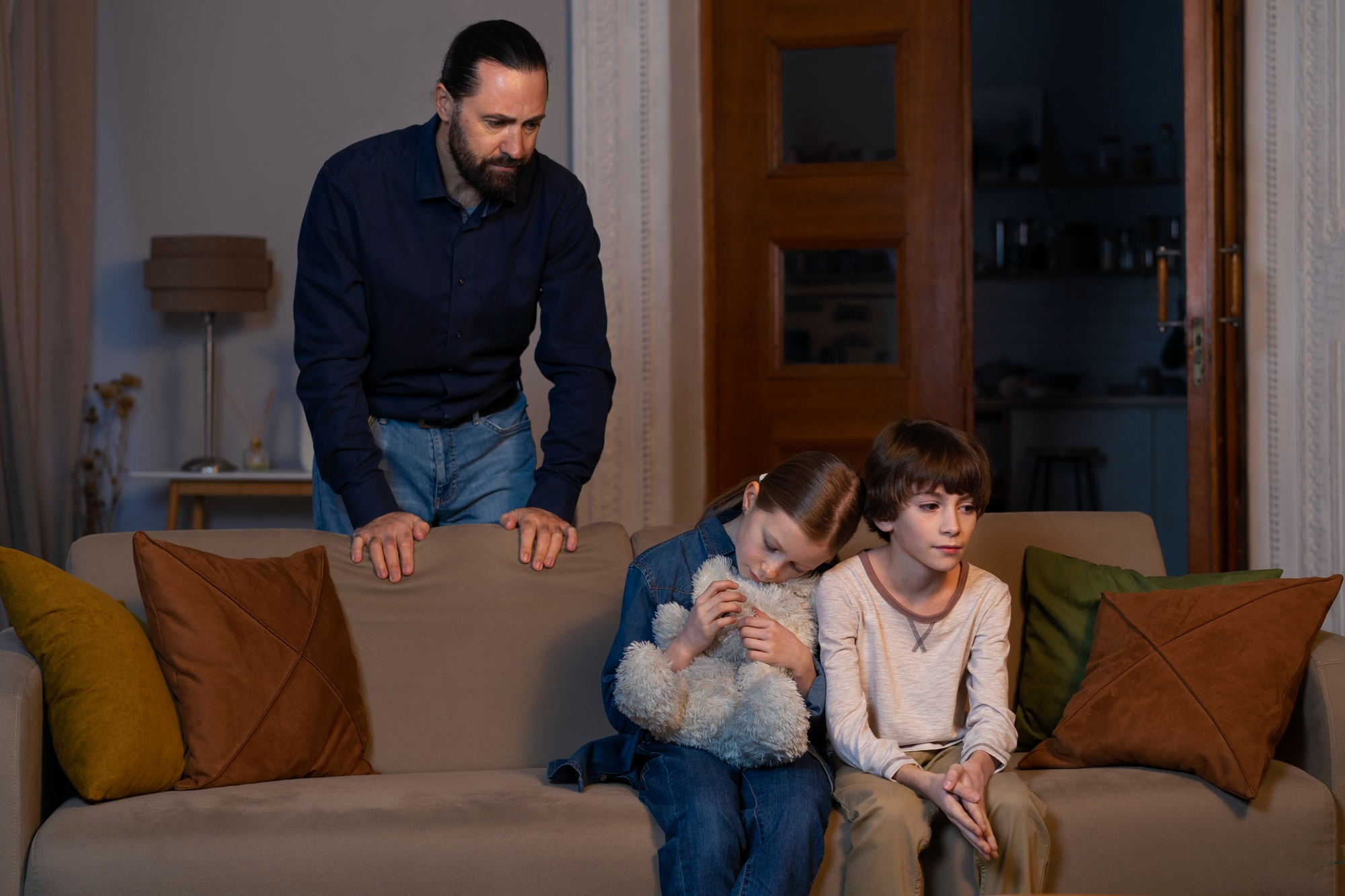
Divorce can bring many changes to a child's life. Moving between two homes, adjusting to new routines, and spending time with parents separately can be difficult. Children may experience sadness, anger, confusion, or anxiety during this period. Some may also face changes in their behavior, friendships, or school performance.
Atlanta, the capital of Georgia, is known for its rich history, diverse communities, and vibrant culture. Like families in other cities, parents in Atlanta may face the challenges of raising children while going through a divorce. Particularly fathers navigating this transition may seek guidance from divorce attorneys in Atlanta to understand their legal options and responsibilities.
For fathers, understanding how divorce affects children is an important first step towards supporting them. By staying involved, maintaining familiar routines, and providing emotional support, fathers can help their children feel secure and adjust to the changes in family life.
How Does Divorce Affect Children?
Children respond to divorce differently depending on their age, personality, and family circumstances. Some common effects include:
Emotional Stress and Anxiety
Children may feel sad, angry, confused, or worried about losing contact with one parent. Younger children may blame themselves for the separation, while teenagers may withdraw or become more distant.
Changes in Behavior
A child who was previously calm may become irritable, aggressive, or unusually quiet. Younger children might experience sleep problems or return to behaviors they had outgrown.
Academic and Social Difficulties
Family changes can make it harder for children to concentrate at school. They may also withdraw from friends or lose interest in activities they previously enjoyed.
A 2025 study involving 926 separating or divorcing couples examined how co-parenting relationships were connected to children's emotional and behavioral difficulties. Its findings highlight why cooperation between parents matters during and after separation.
What Can Fathers Do to Help Their Children During Divorce?
Fathers can play an important role in helping children feel secure throughout the transition. The following steps can make a meaningful difference.
Maintain Regular Contact
Stay involved in your child's everyday life, even if you no longer live in the same home. Regular phone calls, school visits, weekend activities, and shared routines help children feel that their relationship with their father remains important.
Avoid Arguments in Front of Children
Keep disagreements about finances, custody, and personal matters away from children. Never ask them to carry messages, take sides, or choose between parents.
Reassure Them That the Divorce Is Not Their Fault
Children sometimes believe they caused their parents' separation. Explain that the decision is between adults and that both parents will continue to love and care for them.
Keep Daily Routines Consistent
Try to maintain familiar schedules for meals, homework, bedtime, and extracurricular activities. If children move between two homes, consistent expectations can make the transition easier.
Listen Without Judging
Give children opportunities to express their feelings. Let them ask questions without feeling embarrassed or pressured. Sometimes listening patiently is more helpful than immediately trying to solve every problem.
How Can Fathers Maintain a Strong Relationship With Their Children After Divorce?
Maintaining a meaningful relationship requires more than following a visitation schedule. Fathers should make an effort to participate in everyday parenting responsibilities, including attending parent-teacher meetings, keeping track of school activities, and being available when children need support.
For example, under Georgia Code § 19-9-3, courts must consider the best interests of the child when making custody decisions. One factor is whether each parent is willing to support the child's relationship with the other parent. This makes it important for fathers to encourage healthy communication and avoid involving children in parental disagreements.
Also, the law requires parenting plans in custody cases. These plans outline important details such as parenting time, holiday schedules, transportation, and decision-making responsibilities. Having a clear arrangement can help children maintain a predictable routine and understand what to expect after divorce.
Frequently Asked Questions
Do children usually recover emotionally after divorce?
Many children gradually adjust, particularly when parents provide stability, emotional support, and a low-conflict environment. However, some may need support from a child counsellor or therapist.
Should fathers maintain contact with children after divorce?
Yes, when the relationship is safe and appropriate. Consistent, positive involvement helps children maintain a meaningful relationship with their fathers.
How can fathers make transitions between two homes easier?
Fathers can maintain familiar routines, communicate calmly with the other parent, and make sure children have what they need in both homes. Avoiding negative comments about the other parent can also make transitions less stressful.
